
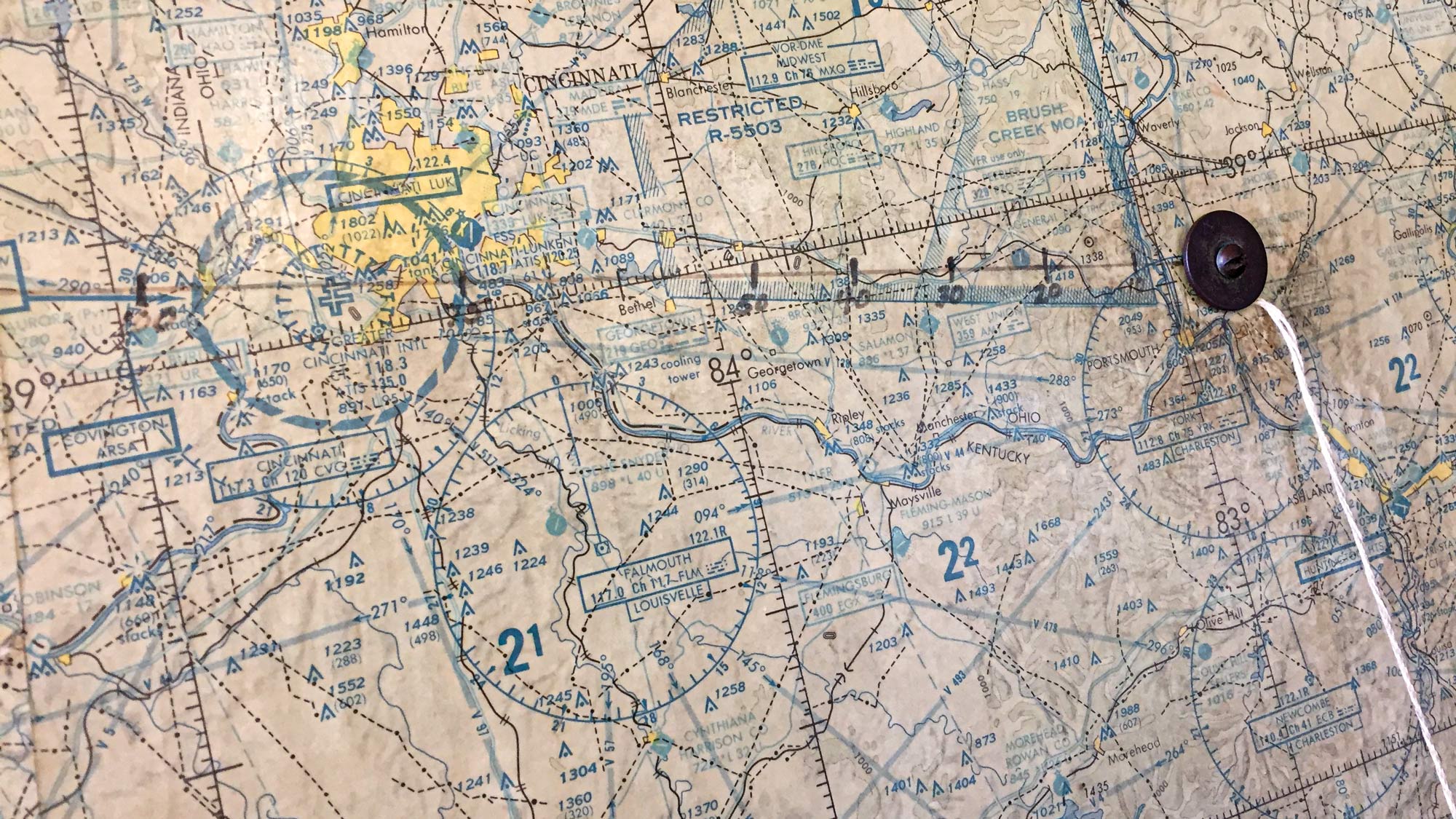
This feels a little bit too much like going to confession, but I’m going to come clean and admit I’m a paper-chart girl. Always have been, always will be. One of those rare, soon-to-be-extinct dinosaurs who still subscribes to printed charts. But before your jaw drops any farther, it might help to know I’m not exactly a purist. I love those Garmin boxes in my Cessna 180—a WAAS-enabled, IFR panel-mount GPS and a 696 portable with SiriusXM weather. And then there’s the ForeFlight app on my iPad and iPhone. But in spite of all this electronic wizardry, I wouldn’t dream of slipping the surly bonds without IFR en route charts, bound paper approach plates and those beloved sectional charts in my airplane. And, yes, I use them flying VFR or IFR or both…well, maybe not the en route charts much anymore.
A Love Affair with Paper Charts

Key Takeaways:
- The author, a seasoned pilot, expresses a strong preference for traditional paper charts despite utilizing modern electronic navigation tools, citing their reliability and ease of use in flight.
- She finds electronic flight apps challenging to operate effectively and safely in her older cockpit, particularly for single-pilot IFR, due to interface complexity, physical dexterity issues, and lack of a stable mounting platform.
- The article advocates for "back to basics" navigation, highlighting the satisfaction and practical value of using paper charts for pilotage and dead reckoning as a reliable Plan B and a reminder of fundamental piloting skills.
- Paper charts are presented as a foundational and essential tool, providing a tangible connection to the earth and serving as a crucial backup, reinforced by anecdotes and literary quotes about their enduring importance.
Key takeaways sponsored by Aviator Pro | Start Your Training ->
See a mistake? Contact us.