











Register

How to Prepare for Your First Airline Training Program

One major milestone of an aviation career is passing your first Part 121 training program.

Almost all airline training programs today require a certain amount of self-study beforehand, usually including a mandatory computer-based training (CBT) course. [Credit: Shutterstock]
Gemini Sparkle

Key Takeaways:

  • Prioritize early and focused preparation by building a buffer of time before training to clear your mind, complete mandatory self-study, and acquire all necessary learning materials, including "the gouge" (unofficial but valuable knowledge and resources).
  • Adopt a systematic study strategy by first mastering flow patterns, limitations, and memory items, then moving to Flight Operations Manual (FOM) details, and finally aircraft systems, utilizing a combination of official manuals, CBT, and supplementary guides with flashcards.
  • Create a dedicated "training bubble" by minimizing external distractions, such as utilizing training accommodations and temporarily detaching from home life, to fully concentrate on studying, rest, and preparation during the intensive training period.
See a mistake? Contact us.

One of the major milestones of an aviation career is passing your first Part 121 training program. Whether at a regional or national airline, cargo carrier, or major, it is likely to be unlike anything you’ve done before. 

For those from a civilian background, Part 121 training will be much more structured and proscribed than Part 61 or even Part 141 certification courses, while also being longer and more in-depth than previous aircraft checkouts. For military aviators, you’ll find airline training to be highly compressed compared to what you’re used to, with lower expectations regarding systems knowledge but a much faster pace of learning.
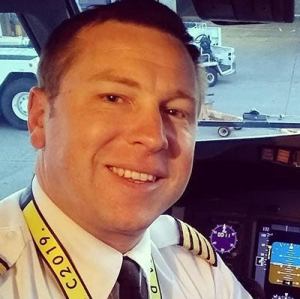

Sam Weigel

Sam Weigel has been an airplane nut since an early age, and when he's not flying the Boeing 737 for work, he enjoys going low and slow in vintage taildraggers. He and his wife live west of Seattle, where they are building an aviation homestead on a private 2,400-foot grass airstrip.

Ready to Sell Your Aircraft?

List your airplane on AircraftForSale.com and reach qualified buyers.

List Your Aircraft
AircraftForSale Logo | FLYING Logo
Pilot in aircraft
Sign-up for newsletters & special offers!

Get the latest stories & special offers delivered directly to your inbox.

SUBSCRIBE


