













Register

NTSB Reports

The pilot purchased the airplane the day prior to the accident. He departed the airport and performed maneuvers in the local area, then returned and completed four normal wheel landings. On the fifth landing, at about 30 mph, the tailwheel settled to the runway. When the tailwheel touched down, the pilot stated he felt a rumble "like a machine gun" and the airplane veered to the right. He applied left rudder, and the airplane subsequently veered left off the runway, the right main landing gear collapsed and the right wing spar sustained substantial damage when it impacted terrain. Examination revealed the tailwheel was cocked to the right, perpendicular to the fuselage.

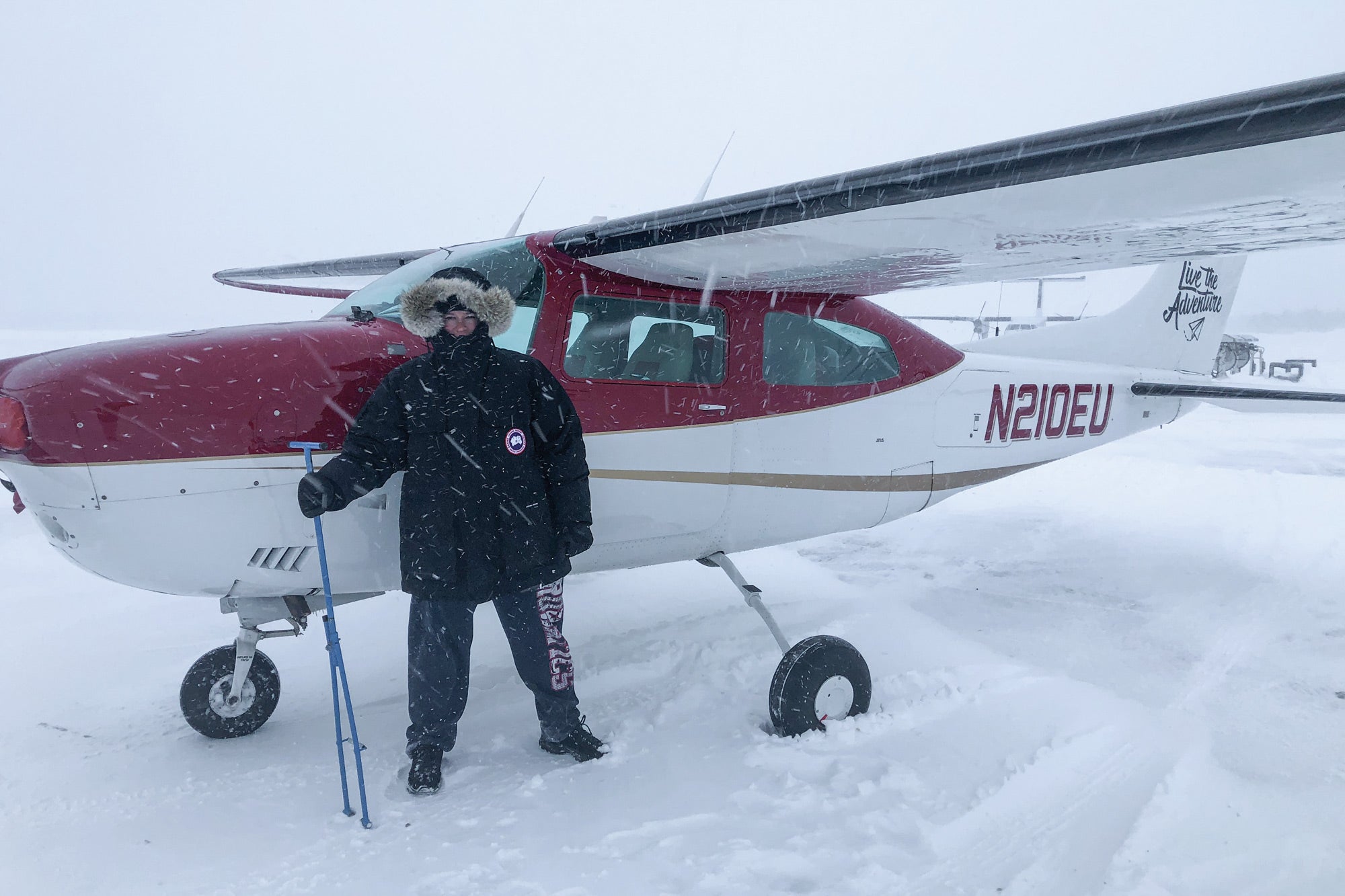
After landing just before a strong snowstorm in northern Quebec, we prepared the airplane to stay overnight in the snow. Sarah Rovner
Gemini Sparkle

Key Takeaways:

  • Engine power loss or malfunction was a common factor, leading to multiple forced landings due to issues like fuel system problems, sluggish engines, or mechanical failures.
  • A significant number of accidents occurred during critical phases of flight (takeoff, landing, or go-arounds), frequently involving landing gear malfunctions, loss of control (including stalls), or runway excursions.
  • Pilot factors, such as mismanaging emergency procedures, operating outside aircraft weight and balance limits, or errors during formation flight, also contributed to several incidents.
See a mistake? Contact us.

July 1, 2019, Fort Smith, Ark.

Beechcraft A23 Musketeer

Ready to Sell Your Aircraft?

List your airplane on AircraftForSale.com and reach qualified buyers.

List Your Aircraft
AircraftForSale Logo | FLYING Logo
Pilot in aircraft
Sign-up for newsletters & special offers!

Get the latest stories & special offers delivered directly to your inbox.

SUBSCRIBE

