











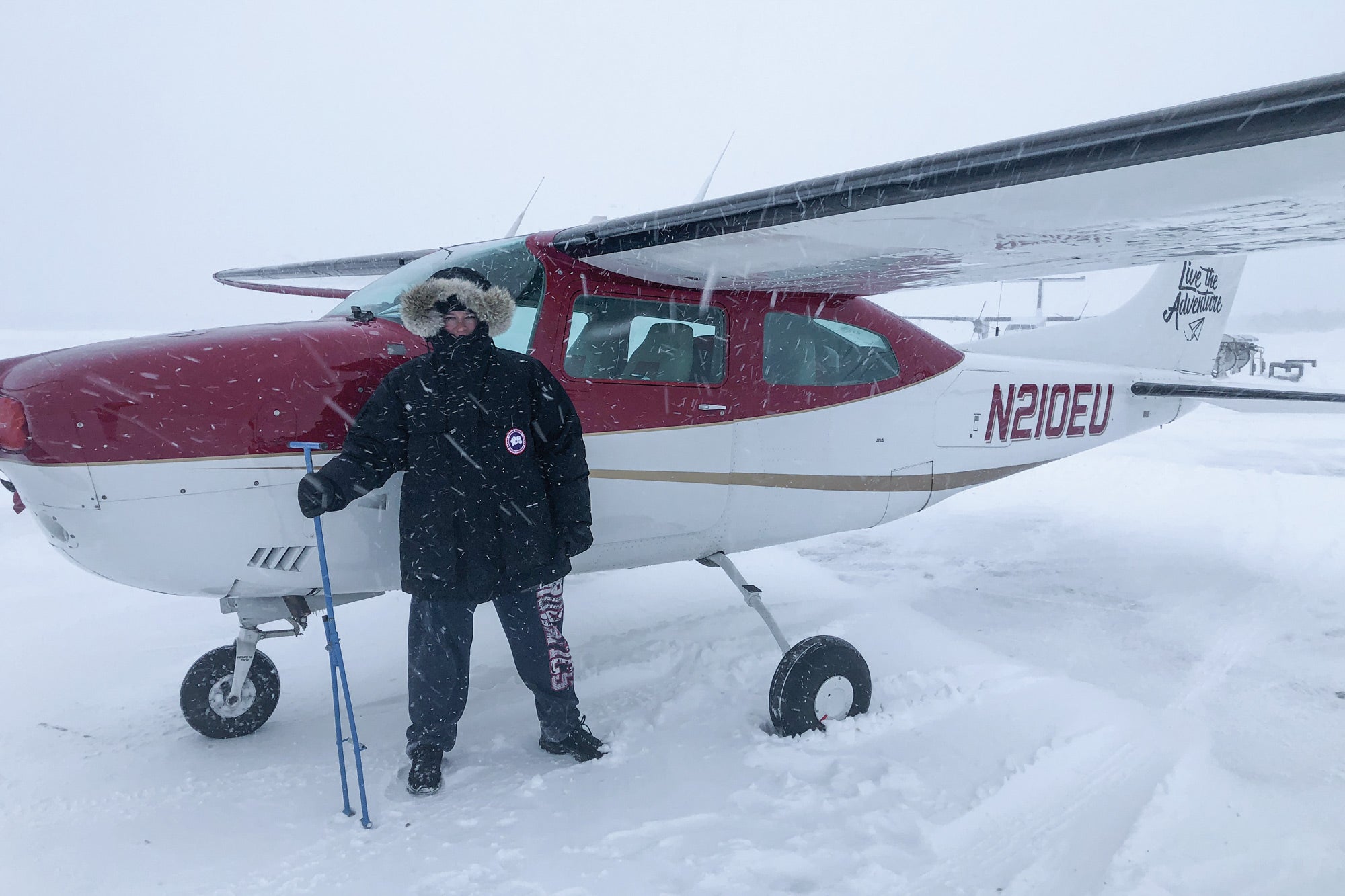
It was a cold February morning on the way to Europe in a single-engine Cessna 210. I was enjoying the performance and steady rumble of the big-bore Continental IO-55O engine. I had my little red booklet on the dash where I continually scribbled down speeds, fuel burn and temperatures as part of my performance log. I needed to know the airplane’s exact performance prior to the long overwater legs ahead. The back seats were filled with survival suits, rafts, and even a hand-crank fuel pump for fueling the airplane in Northern Canada. I was northbound to Milwaukee—one of my favorite overnight stops before launching into Canada.
Embracing the Cold Weather

Key Takeaways:
- Successful winter flying, particularly in demanding conditions like ferry flights, relies heavily on meticulous planning, a deep understanding of winter weather systems (especially icing conditions and their temperature dependencies), and precise adherence to aircraft capabilities and limitations.
- Pilots must be prepared for specific winter operational challenges, including the risks of structural icing (even in certified aircraft with older systems, like the ice bridging phenomenon), proper engine preheating in cold temperatures, and the use of appropriate engine oil and winterization kits.
- Despite thorough planning, unexpected icing can occur, underscoring the critical need for an "icing exit strategy" (e.g., altitude or path changes, diversions) and maintaining proficiency in emergency procedures to mitigate risks.
Key takeaways sponsored by Aviator Pro | Start Your Training ->
See a mistake? Contact us.

