
Familiarity in flying has several components. There is the foundational element of general familiarity with airplanes and how to fly them. There is familiarity with systems; this may be of a general kind (knowing how to lean the mixture or adjust a constant-speed propeller, for instance) or specific to a particular airplane or type (such as knowing to use the left main tank of an old Beech Bonanza for takeoff when both mains are full because all return fuel from the injection pump goes to the left tank).
A Pilot Gets Caught Between Procedure and Instinct
Mistakes breed in the shadowy land between the systematic and the instinctive.
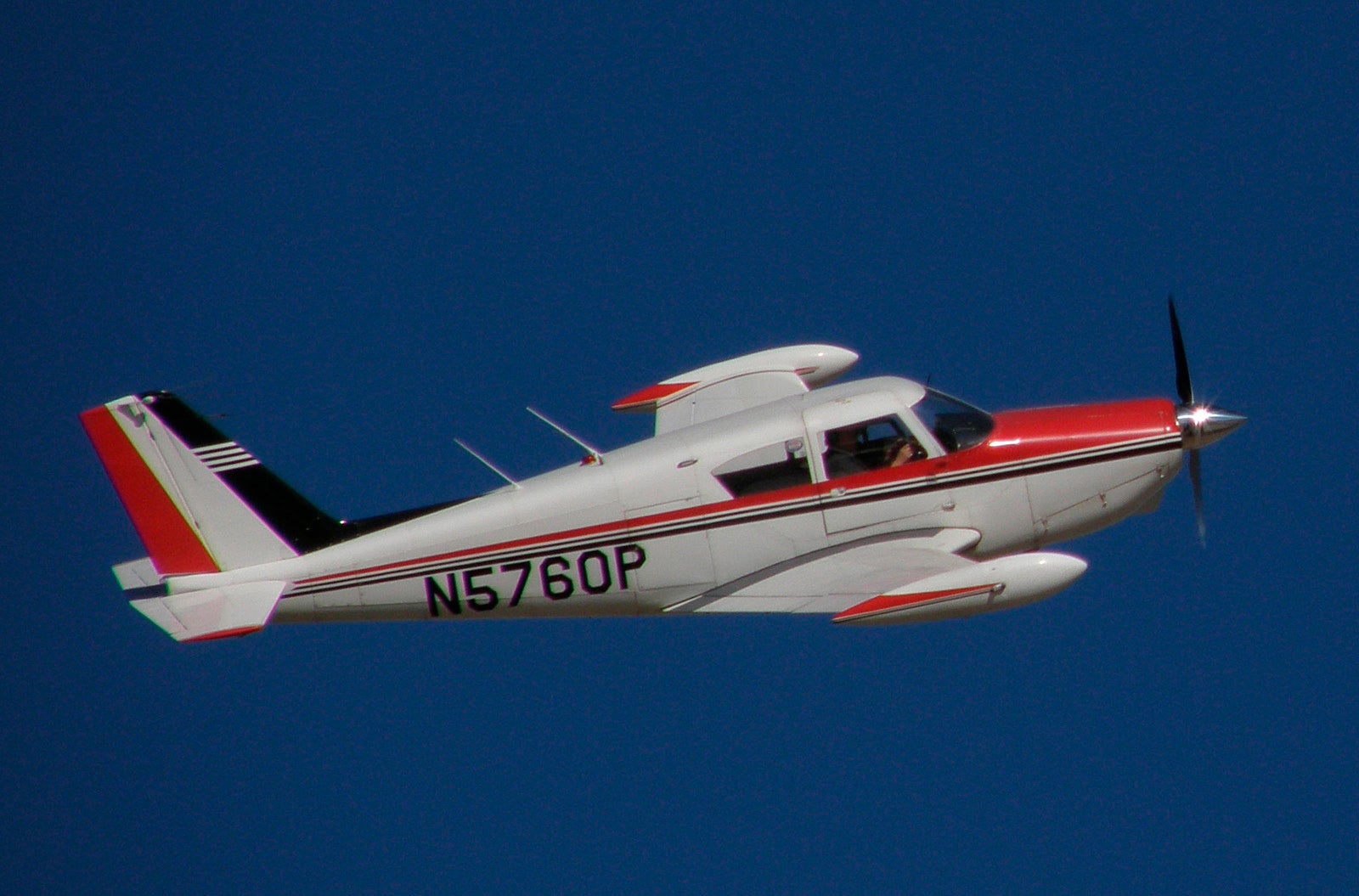

Key Takeaways:
- Insufficient familiarity with an aircraft's specific systems, handling characteristics, and unique quirks is a significant factor in aviation accidents.
- Pilots often make critical errors by unconsciously applying habits learned from other aircraft, or by mismanaging complex controls (like unusual pitch trim) and multi-tank fuel systems.
- To prevent "unconscious errors" that arise from unfamiliarity, pilots must rely on conscious procedures, methodical checklist use, and deliberate attention to override instinct.
Key takeaways sponsored by Aviator Pro | Start Your Training ->
See a mistake? Contact us.