













Register

First Flights

From the Wright Flyer to the DC-3—to the first flights in new airplanes today, how we learn makes a difference.

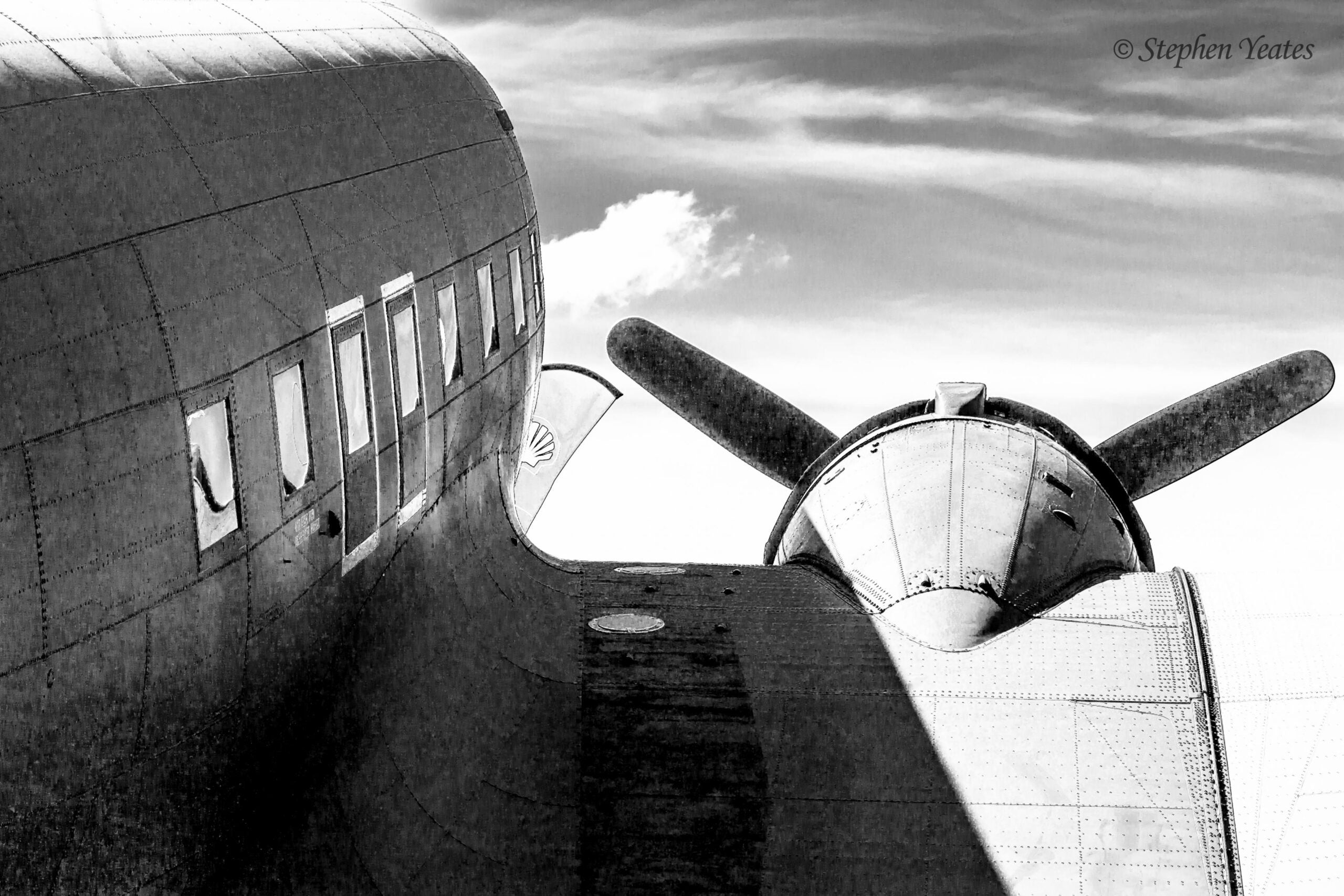
The first flight of the Douglas DC-3 also took place on December 17, in 1935. [Credit: Stephen Yeates Photography]
Gemini Sparkle

Key Takeaways:

  • Early aviation pioneers like the Wright Brothers and Clyde Cessna learned to fly through risky trial-and-error and frequent crashes, relying on soft landing sites for creative experimentation.
  • By the mid-20th century, aircraft development, exemplified by the Douglas DC-3, evolved into more methodical and structured flight test programs, supported by advanced engineering and incremental testing.
  • Modern "first flights" for pilots are significantly safer and more structured, benefiting from expert instruction and cumulative knowledge gained from generations of experimental flight testing.
See a mistake? Contact us.

When you know you’re going to mangle an airplane over and over in your attempt to fly it, you choose soft sand—or forgiving prairie grass.

This was certainly true of the Wright Brothers in 1903 as they approached the aerial tests that would either prove their theories of controlled flight—or send them crashing again and again into the sand, scattering the pieces of their now-famous fabric-and-wood biplane across the dunes.


Ready to Sell Your Aircraft?

List your airplane on AircraftForSale.com and reach qualified buyers.

List Your Aircraft
AircraftForSale Logo | FLYING Logo
Pilot in aircraft
Sign-up for newsletters & special offers!

Get the latest stories & special offers delivered directly to your inbox.

SUBSCRIBE