











Every year for the past decade, I have attended EAA AirVenture in Oshkosh, Wisconsin. Flying my 1965 Mooney from California to the big event has been the norm, with most of those years flown VFR, which added a layer of stress to the planning and execution of those flights.
What Your Designated Pilot Examiner Wants You to Know
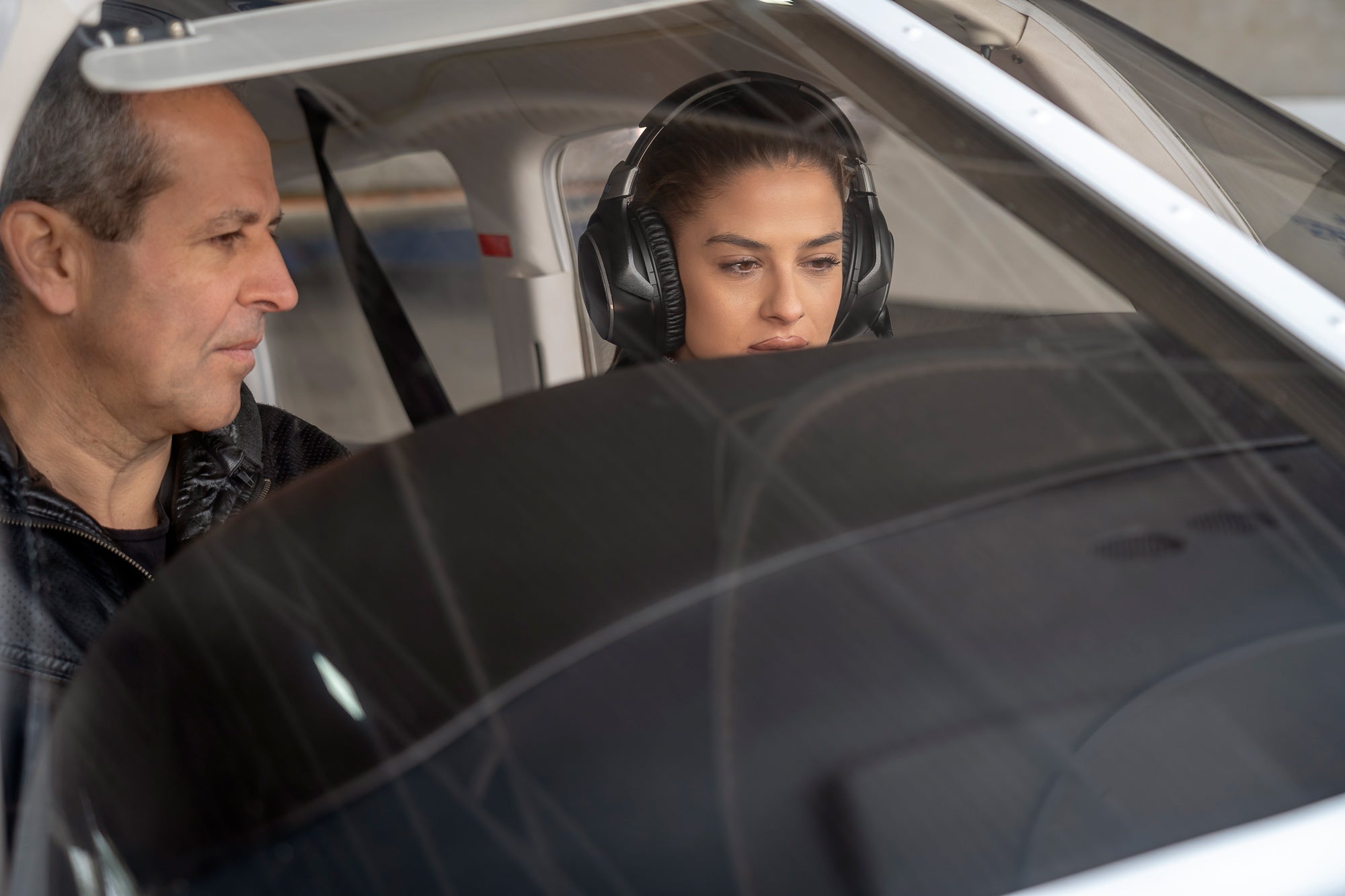

Key Takeaways:
- Applicants must meticulously prepare for check rides by ensuring accurate paperwork, studying the Airman Certification Standards (ACS) as their "bible," verifying aircraft airworthiness, and deeply understanding the Pilot's Operating Handbook (POH) and aircraft systems.
- Examiners stress that pilots often struggle with aeronautical decision-making, risk assessment, and translating theoretical knowledge into practical, real-world emergency responses rather than just rote memorization.
- After the check ride, new pilots are advised to embrace continuous learning, exercise conservative judgment, and understand that their rating is the start of a lifelong educational journey with significant risk factors.
Key takeaways sponsored by Aviator Pro | Start Your Training ->
See a mistake? Contact us.

