











NASA researchers are teaming up with the United States Air Force and industry as part of the NASA Aeronautics Strategic Implementation Plan to continue work on developing a sustainable future for commercial aviation with a goal of reducing fuel burn and thus making airliners of the future more efficient. The work focuses on four core technologies that NASA’s innovators call the four Es: environment, efficiency, electrification, and economy.
NASA Next Gen Aircraft Design Research Key to Aviation Sustainability

Key Takeaways:
- NASA is collaborating with the U.S. Air Force and industry to develop sustainable commercial aviation technologies, aiming for more efficient 150-175 passenger subsonic airliners by 2030 that significantly reduce fuel burn and environmental impact.
- The initiative is guided by four core technologies, dubbed the "four Es": environment, efficiency, electrification, and economy, to ensure broad benefits across the aviation sector.
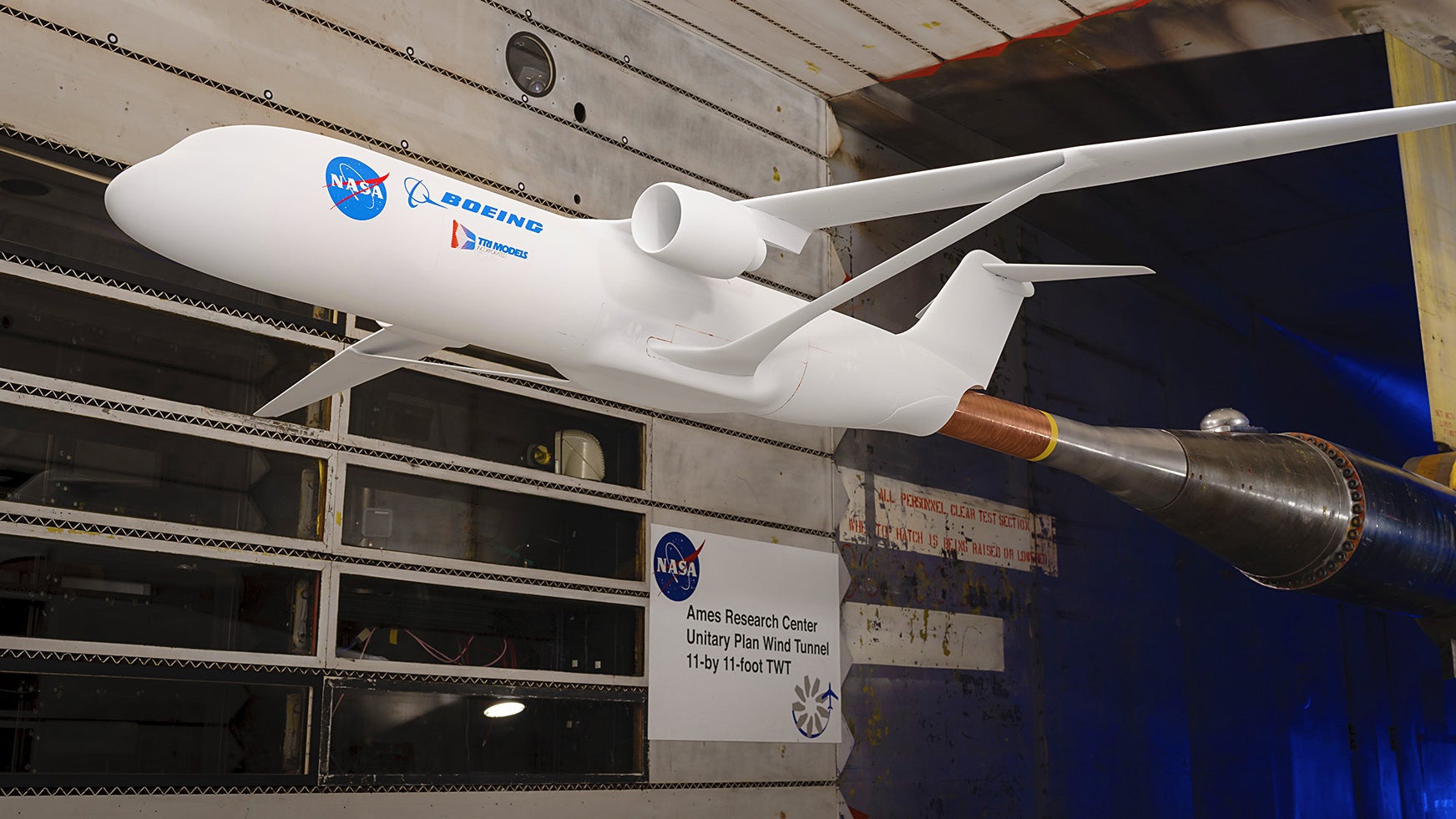
- Key research areas include electrified aircraft propulsion, developing small gas turbine engines, designing Transonic Truss-Braced Wings (TTBW), and advancing composite materials for faster manufacturing and certification processes.
Key takeaways sponsored by Aviator Pro | Start Your Training ->
See a mistake? Contact us.

