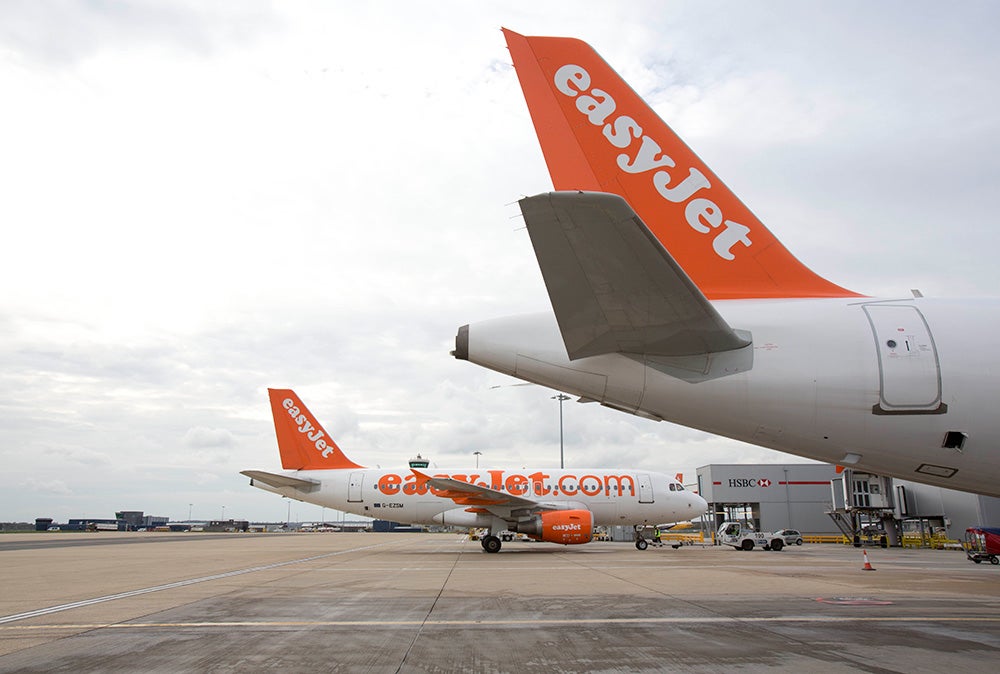
The partners will develop hydrogen combustion engine technology that can be used to power a variety of aircraft, including narrow-body passenger jets. [Courtesy: EasyJet]
Key Takeaways:
Rolls-Royce and EasyJet have formed a partnership named H2ZERO to develop hydrogen combustion engine technology capable of powering a range of aircraft, including narrow-body passenger jets.
Ground tests will begin later this year on a Rolls-Royce AE 2100 turboprop engine, followed by testing on the Pearl 15 turbine engine.
Backed by a multi-million-pound investment and operational expertise from EasyJet, the program aims to demonstrate hydrogen's viability to power aircraft from the mid-2030s toward the industry's net-zero 2050 target.
Rolls-Royce and low-cost airline EasyJet have partnered to develop hydrogen combustion engine technology that can be used to power a variety of aircraft, including narrow-body passenger jets.
Announced early Tuesday by Rolls-Royce, the development program reflects efforts across the aviation industry aimed at achieving net-zero carbon emissions by 2050.
CREATE A FREE ACCOUNT
Sign up to keep reading
Create a free account to continue. Already a member? Sign in below.
Jonathan Welsh is Lead Editor of Aviation Consumer and a private pilot who worked as a reporter, editor and columnist with the Wall Street Journal for 21 years, mostly covering the auto industry. His passion for aviation began in childhood with balsa-wood gliders his aunt would buy for him at the corner store. Follow Jonathan on Twitter @JonathanWelsh4