
It wasn’t very often during four years of aviation training at Purdue University that my eagerness to attend class was less than enthusiastic. But it waned on the bad-weather days when the substitute for flying an airplane was the 1950s or ’60s Frasca simulator. After an airline career of referring to a sophisticated, multimillion-dollar Level D, six-axis simulator as “the box,” it’s now sobering to realize that I trained in a version from which the slang namesake originated. No argument that the clunky, coffinlike machine was aptly christened.
Not Your Father’s Simulator

Key Takeaways:
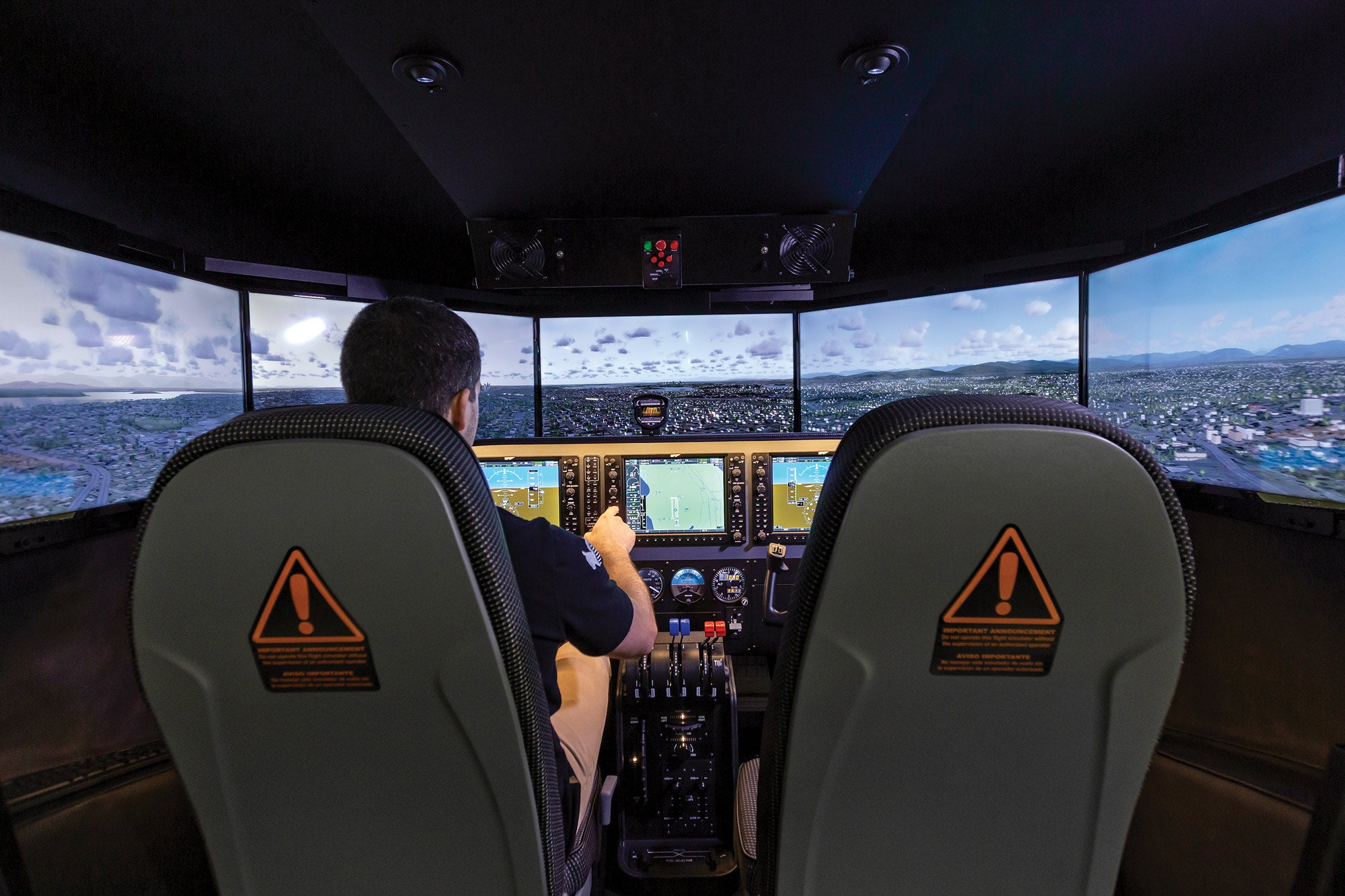
- Jetline Systems, in partnership with Virtual Fly, is developing and distributing advanced, professional-grade flight simulators for various training needs.
- Their product line includes FAA-approved Advanced Aviation Training Devices (AATDs) such as the Solo Pro and the motion-capable OnTop Duo.
- These new simulators offer highly realistic training experiences and superior visuals at a significantly lower cost ($35,000 to $100,000) compared to traditional multi-million dollar airline simulators.
- The article highlights the impressive technological advancements and affordability that are transforming the flight simulator market, even impressing a retired airline pilot.
Key takeaways sponsored by Aviator Pro | Start Your Training ->
See a mistake? Contact us.