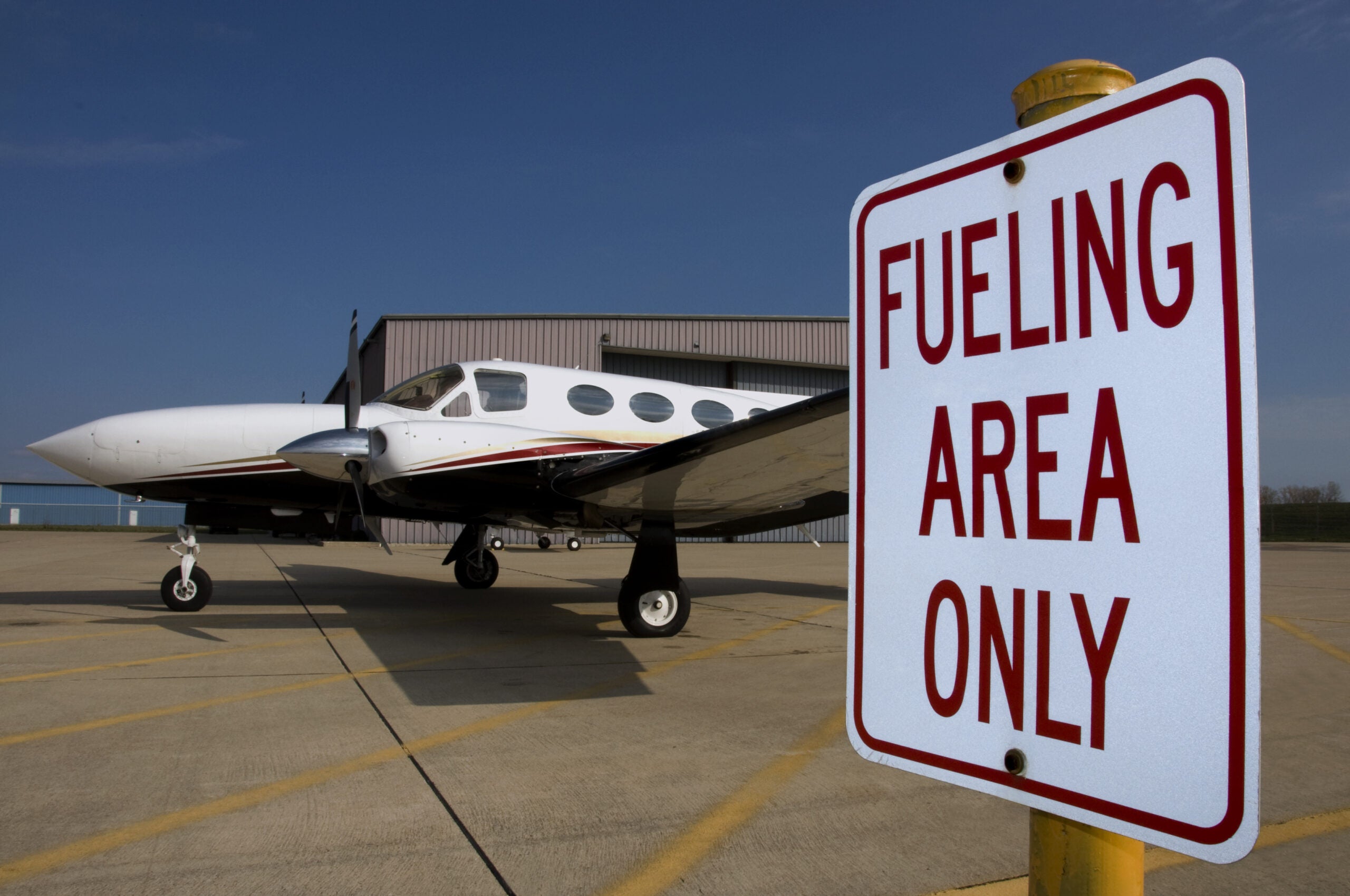
It's possible to use auto fuel in your aircraft, but there are things you have to consider, and things you have to do. [File Photo: Adobe Stock]
Key Takeaways:
Using automobile fuel in an aircraft is a violation unless the aircraft possesses a Supplemental Type Certificate (STC) specifically approving its use for both the airframe and engine, requiring proper documentation and placarding.
While not leading to immediate failure, auto gas lacks the lubricating lead of avgas and its lower octane can cause detonation. The most significant risk comes from ethanol in auto fuel, which can severely damage aircraft fuel system components and lead to engine failure, especially if the aircraft sits for extended periods.
Engine manufacturers may permit auto fuel under specific conditions, but warn that unapproved fuels (especially those containing ethanol) void warranties and can cause extensive damage. Therefore, pilots must ensure auto fuel is ethanol-free and compatible with all airframe components.
Every student pilot hears this dire warning about using automobile gas in an aircraft engine that was not certified for it. These warnings are usually accompanied by a story about engine failure and an unscheduled off-airport landing, which often occurs shortly after takeoff.
CREATE A FREE ACCOUNT
Sign up to keep reading
Create a free account to continue. Already a member? Sign in below.
Meg Godlewski has been an aviation journalist for more than 24 years and a CFI for more than 20 years. If she is not flying or teaching aviation, she is writing about it. Meg is a founding member of the Pilot Proficiency Center at EAA AirVenture and excels at the application of simulation technology to flatten the learning curve. Follow Meg on Twitter @2Lewski.