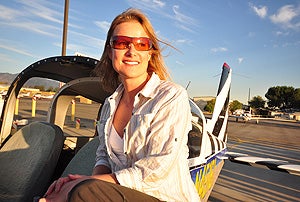
I have heard it many times: “I have always wanted to learn to fly, but I don’t have perfect vision.” The idea that pilots need 20/20 vision is truly a misconception. And while there are some medical conditions that would disqualify you from becoming a pilot, most can be overcome. Only one eye? No problem. No hearing? No problem. Missing one or several limbs? No problem.
Pilots with Special Abilities

Key Takeaways:
- Many medical conditions and physical disabilities, often perceived as disqualifying, can be overcome to become a pilot, disproving the misconception that perfect health or 20/20 vision is required.
- The FAA provides specific pathways like Statements of Demonstrated Ability (SODA) for static conditions and Special Issuances for dynamic conditions, while the Sport Pilot certificate offers an easier route for some without a traditional FAA medical.
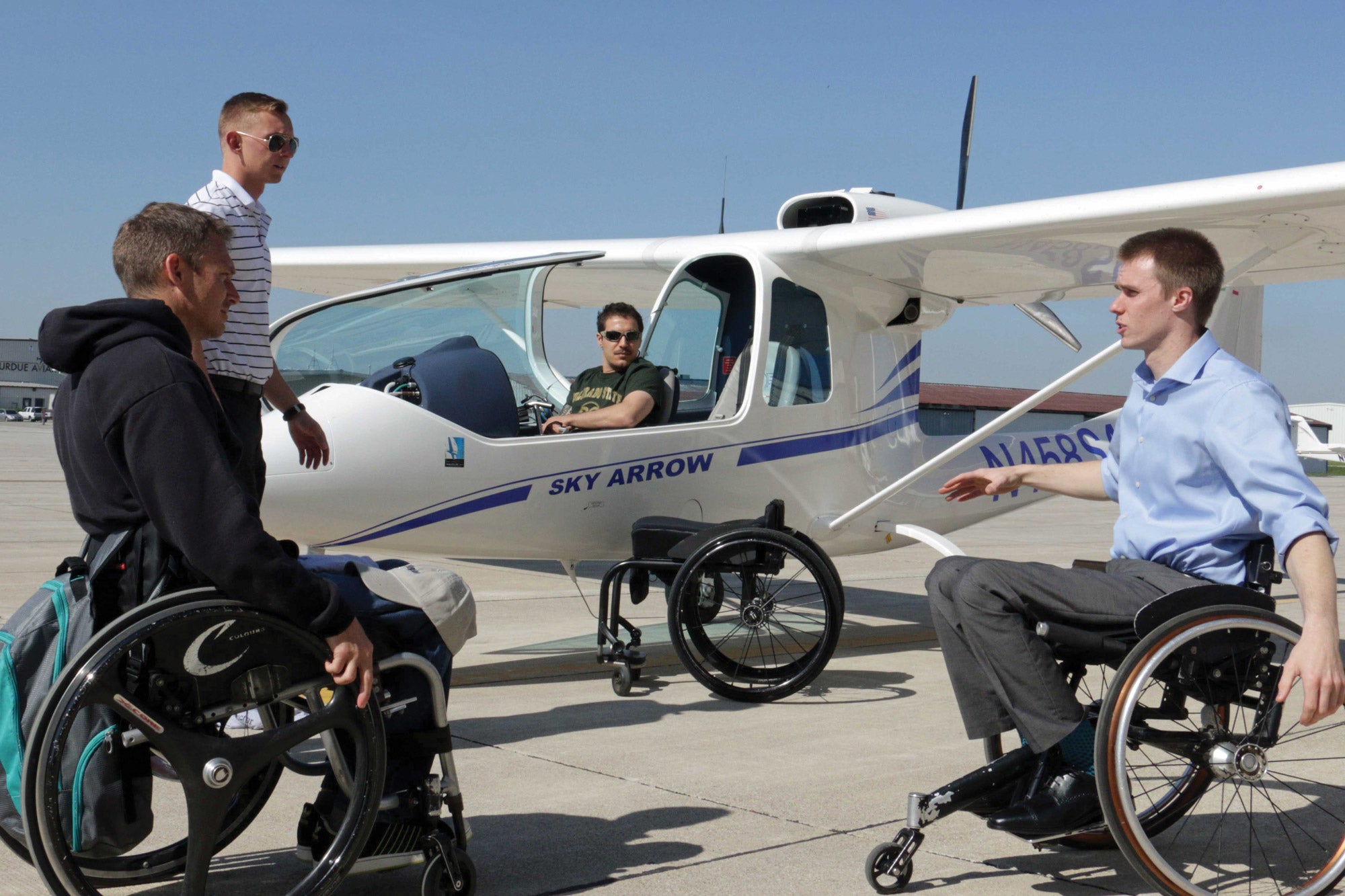
- Pilots with significant challenges such as hearing loss or missing limbs successfully fly through specialized training, aircraft modifications, and support from organizations like Able Flight, demonstrating that limitations can be accommodated.
Key takeaways sponsored by Aviator Pro | Start Your Training ->
See a mistake? Contact us.