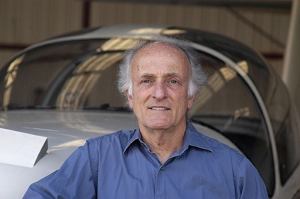
Malcom S. Harned had a distinguished career in aerospace. He led development of the supersonic ramjet at General Electric, directed the Air Force’s nuclear-jet-engine program, managed development of a turbine helicopter at Hughes, and—after a stint at Gates Learjet—oversaw the development of the Conquest and Citation as president and chief operating officer of the Cessna Aircraft Co.
Looking Into the Aviation Future
We look through the glass and what do we see?

Key Takeaways:
- Prominent aerospace experts, including Malcom Harned, Burt Rutan, and the author, consistently made overly optimistic and largely inaccurate predictions regarding the future of general aviation's technology adoption and market expansion.
- Common predictive pitfalls included underestimating regulatory hurdles, market forces, and practical considerations, while overestimating the widespread availability of advanced features like intuitive controls, automated systems, or the viability of novel aircraft designs.
- While some specific technological advancements, such as composites and digital electronics, were correctly identified as significant, their revolutionary impact and integration into aviation were frequently misjudged in terms of timeline and overall scope.
- The article highlights the inherent difficulty and peril of technological prediction, noting that innovators often have an exaggerated sense of future possibilities and how quickly they will arrive, frequently overlooking pragmatic forces that slow progress.
Key takeaways sponsored by Aviator Pro | Start Your Training ->
See a mistake? Contact us.