











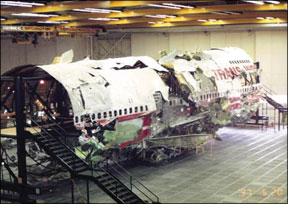
In 103 years of powered flight, the aviation community has successfully evolved a set of highly developed and scientific methods for investigating accidents, examining their root causes and making results-based changes in the hope that future, similar events will be prevented. Integral parts of our accident investigation system is its introspection and dedication to a single, worthwhile objective: enhanced safety. That this system works is evidenced by steady accident rate reductions and the general publics matter-of-fact approach to air travel. But this system only works if its objective remains identifying and repairing faults in design or operation. When the system becomes a political tool, for example, and obstacles to finding the root causes of an accident are erected, everything and everyone suffers. In the U.S., the best example of politicizing an aviation accident is the investigation into the loss of TWA Flight 800, a Boeing 747 that exploded in mid-air over Long Island Sound on July 17, 1996. Say what you will about alternate 288
Criminal
In 103 years of powered flight, the aviation community has successfully evolved a set of highly developed and scientific methods for investigating accidents, examining their root causes and making results-based changes in the hope that future, similar events will be prevented.

Key Takeaways:
- The established system for aviation accident investigation is highly developed and scientific, successfully reducing accident rates by focusing on identifying root causes to enhance safety.
- This effective system is compromised when investigations become politicized or introduce criminal charges, diverting from the core objective of accident prevention.
- Examples like TWA Flight 800 in the U.S. and a 2006 mid-air collision in Brazil demonstrate how politicization and the threat of criminalization hinder thorough investigation and ultimately impede aviation safety improvements.
Key takeaways sponsored by Aviator Pro | Start Your Training ->
See a mistake? Contact us.

