














Register

Sisters in Flight

Amelia Earhart wasn't the only woman to test her mettle in an airplane. She also wasn't the only one to find a watery grave.

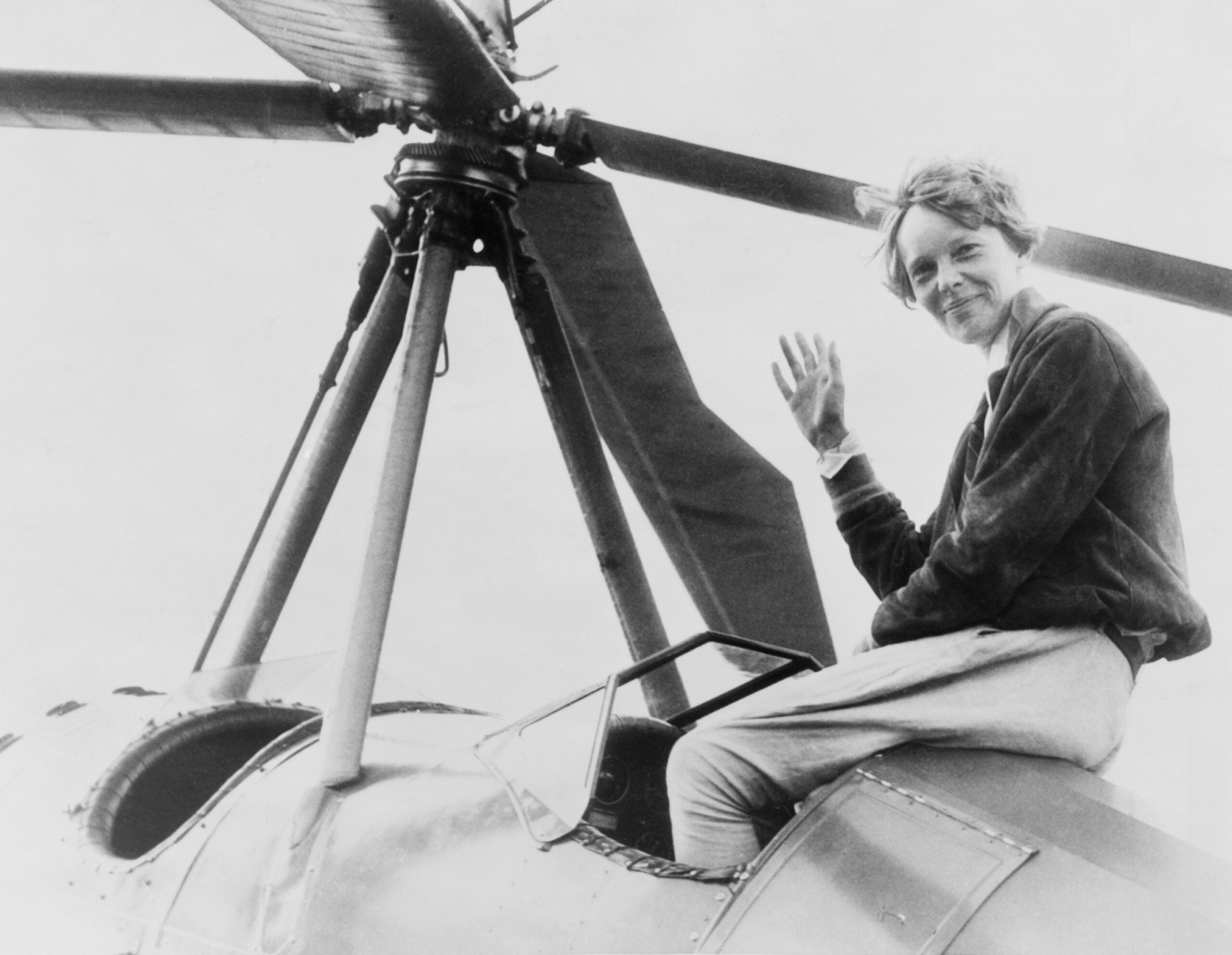
Amelia Earhart's fame required constant stoking, including a brief affair with the autogiro. [File Photo: Shutterstock]
Gemini Sparkle

Key Takeaways:

  • The article re-examines Amelia Earhart's disappearance, discussing Ric Gillespie's Nikumaroro theory and critiquing Earhart's preparedness regarding her radio equipment.
  • It contextualizes Earhart's fate within the broader "distance-flying craze" of the 1920s, a dangerous era marked by numerous failures and disappearances over the ocean.
  • A significant portion details the 1927 Dole Transpacific Derby, a publicity-driven race that resulted in the tragic loss of Mildred Doran and nine other individuals due to crashes and disappearances.
See a mistake? Contact us.

A year ago, I wrote an article about the 1937 disappearance of Amelia Earhart. In it, I mentioned—along with some general cautionary observations about range—the suggestion of a California Institute of Technology professor and a graduate student that the range of Earhart’s twin-engine Lockheed Electra 10 was less than is generally assumed. This mattered because much of the theorizing about what became of the famous aviator and her navigator, Fred Noonan, depended on their airplane’s ability to fly several hours past Howland Island, the microscopic excrescence of coral on which they intended to refuel before continuing to Honolulu.

My article drew a testy reply from Ric Gillespie, who has probably devoted more time to this subject than anyone else on Earth. His basic complaint was that my comments about the fate of Earhart and Noonan were half-baked and firmly based on my far-reaching ignorance of the topic. This I conceded. There followed a cordial exchange of emails and a copy of his book Finding Amelia, as well as several issues of Tighar Tracks, the journal of the aviation-archaeology group of which Gillespie is the head.

Peter Garrison

Peter Garrison taught himself to use a slide rule and tin snips, built an airplane in his backyard, and flew it to Japan. He began contributing to FLYING in 1968, and he continues to share his columns, ""Technicalities"" and ""Aftermath,"" with FLYING readers.

Ready to Sell Your Aircraft?

List your airplane on AircraftForSale.com and reach qualified buyers.

List Your Aircraft
AircraftForSale Logo | FLYING Logo
Pilot in aircraft
Sign-up for newsletters & special offers!

Get the latest stories & special offers delivered directly to your inbox.

SUBSCRIBE
