













Register

The Impossible Turn

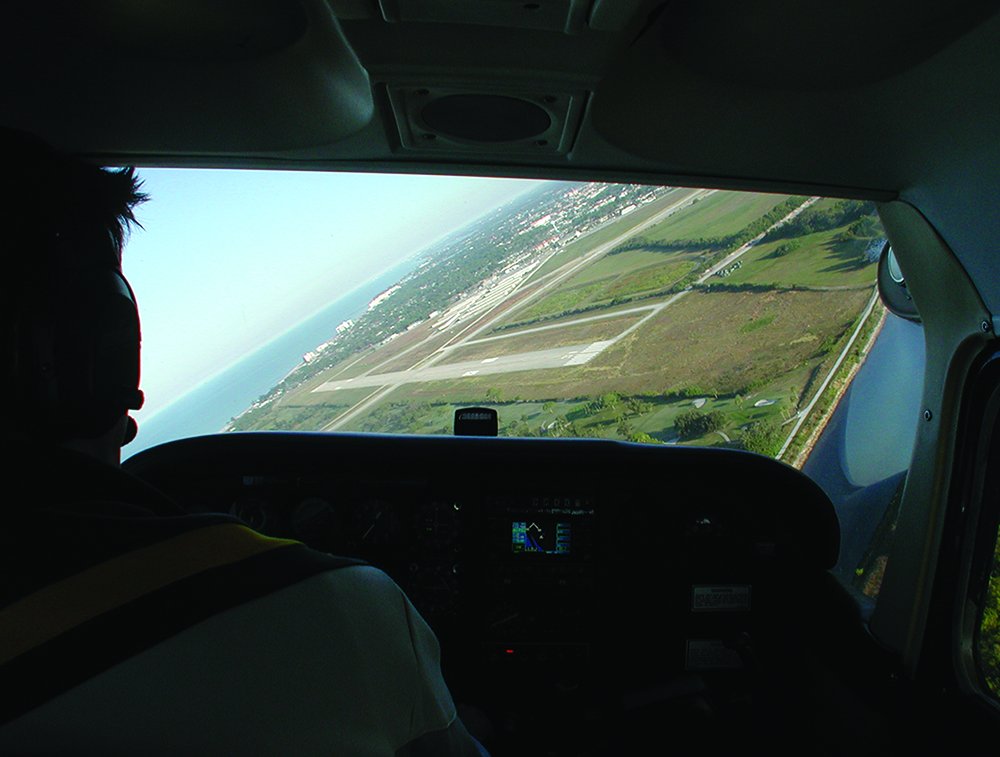
This magazine often has discussed the so-called impossible turn: returning to the departure runway and landing downwind after an engine failure during takeoff. Our view of the impossible turn is that it is possible, but only with practice, sufficient altitude and some luck. Generally, executing a forced landing straight ahead is preferable to attempting a steeply banked turn at low altitude. This is especially true without engine power or sufficient airspeed above the wings stalling angle of attack to enable the steep turn.

Gemini Sparkle

Key Takeaways:

  • The "impossible turn" (returning to the departure runway after an engine failure during takeoff) is generally discouraged due to the extreme difficulty and high risk of stalling during low-altitude, steep maneuvers, with a straight-ahead forced landing often being the safer option.
  • Key challenges in attempting this maneuver include decision-making delays that deplete critical energy, and the necessity of multiple steep turns close to the ground with limited power, altitude, and airspeed.
  • Even with partial engine power, the maneuver carries significant risk of stall/spin if pilots attempt to stretch a glide or turn too steeply, with insufficient altitude for recovery.
  • A fatal Sonex accident, caused by a pilot's failure to maintain airspeed during a steep turn back to the runway after a partial power loss (due to improper spark plug repair), tragically illustrates the dangers of such an attempt.
See a mistake? Contact us.

This magazine often has discussed the so-called impossible turn: returning to the departure runway and landing downwind after an engine failure during takeoff. Our view of the impossible turn is that it is possible, but only with practice, sufficient altitude and some luck. Generally, executing a forced landing straight ahead is preferable to attempting a steeply banked turn at low altitude. This is especially true without engine power or sufficient airspeed above the wing’s stalling angle of attack to enable the steep turn.

One problem with trying to return to the departure runway in such an event is the inevitable delay in accepting the engine failure and making the decision to attempt the maneuver. Precious seconds and energy are lost while the pilot processes the situation and decides how to respond. By then, the airplane is even further away from the runway, and perhaps even lower and slower.


Ready to Sell Your Aircraft?

List your airplane on AircraftForSale.com and reach qualified buyers.

List Your Aircraft
AircraftForSale Logo | FLYING Logo
Pilot in aircraft
Sign-up for newsletters & special offers!

Get the latest stories & special offers delivered directly to your inbox.

SUBSCRIBE