
Writing last month’s Aftermath column about a fatal accident that resulted from the pilot’s mishandling of a balked landing, I reflected that I had never assessed the behavior of my own airplane in that maneuver. As I have said before, my idea of flight testing is to take trips and wait for something strange to happen, and as luck would have it, I have never yet had a balked landing in Melmoth 2.
Why You Should Get to Know Your Airplane at its Worst

Key Takeaways:
- Mishandling go-arounds, particularly retracting flaps prematurely at low speed, is a critical and common error that can lead to stalls and fatal accidents.
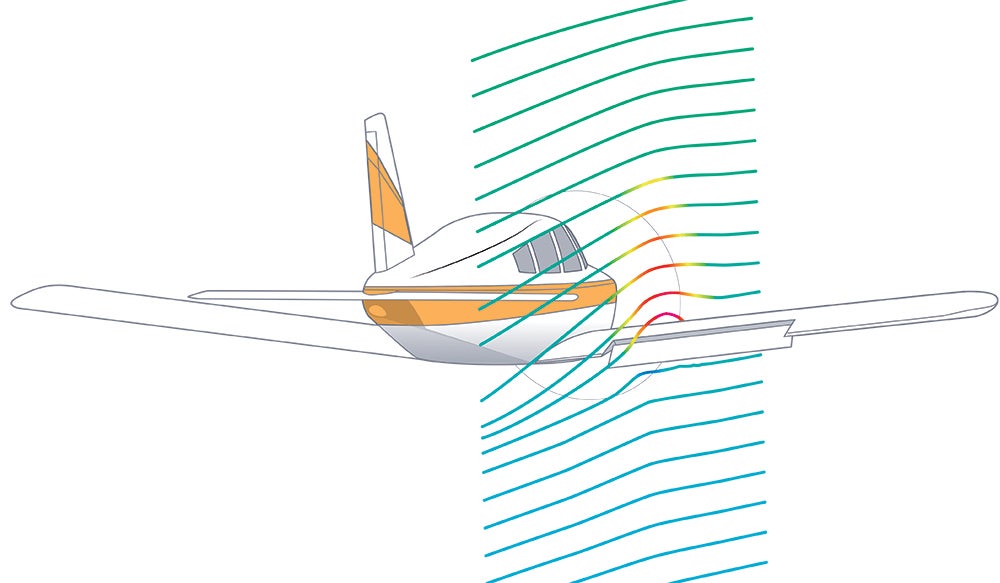
- Aircraft exhibit complex and varied pitch and trim changes during go-arounds due to aerodynamic interactions between flaps, wings, and tails.
- These characteristics are influenced by factors such as flap design, deflection angle, and the horizontal stabilizer's position relative to the wing's wake.
- Pilots are strongly advised to practice balked landings at a safe altitude, ideally with an instructor, to understand their specific aircraft's behavior and prepare for real-world scenarios.
Key takeaways sponsored by Aviator Pro | Start Your Training ->
See a mistake? Contact us.