
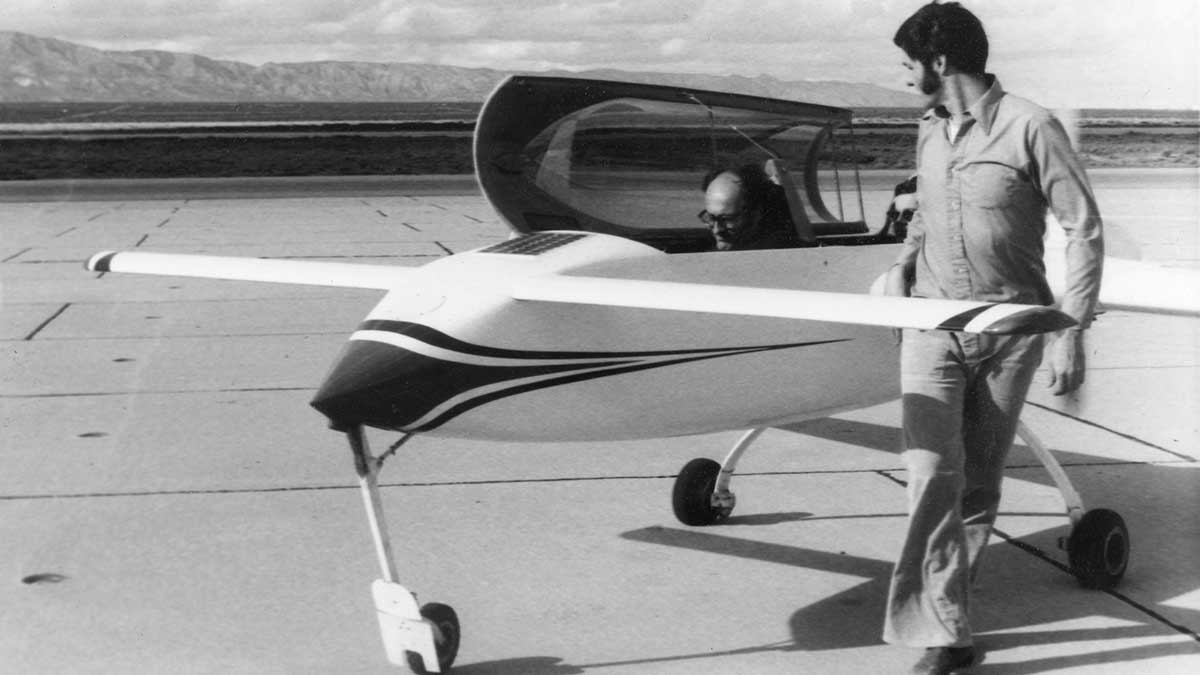
Canard airplanes were the rage in the 1970s. The VariEze took the homebuilding world — which Jim Bede’s BD-5 had recently taken by storm — by storm. Storms were frequent those days; it was also in the 1970s that T-tails took general aviation by storm and popped up in a lot of places they had no reason to be.
Where Have All the Foreplanes Gone?

Key Takeaways:
- Canard airplanes, particularly Burt Rutan's homebuilt designs like the VariEze, experienced a significant "craze" in the 1970s and 80s, influenced by earlier designs like the Saab Viggen.
- A primary touted advantage of canards was their potential to be "stall-proof," offering a safety benefit, but this was counterbalanced by a risk of unrecoverable deep stalls if the aircraft was improperly loaded or configured.
- Despite initial enthusiasm and some valid characteristics, many arguments for the canard configuration were deemed specious, leading to the eventual decline of the craze and a market shift back towards conventional aircraft designs, even for Burt Rutan's later projects.
Key takeaways sponsored by Aviator Pro | Start Your Training ->
See a mistake? Contact us.