











Otto the Autopilot this is not, but Aurora Flying Sciences’ Aircrew Labor In-cockpit Automation System (ALIAS) reached a significant milestone this week with the simulated landing of a Boeing 737-800NG. The latest accomplishment of this “robotic co-pilot” took place at the John A. Volpe National Transportation Systems Center in Massachusetts, as ALIAS proved it is capable of using the 737’s auto-landing system to land the aircraft safely, should the pilot become incapacitated.
Video: Aurora’s Robotic Co-pilot Successfully Lands a Simulated Boeing 737
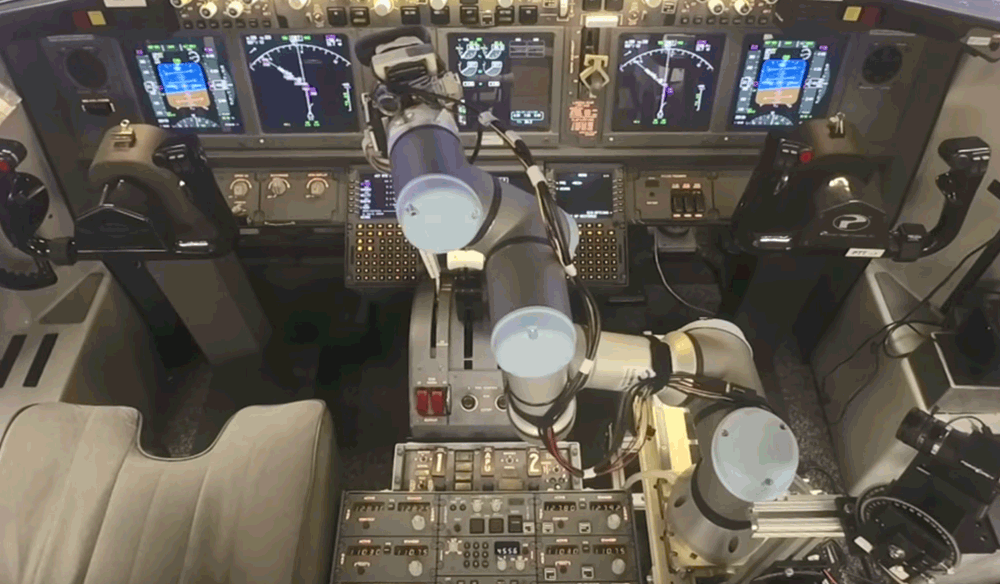

Key Takeaways:
- Aurora Flying Sciences' ALIAS (Aircrew Labor In-cockpit Automation System) achieved a milestone by successfully performing a simulated autonomous landing of a Boeing 737-800NG, proving its capability in scenarios of pilot incapacitation.
- Developed for DARPA, ALIAS functions as a "robotic co-pilot" aimed at improving aircraft performance, reducing crew workload and costs, and simplifying training across diverse civilian and military aircraft.
- The system is designed to "extend rather than replace human capabilities," leveraging automation for specific tasks while allowing human pilots to focus on their unique strengths.
Key takeaways sponsored by Aviator Pro | Start Your Training ->
See a mistake? Contact us.

