













Flying is a great joy. There is plenty of airspace on the planet for all of us to go our own way and still have miles between us and another aircraft. You could probably say the same thing about driving if we didn’t have to follow the roads. But similarly, a good portion of us travel on airways or within controlled airspaces, very close to others. Of course, the busiest of that airspace is Class Bravos where so many of us seem to congregate .
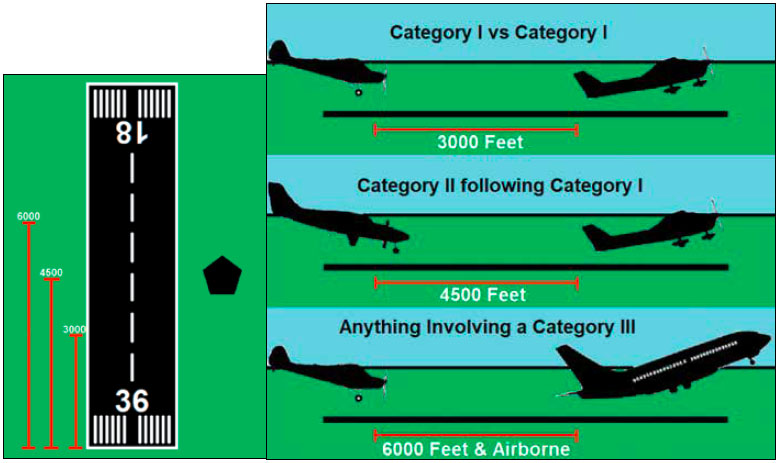
In my last article, I mentioned the importance of understanding the other side of the big picture, and briefly went into separation requirements. Separation itself is its own article, but just how close can a controller allow two aircraft to get? The short answer is that it depends on where you are. Separation requirements on VFR aircraft vary with the type of airspace and radar facility, and some of those can put you pretty close. For those of us who are not part of a precision air demonstration team with 10 feet or less separation where do you draw the line?

