














U.S., India Officials Spar Over 787 Crash Investigation

NTSB reportedly threatened to withdraw from the probe.

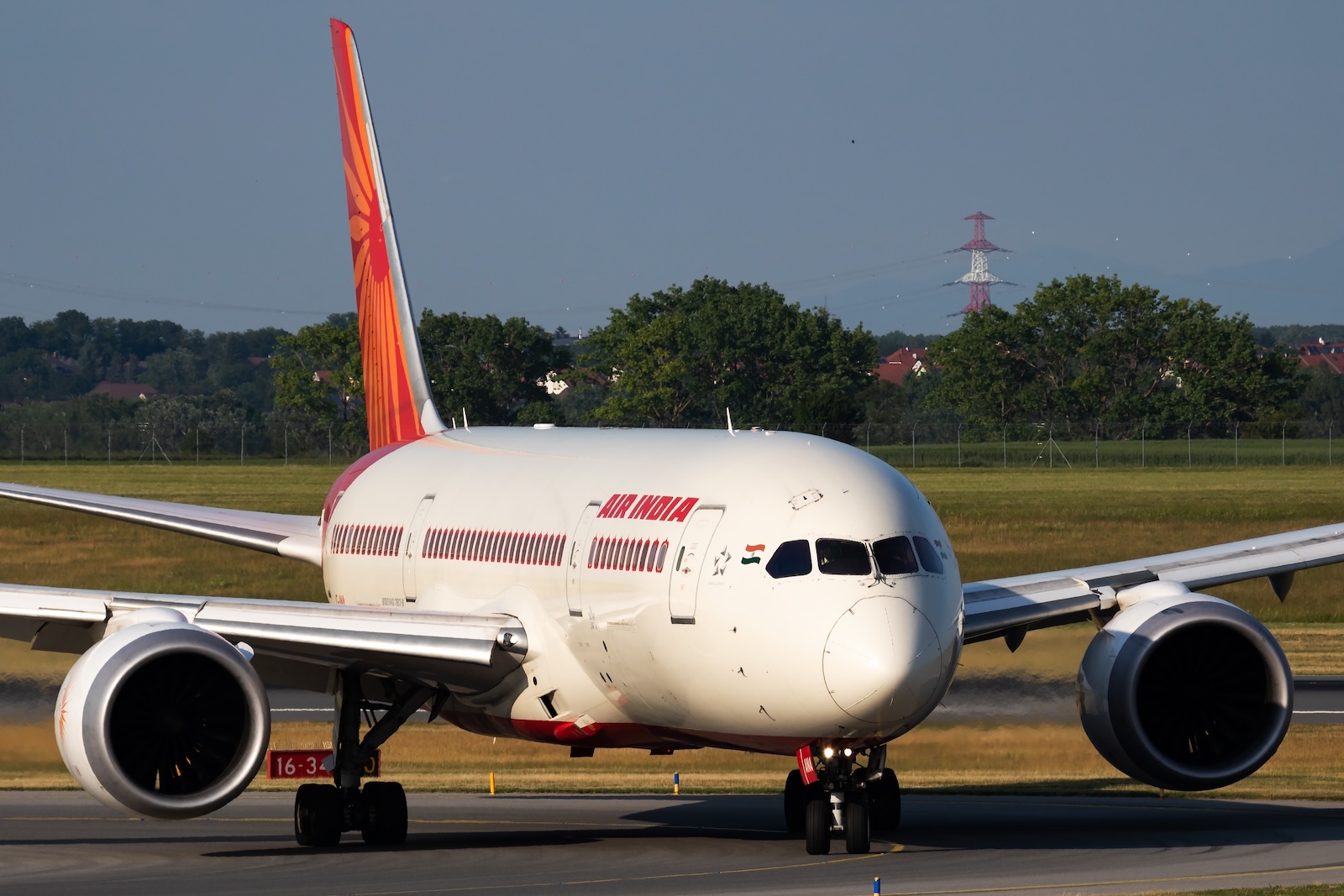
An Air India Boeing 787-8
Air India Boeing 787-8 [Credit: Shutterstock/Soos Jozsef]
Gemini Sparkle

Key Takeaways:

  • The investigation into an Air India 787 crash is fraught with significant tension and disagreements between American (NTSB) and Indian (AAIB) officials.
  • Disputes arose over procedural issues like the location for examining flight recorders (leading to an NTSB ultimatum) and the pace/process of evidence analysis, influenced by factors of national pride.
  • A major point of contention is the crash's ultimate cause, with U.S. officials privately suspecting pilot suicide due to deliberate fuel cutoff, a narrative Indian authorities and pilot associations have avoided.
See a mistake? Contact us.

Relations between American and Indian officials investigating the crash of an Air India 787 earlier this year have been tense, according to a new report, and there may be considerable daylight between the two sides over the cause of the disaster.

The Wall Street Journal reported Friday that the National Transportation Safety Board (NTSB) and Indian authorities disagreed on where to examine the aircraft’s flight recorders and the process for examining evidence. The Americans were also frustrated by the alleged slow pace of data recovery efforts.


At one point, NTSB Chair Jennifer Homendy threatened to withdraw American support for the probe unless her agency’s demands were met, according to the newspaper.

As of this month, the NTSB and FAA, and India’s Aircraft Accident Investigation Bureau (AAIB) are continuing to collaborate on the investigation, though no new information has been released through official channels in months. A preliminary report from the AAIB issued in July revealed that the 787’s fuel control switches had been turned from “RUN” to “CUTOFF,” which starved both engines of fuel and reduced their thrust. The document did not explain why the switches were moved to the cutoff position.

Black Box Standoff

According to the Journal, Indian officials wanted to examine the aircraft’s flight recorders at a laboratory in the town of Korwa in northern India. The Americans thought the analysis would take place in either New Delhi or Washington, D.C., and were reluctant to send specialists to Korwa due to the risk of terrorism in the region.

Homendy allegedly blocked the plan and had State Department employees intercept NTSB investigators at the airport in Delhi so they would not board a military flight to Korwa arranged by the Indian government.

Homendy then issued an ultimatum—if Indian investigators did not pick between New Delhi or Washington within 48 hours, she would end U.S. support for the investigation. The Indian government settled on New Delhi.

Air India 787
Air India 787 [Credit: Shutterstock]

U.S. and Indian experts also did not see eye to eye on the overall process for examining and sharing evidence. The Indians conducted some aspects of the investigation sequentially, the Journal stated, while the Americans wanted a broader, faster review to determine if there was a problem with the 787, which would have posed a risk to the international flying public.

It also took an unusually long time for Indian examiners to produce a flight recorder readout.

“We’re champing at the bit to get the data,” an FAA official in the U.S. reportedly said at the time.

‘We’re Not a Third-World Country’

Differences between the U.S. and Indian investigators may have as much to do with culture and national pride as procedure.

The Journal report suggests the AAIB did not want an outside organization taking control of the probe or undermining its authority. Agency chief G.V.G. Yugandhar reportedly told American investigators “we’re not a third-world country” and “we can do anything you all can do,” according to people familiar with the discussions.

Flight 171 crashed shortly after taking off from the city of Ahmedabad. The 787 failed to climb and struck the campus of a medical college, killing a total of 260 people, including all but one of the flight’s passengers.

According to the Journal’s report, U.S. and Indian experts disagree on where responsibility for the crash ultimately lies. Figures in the U.S. government and the American aerospace sector privately believe one of the pilots deliberately crashed the airplane, while Indian authorities and pilots associations have avoided talking about potential pilot culpability.

Data from the flight recorders and other instruments reportedly shows that, as the 787 lost altitude, the first officer panicked and attempted to pull up on the aircraft’s yoke, while the senior pilot—suspected of cutting off fuel to the engines—did not.

Zach Vasile

Zach Vasile is a writer and editor covering news in all aspects of aviation. He has reported for and contributed to the Manchester Journal Inquirer, the Hartford Business Journal, the Charlotte Observer, and the Washington Examiner, with his area of focus being the intersection of business and government policy.

Ready to Sell Your Aircraft?

List your airplane on AircraftForSale.com and reach qualified buyers.

List Your Aircraft
AircraftForSale Logo | FLYING Logo
Pilot in aircraft
Sign-up for newsletters & special offers!

Get the latest stories & special offers delivered directly to your inbox.

SUBSCRIBE
