











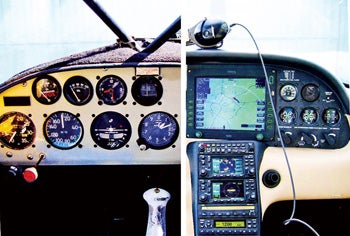


Last month I discussed the need for balance between hand-flying the airplane and using the autopilot. Another example of a need for balance is in the traditional versus scenario-based flight training debate. When I received my flight training, the airplanes had only basic radios and instruments, and the only parts of most flights that were similar to normal flight operations were the takeoff and landing. The rest of the flight was dedicated to accomplishing maneuvers in the practice area. It was only when we started cross-country training that I got to experience something close to normal flight operations.
It was very much the same approach when I was a Learjet instructor for FlightSafety back in the early ’80s. The pilot seldom got to fly with both engines operating, and usually had other failures to contend with at the same time. Except for when it was necessary to climb to altitude to practice an emergency descent, most of the sessions consisted of multiple takeoffs, approaches and landings. When we took a break from approaches to practice systems’ failures, instead of “gear up, autopilot on,” it was “gear up, position freeze.” To make it easier on the instructor and the student, we would freeze the position of the simulator immediately after takeoff so that the airplane was climbing in a fixed position over the end of the runway. We would sometimes even use flight freeze so the students would not have to fly the airplane as they focused on the system issues they were experiencing. At that point the $8.5 million simulator was nothing more than a glorified systems trainer.

