











After an IFR flight of nearly four hours, my wife and I approached a north central U.S. airport in our Mooney. We had descended below the 6000-foot overcast to find excellent visibility. My wife handled the communications while I flew; her first call to the tower, from more than 10 miles out, was met with the question, “Are you IFR or VFR?” She responded that we had canceled our IFR flight plan and were VFR with the field in sight. We were advised to enter a left downwind for the east-west runway. 288
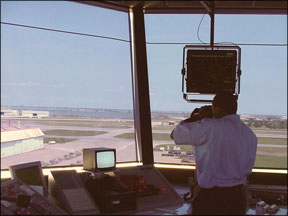
Tower Controlled
After an IFR flight of nearly four hours, my wife and I approached a north central U.S. airport in our Mooney. We had descended below the 6000-foot overcast to find excellent visibility. My wife handled the communications while I flew; her first call to the tower, from more than 10 miles out, was met with the question, "Are you IFR or VFR?" She responded that we had canceled our IFR flight plan and were VFR with the field in sight. We were advised to enter a left downwind for the east-west runway.

Key Takeaways:
- A Mooney pilot experienced a near-miss when a twin aircraft, preoccupied with a simulated engine-out, passed 30-50 feet directly overhead, despite ATC sequencing and the twin reporting the Mooney in sight.
- The twin's crew, focused on their training workload and maintaining a higher approach, misidentified another aircraft for the Mooney, leading to the conflict.
- The incident highlighted the critical importance for pilots to prioritize their own visual assessment of traffic and make independent decisions, rather than solely relying on ATC instructions or acknowledgments from other aircraft.
Key takeaways sponsored by Aviator Pro | Start Your Training ->
See a mistake? Contact us.

