











It was a lousy day to begin with: Gusty winds, steady rain and low ceilings covered the entire area. I departed home plate at 0700 in our Navajo Chieftain for Louisville-Bowman Field. After flying the GPS WAAS Runway 24 approach down to minimums, I taxied to the ramp where my four passengers were waiting. The mission was carrying the governors economic development group to different potential sites across the state. Within minutes, we were off again, headed to our first destination, Hopkinsville, Ky. After another approach to near-minimums and taxiing to the ramp, I was thinking 288
This Is Not A Drill
It was a lousy day to begin with: Gusty winds, steady rain and low ceilings covered the entire area. I departed home plate at 0700 in our Navajo Chieftain for Louisville-Bowman Field. After flying the GPS WAAS Runway 24 approach down to minimums, I taxied to the ramp where my four passengers were waiting. The mission was carrying the governors economic development group to different potential sites across the state. Within minutes, we were off again, headed to our first destination, Hopkinsville, Ky. After another approach to near-minimums and taxiing to the ramp, I was thinking this was going to be a long day, given the amount of airports on their agenda and the weather.

Key Takeaways:
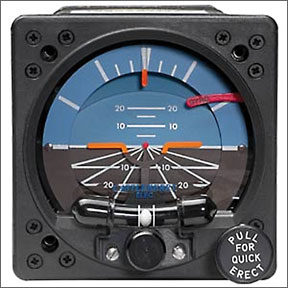
- During a multi-leg flight in challenging weather, the pilot experienced a critical instrument failure (lost vacuum pump) and successfully diverted the aircraft.
- The pilot attributed the safe resolution of the in-flight emergency directly to recent recurrent simulator training on instrument failures.
- The article strongly emphasizes the crucial importance of continuous and serious recurrent training, particularly for rarely-encountered emergencies, highlighting how quickly simulated failures can lead to dangerous situations.
Key takeaways sponsored by Aviator Pro | Start Your Training ->
See a mistake? Contact us.

