














Register

Sky Kings: Flying the Aircraft You’re In

Gemini Sparkle

Key Takeaways:

  • Flying a blimp involves unique and often counter-intuitive challenges; for example, calm winds impair control during landing, and sunny skies create unpredictable "superheat" lift.
  • Successful blimp operation requires meticulous ballast management and continuous envelope pressure control, demanding specialized expertise beyond general aviation principles.
  • Every aircraft has its own distinct, often non-intuitive risks and operational considerations, where experience in one type can even be a disadvantage in another, necessitating specific knowledge for safe flight.
See a mistake? Contact us.

“Calm winds, clear skies, bright sunshine. It’s a wonderful day to fly.” The Flight Service Station specialist was delighted to be giving such a favorable weather report. “No,” I thought to myself. “It’s a lousy day to fly.” This surprising thought illustrates there are special considerations and risks for every aircraft you fly.

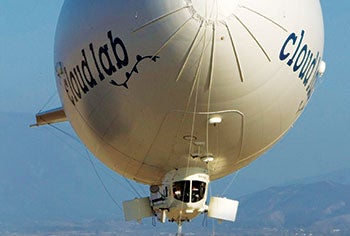
You see, on that day I was flying the Skyship 600 blimp — over six stories tall, nearly two-thirds the length of a football field, and weighing over 15,000 pounds without the lifting gas. Upon landing, my job would be to deliver this behemoth gently into the hands of the 13 or so ground crew members who would then use the handling lines and gondola railings to walk it over and attach it to the mast. If I did a bad job of this I would put the ground crew at risk by dragging them across the landing area as they struggled to bring the airship to a stop.


Martha King

Martha King and John King take turns writing Sky Kings. They have shared flying and teaching aviation for more than 50 years.

Ready to Sell Your Aircraft?

List your airplane on AircraftForSale.com and reach qualified buyers.

List Your Aircraft
AircraftForSale Logo | FLYING Logo
Pilot in aircraft
Sign-up for newsletters & special offers!

Get the latest stories & special offers delivered directly to your inbox.

SUBSCRIBE
