Thirsting for knowledge, I Googled why we drive on one side of the road rather than the other. I found a lot of obvious rubbish about quarrelsome knights and Roman charioteers. I suspect that what really happened was Henry Ford flipped a quarter and William Morris a shilling, and they came up different. Nevertheless, I propose to offer an explanation of why the pilot of an airplane sits in the left seat, and why we normally make left turns in the traffic pattern.
Technicalities: Why Left?

Key Takeaways:
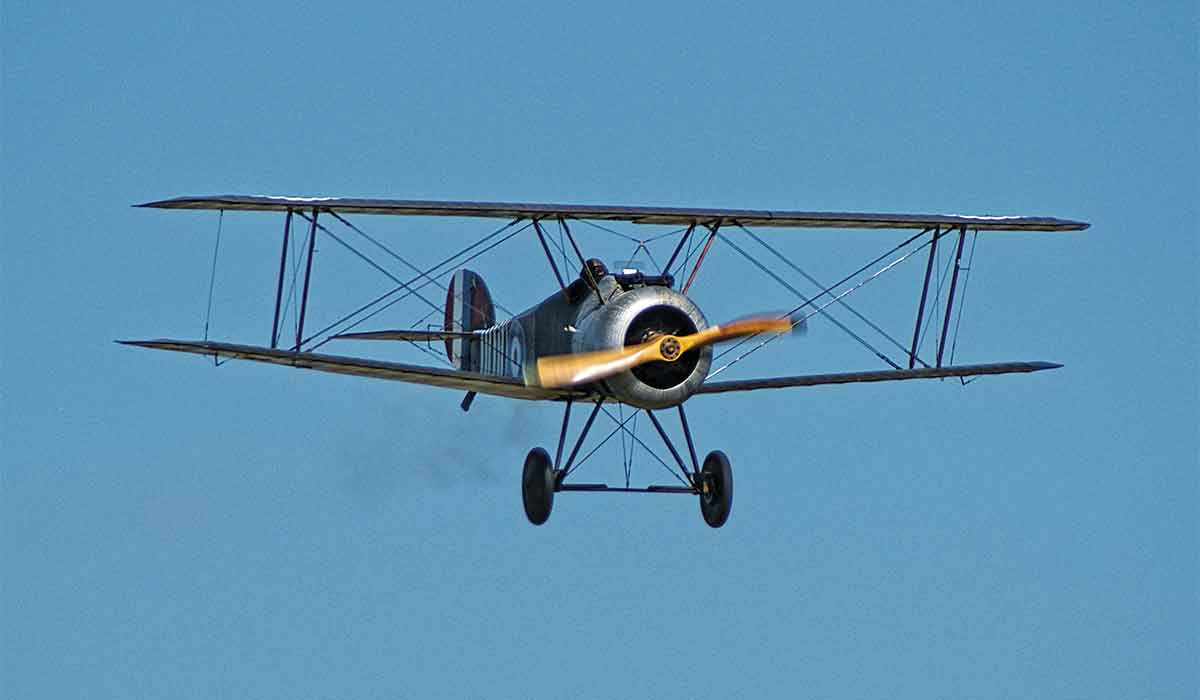
- The article presents Javier Arango's theory, suggesting that modern aviation's "leftist tendencies"—pilots sitting on the left and making left traffic pattern turns—originated from World War I-era rotary engines.
- These rotary engines, common in WWI fighter planes, generated gyroscopic forces that caused the aircraft's nose to drop during right turns and pitch up during left turns.
- For novice pilots, particularly in planes like the Sopwith Camel, right turns were dangerous because attempting to correct the dropping nose with the stick (instead of left rudder) often led to a spin.
- This inherent danger led pilots to prefer making left turns during landing approaches, establishing a habit that eventually standardized the pilot's left-seat position in side-by-side cockpits.
Key takeaways sponsored by Aviator Pro | Start Your Training ->
See a mistake? Contact us.