










Electric Jet Developer Heart Aerospace Ditches Sweden for U.S.
Company is shuttering operations in Sweden to scale up its team in the U.S., where it is planning to fly a demonstrator this year.


Company is shuttering operations in Sweden to scale up its team in the U.S., where it is planning to fly a demonstrator this year.
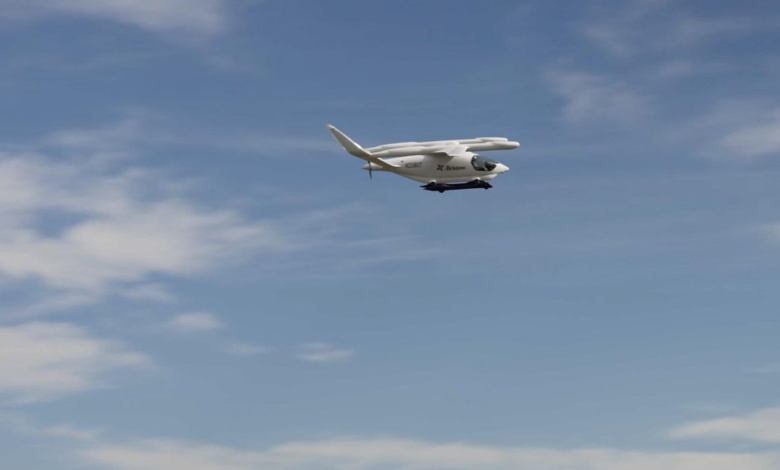
Electric aircraft manufacturer Beta hopes to take its conventional takeoff and landing (CTOL) Alia to market in 2025.
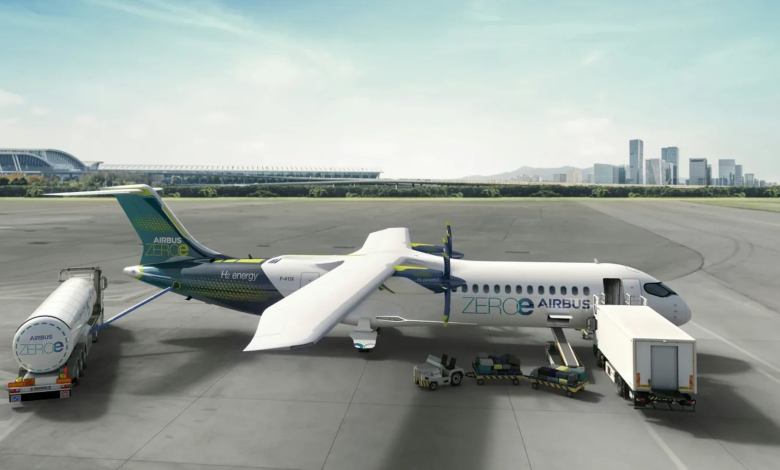
Airbus and several partners are studying hydrogen infrastructure at airports, while Cranfield Aerospace Solutions and LoganAir aim to launch hydrogen-electric flights by 2027.
CEO and majority owner Stephen Fitzpatrick is putting his own money into the firm, which is expected to give it cash on hand through mid-2025.
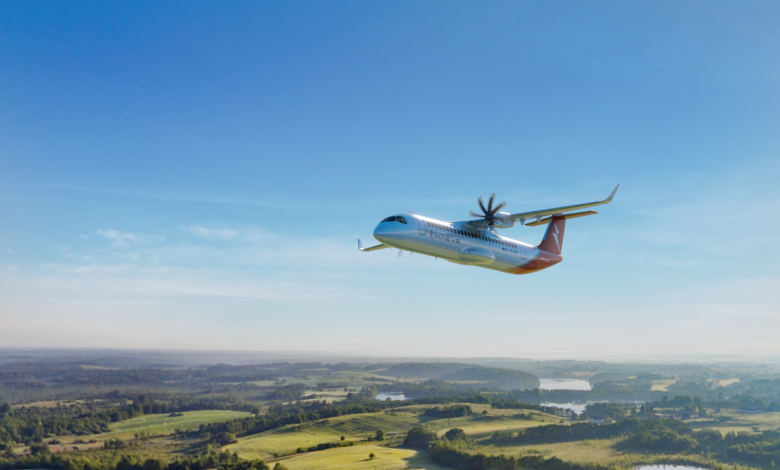
Maeve Aerospace’s M80 concept takes the best of both worlds, turboprop and regional jet, in a bid to decarbonize without sacrificing speed, cost, comfort, or efficiency.
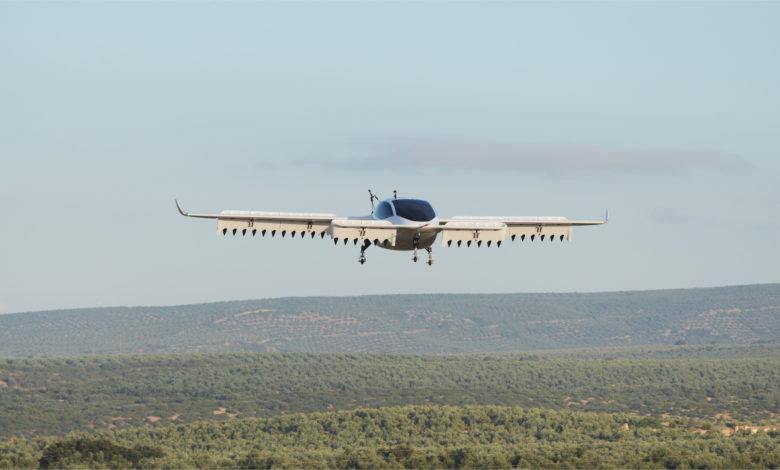
Lufthansa, one of Europe’s largest airlines, previously launched an initiative aimed at slashing its carbon emissions in half by 2030.
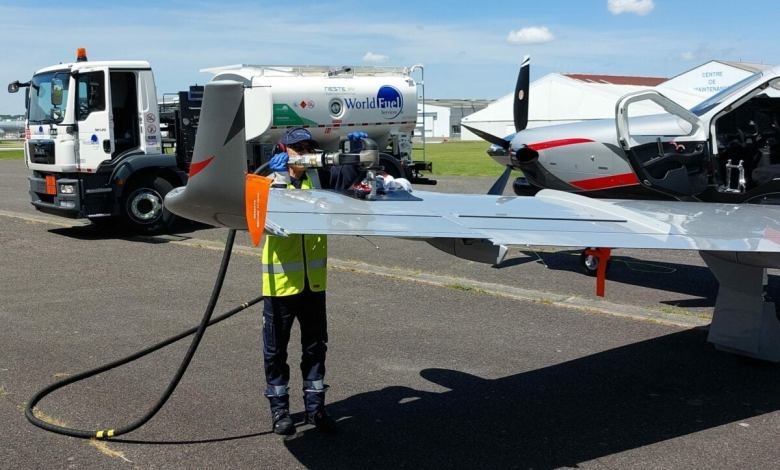
Companies such as Gulfstream, Daher, and others are working with Neste, Avfuel, and World Fuel Services—even airlines—to connect the business aviation fleet with sustainable aviation fuel.
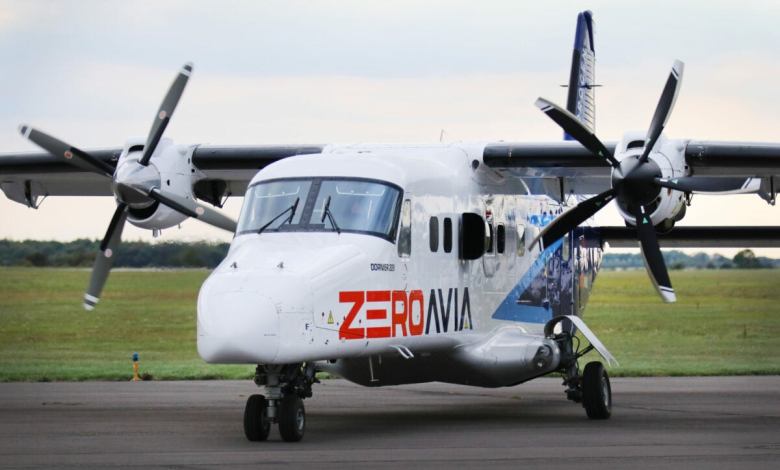
Under the agreement, the European airport operator and ZeroAvia will explore developing hydrogen fuel infrastructure and launching zero-emission routes.

Company aims to use a modified A380 equipped with hydrogen fuel tanks as a test platform.
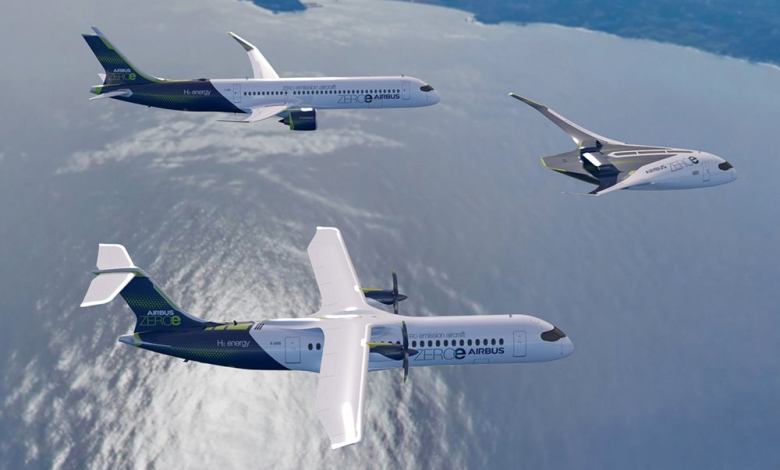
The aviation industry is strongly considering the zero-emission alternative—but does it really help the environment?

Get the latest stories & special offers delivered directly to your inbox.
SUBSCRIBE