Register

Everything Explained

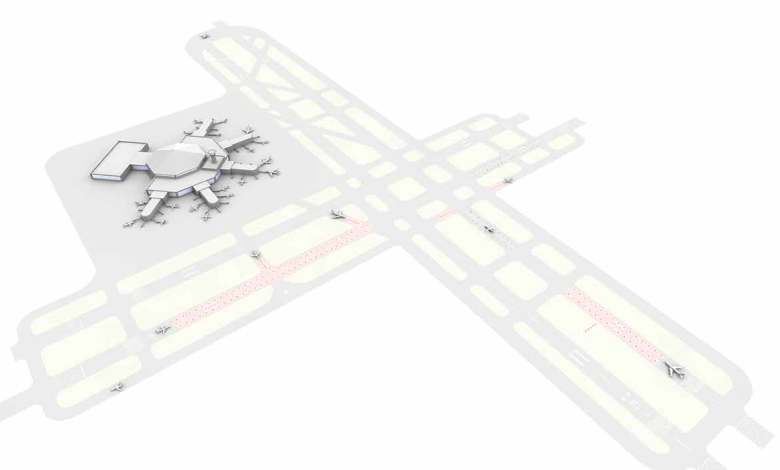
Everything Explained: Runway Status Lights

Red runway status lights used at large U.S. airports such as Chicago O’Hare International and JFK indicate runway status, thereby increasing situation awareness for pilots and vehicle operators. The lights are set in-pavement and illuminate when it is unsafe to enter, cross or begin takeoff. Status lights operate automatically with input from surface and terminal […]

Read More »

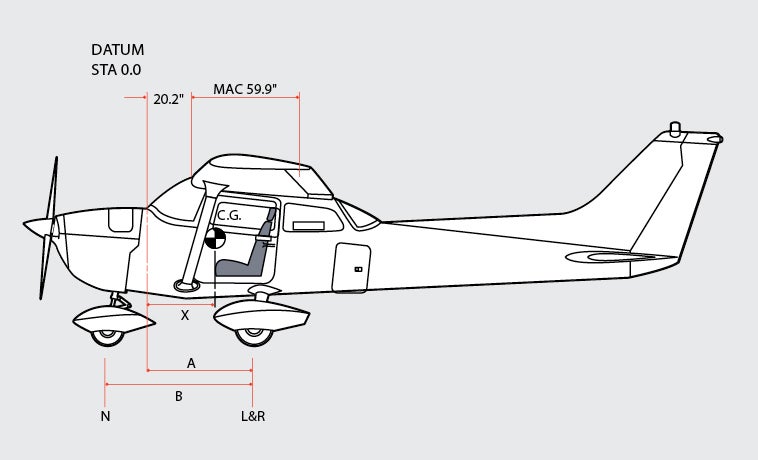
Everything Explained: Weight and Balance

Empty Weight Empty weight is defined as the total weight of an aircraft including all fixed ballast, unusable fuel, undrainable oil, total quantity of engine coolant and total quantity of hydraulic fluid, and excluding crew, payload, usable fuel and drainable oil. Basic Operating Weight (BOW) Total weight of the aircraft, including crew, ready for flight, […]

Read More »

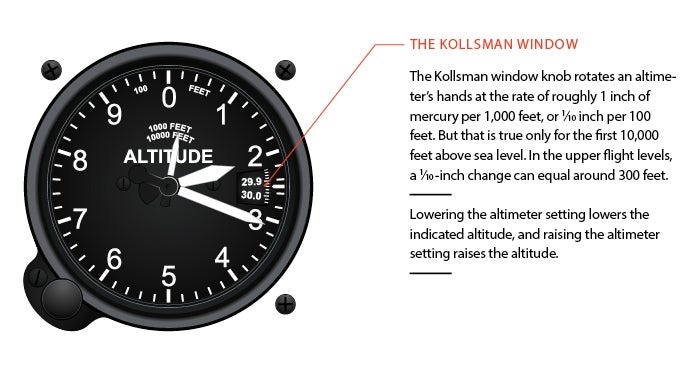
Everything Explained: All About Altitude

Pressure Altitude Density Altitude Example: Pressure altitude = 6,000 feet Outside air temp = 13 degrees C ISA (@ 6,000 feet) = 3 degrees C {from rule of thumb: (-2 degrees x each 1,000 feet msl) + 15 = ISA} (13 – 3) x 120 + 6,000 = 7,200 feet density altitude Indicated Altitude True […]

Read More »

Everything Explained: Crossing Restrictions

POINTS TO PONDER: The guiding principle of a crossing restriction is that the last ATC clearance has precedence over the previous clearance. When the route or altitude is amended, the controller will restate altitude restriction. “If altitude to maintain is changed or restated, whether prior to departure or while airborne, and previously issued altitude restrictions […]

Read More »

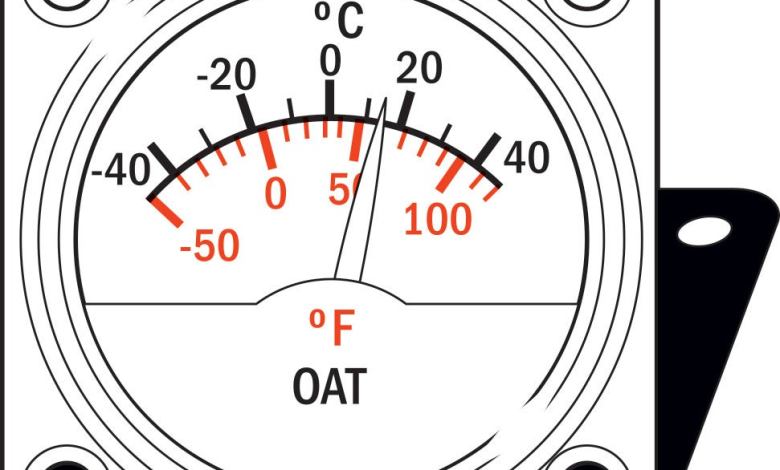
Air Temperature Explained

1. SAT — Static air temperature (sometimes called true air temperature) is the temperature of undisturbed air; that is, the temperature you would read if you could suspend a thermometer out in the air without having the effects (temperature rise) of an airplane moving through the air nearby. In jets, SAT (aka OAT) is determined […]

Read More »

Aircraft Speed Limits Explained

Speed Limits: In the United States — Mach 1 10,000 feet msl or above — Unrestricted (but not more than Mach 1) Below 10,000 feet msl — 250 kias Class B airspace — Unrestricted at or above 10,000 feet msl, 250 kias below 10,000 feet msl Beneath Class B or in VFR corridor through Class […]

Read More »

What to Do If You Lose ATC Contact on an IFR Flight

In VFR Conditions: Squawk — 7600 Continue flight VFR at a VFR altitude (even in Class A airspace) and land as soon as practicable at the nearest suitable airport. Do not continue to your destination if there is a suitable airport for you to land at unless you’re just minutes from your original destination. Flying another […]

Read More »

Everything Explained: How to Cancel an IFR Flight Plan

Every pilot has a plan. But if it’s an IFR flight plan, canceling that plan is not always as simple as just saying the magic words. Here are the points you should consider before canceling IFR. You may cancel IFR with ATC at any time in VFR conditions below 18,000 feet. You may cancel with […]

Read More »
Pilot in aircraft
Sign-up for newsletters & special offers!

Get the latest stories & special offers delivered directly to your inbox.

SUBSCRIBE