









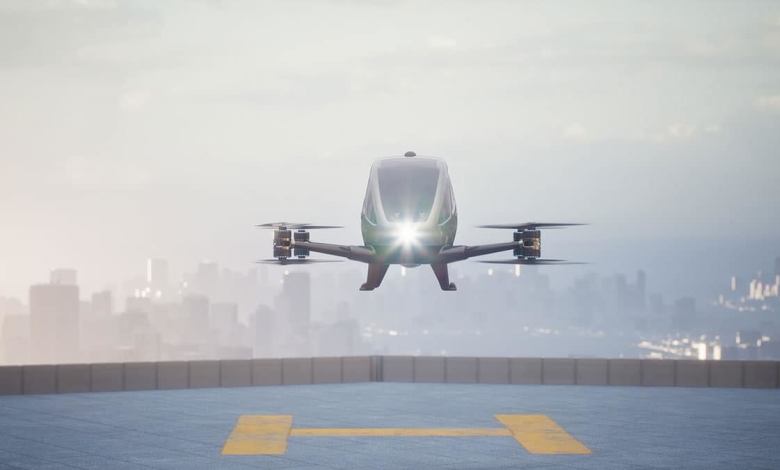
Embry-Riddle Partners to Prepare Cities for Self-Flying Aircraft, Air Taxis
The country’s premier aviation and aerospace academy is working with the newly formed Advanced Air Mobility Association (AAMA) to create blueprints for integration.


The country’s premier aviation and aerospace academy is working with the newly formed Advanced Air Mobility Association (AAMA) to create blueprints for integration.
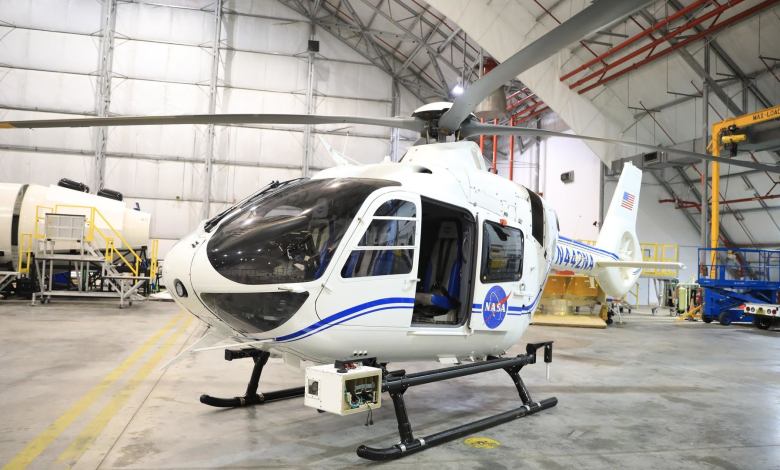
The space agency’s AIRVUE project uses cameras and sensors to collect information on obstacles in the environment, compiling it into a massive database.
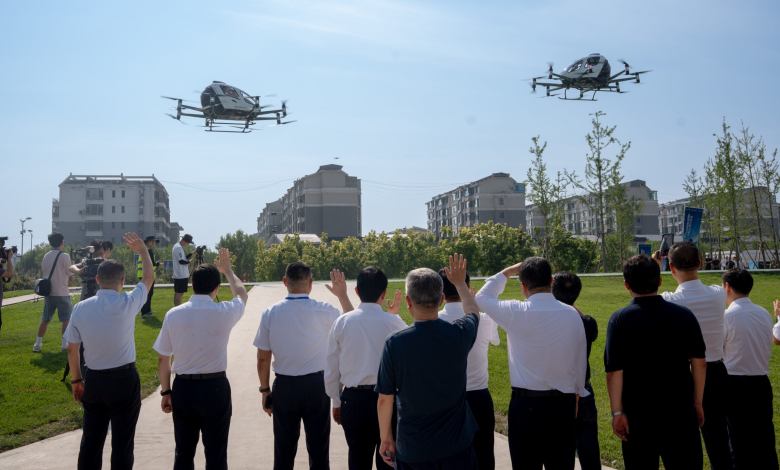
The Chinese electric vertical takeoff and landing air taxi manufacturer delivers five aircraft to Xishan Tourism.
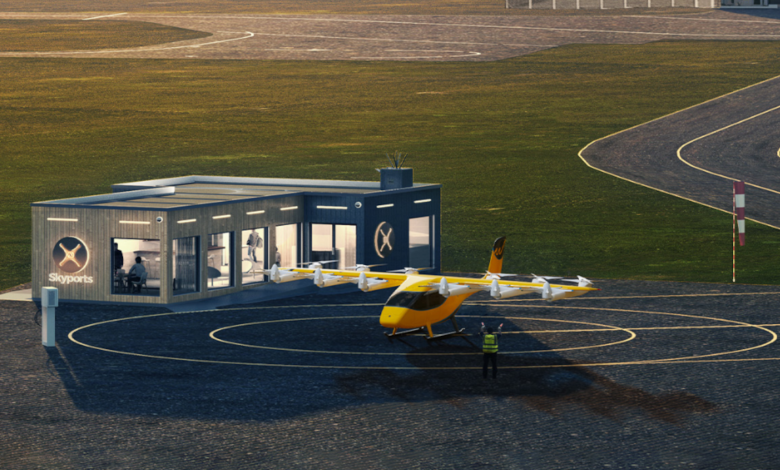
The electric vertical takeoff and landing (eVTOL) air taxi manufacturer is working to develop a network of vertiports in time for the 2032 Olympics in Brisbane, Australia.
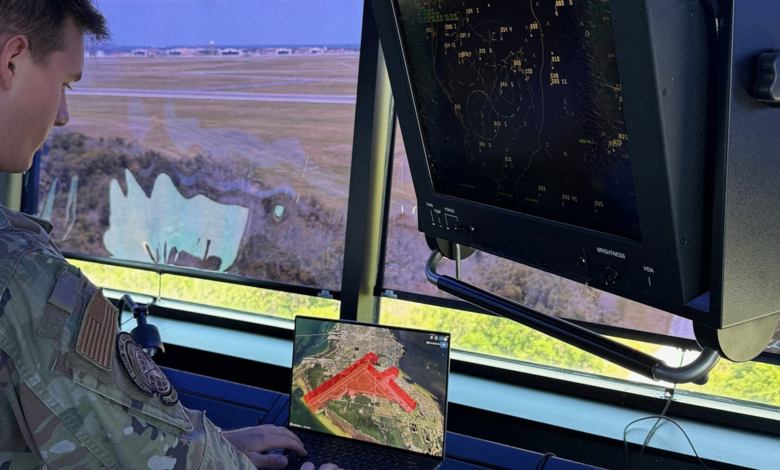
The Air Force Research Laboratory is studying ways to integrate flights of uncrewed aircraft systems (UAS) at bases nationwide.
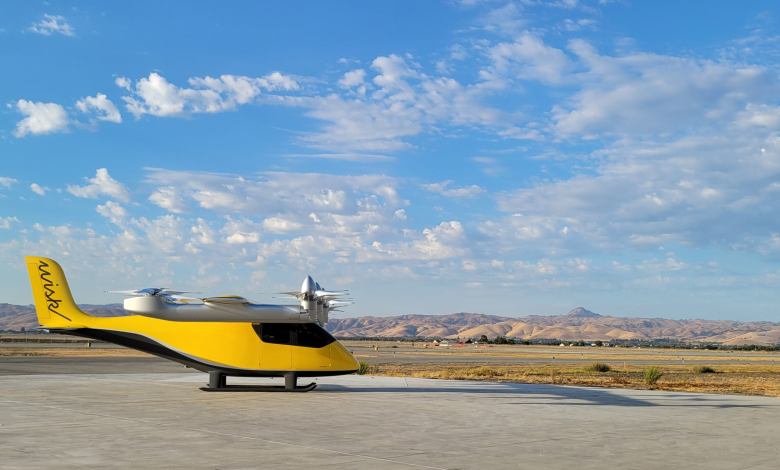
The acquisition is intended to speed up the certification process for Wisk’s self-flying Generation 6 electric vertical takeoff and landing (eVTOL) air taxi.
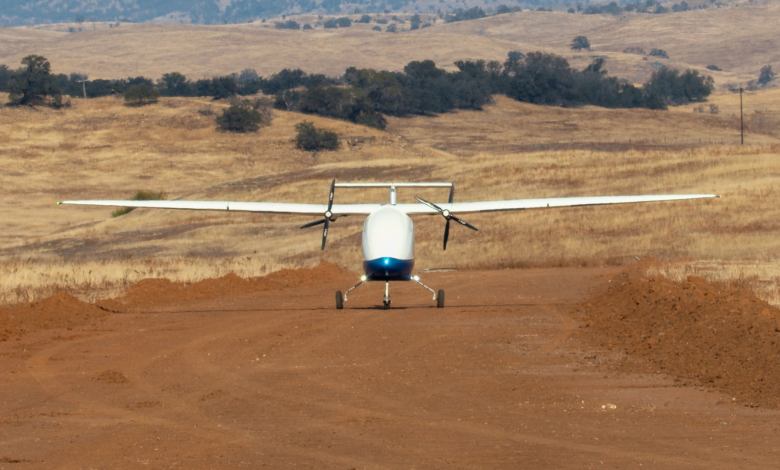
The partners are modifying Pyka’s flagship Pelican Cargo aircraft, an uncrewed, fully electric drone, for use by DOD customers.
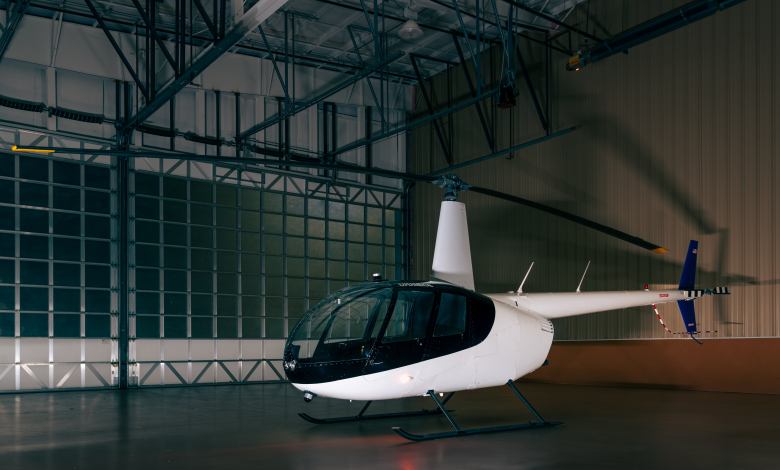
The company is building two of the autonomous aircraft for crop-dusting customers.
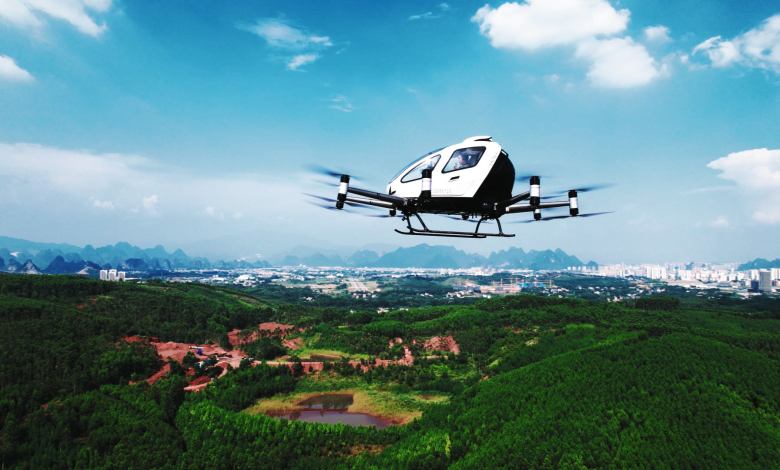
The Chinese firm wrapped up flight-testing for China’s Civil Aviation Administration and had its cloud software approved for trials.
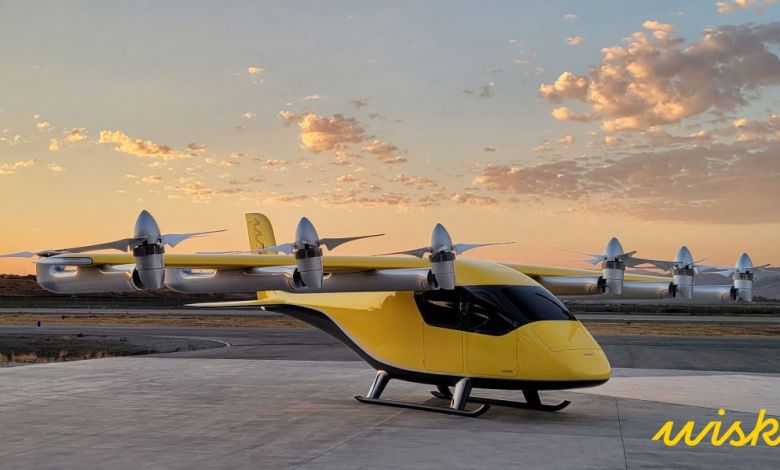
The companies seek to deploy autonomous eVTOL aircraft into Japanese airspace.

Get the latest stories & special offers delivered directly to your inbox.
SUBSCRIBE