









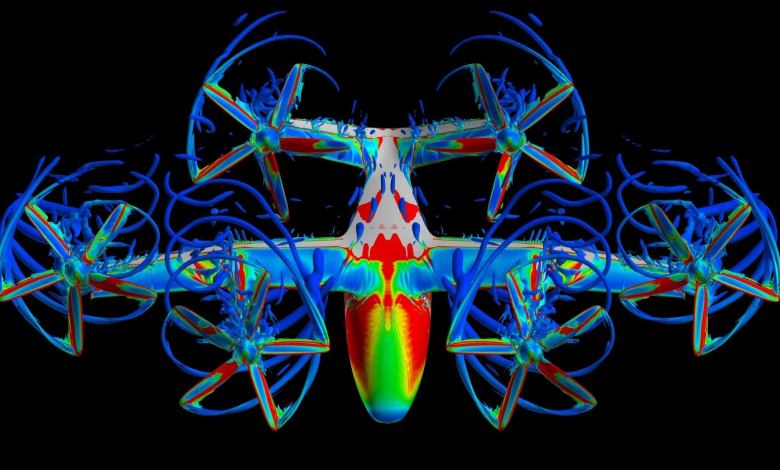
Electric Air Taxi Manufacturers Turn to NASA to Model Noise
NASA’s Overflow computer program predicts how air will behave around the aircraft, giving manufacturers insight into potential noise during operations.


NASA’s Overflow computer program predicts how air will behave around the aircraft, giving manufacturers insight into potential noise during operations.
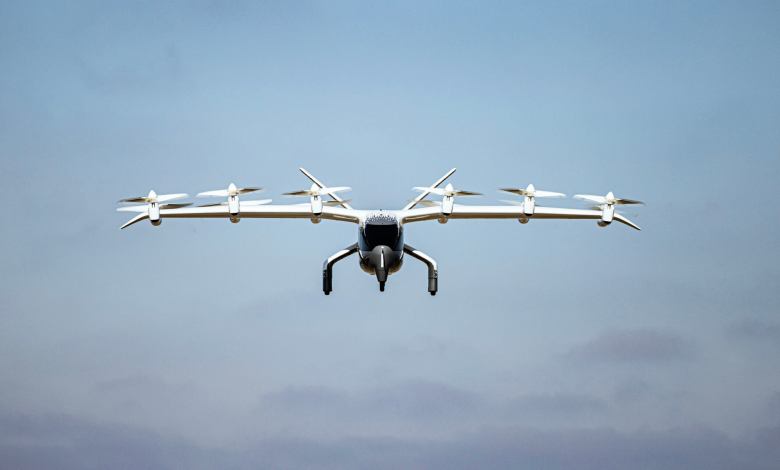
The evaluation is designed to verify the pack can withstand the impact of a crash from 50 feet, which could cause the battery to leak, catch fire, or explode similar to a fuel tank.
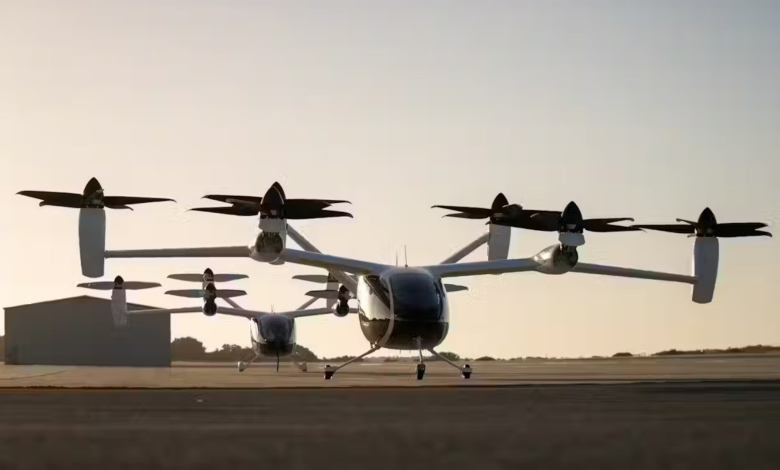
The electric vertical takeoff and landing (eVTOL) manufacturer has now committed a total of four aircraft to U.S. Department of Defense sites.
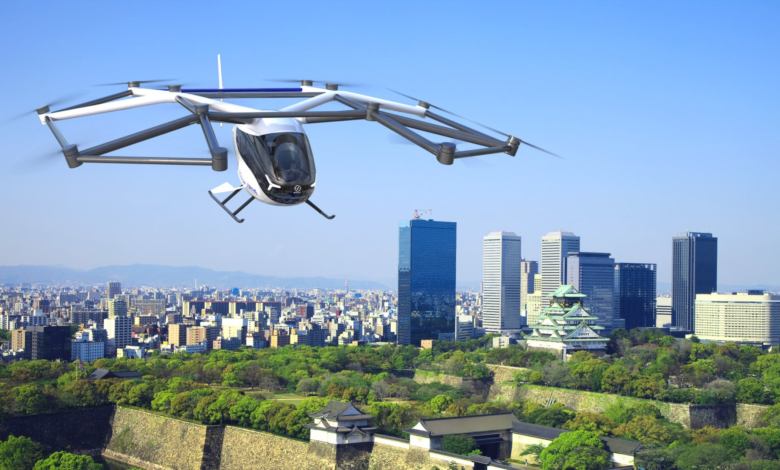
The company is also eyeing a pair of airports in South Carolina to bolster its network in the U.S., where it intends to launch operations as soon as 2026.
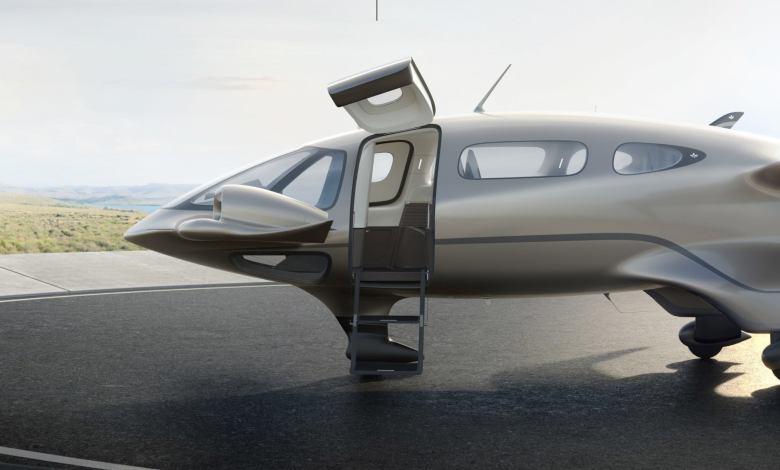
The electric jet manufacturer says Atlantic operates sites at more than 30 airport locations within its planned U.S. launch markets, which include Florida and Texas.

Vertiports will connect the two cities with estimated 30-minute flights, a fraction of the two hours it can take to drive between them during peak traffic.
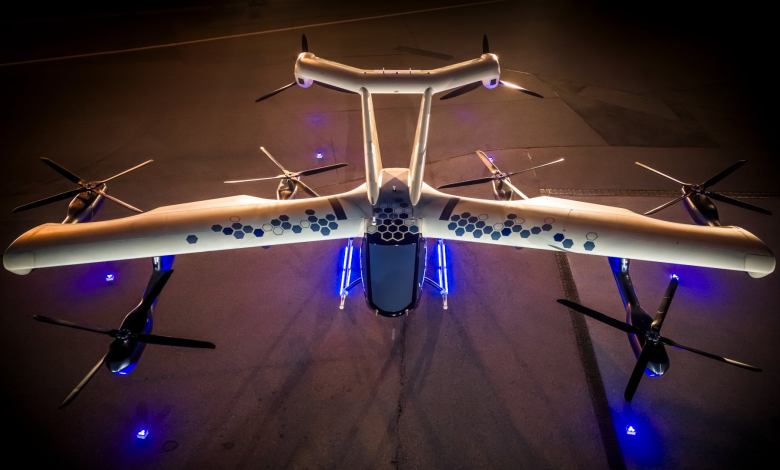
The manufacturer releases new photos and video of the CityAirbus NextGen, a four-seat eVTOL design for passenger transport, medical services, ecotourism, and more.
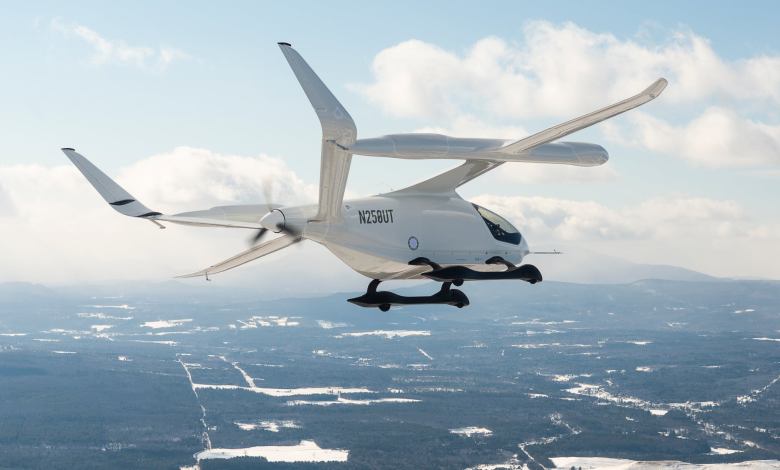
The partners have already installed a system at Manchester-Boston Regional Airport, with plans to add Frederick Municipal Airport and Charlottesville-Albemarle Airport.
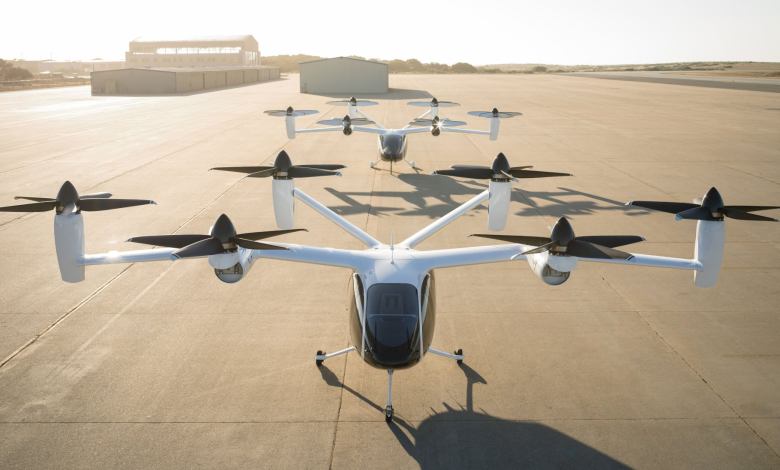
The manufacturer called the acquisition the “first step” of its plan to build a facility capable of churning out 500 air taxis per year in 2025.

The two-seat eVTOL, designed for personal ownership, government agencies, and emergency services, is expected to begin test flights by the end of 2024.

Get the latest stories & special offers delivered directly to your inbox.
SUBSCRIBE