














Smoke-Filled 737 Max Aircraft Prompt FAA Review

New takeoff instructions could direct pilots to turn off airflow from the engines into the cabin.

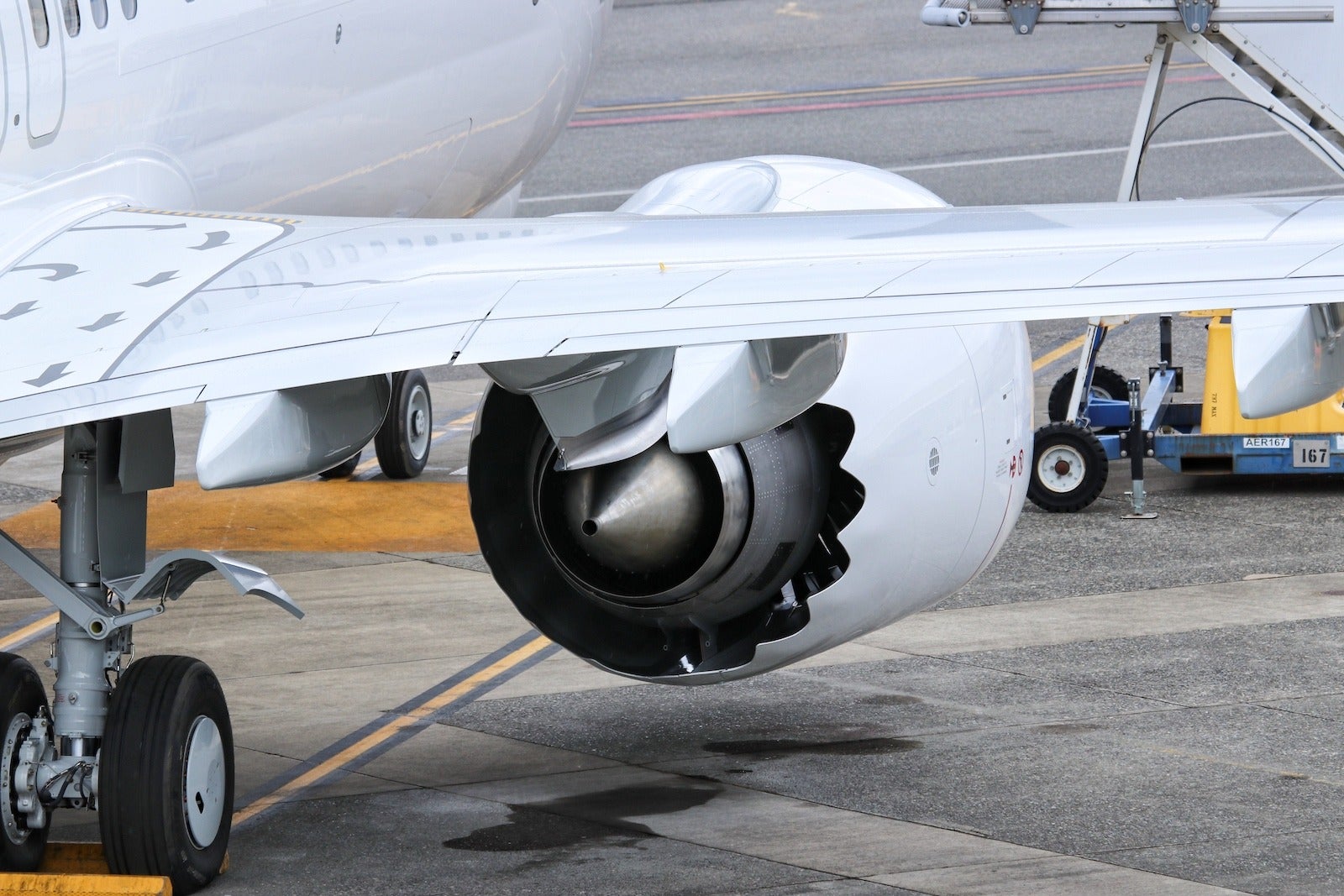
A CFM LEAP-1B engine on a 737 Max [Credit: AirlineGeeks | Katie Zera]
Gemini Sparkle

Key Takeaways:

  • The FAA is considering new temporary takeoff instructions for Boeing 737 Max pilots, requiring them to turn off engine airflow ("bleed air") to prevent smoke from entering the cabin or cockpit after a bird strike.
  • This measure follows two recent incidents where bird strikes caused smoke in the cabin and led to emergency landings of 737 Max jets.
  • Although the FAA does not consider it an "immediate flight-safety issue," a permanent solution from Boeing could further delay the certification of the Max 7 and Max 10 models.
See a mistake? Contact us.

The FAA is considering new takeoff instructions for pilots of Boeing 737 Max jets to prevent smoke from entering the cabin or cockpit if a bird flies into the engine.

According to a Seattle Times report, pilots would be required to turn off the airflow that links the main engines to the aircraft’s interior if new instructions were approved. The report stated the temporary solution would be in effect until Boeing issues a permanent fix, and that could further delay the certification of Boeing’s already delayed Max 7 and Max 10 models.

Referred to as “bleed air,” airflow from an aircraft’s engines is usually moved into the cabin through air conditioning to control air pressure and temperature inside. The Seattle Times report stated that turning off this airflow from the engines will reduce cabin pressurization, though the auxiliary power unit in the aircraft’s tail will still keep some pressurization.

In March 2023, a bird flew into the engine of a Boeing 737 Max 8 during takeoff from Havana to Fort Lauderdale, Florida. Video of the incident showed smoke filling the cabin of the aircraft, which promptly made an emergency landing back in Havana.

Late last year, a similar incident occurred on another 737 Max 8 flight traveling from New Orleans to Tampa, Florida. This flight also made an emergency landing back at the New Orleans airport.

On Friday, the National Transportation Safety Board (NTSB) posted on X that it had opened an investigation into the Southwest Airlines left engine bird strike that caused smoke to enter the cockpit near New Orleans.

Not an ‘Immediate’ Safety Issue

The FAA told AirlineGeeks in an emailed statement that the agency is addressing the CFM LEAP-1B engine issue through its standard continued operational safety process. This includes close collaboration with Boeing, CFM, and the European Union Aviation Safety Agency (EASA).

“We will convene a Corrective Action Review Board in the coming weeks to examine the data and develop a path forward,” the FAA said in its statement. “The FAA determined this is not an immediate flight-safety issue.”

The FAA review comes after two incidents forced the emergency landings of two 737 Max jets flying for Southwest.


Editor’s Note: This article first appeared on AirlineGeeks.com.

Caleb Revill

Caleb Revill is a journalist, writer and lifelong learner working as a Junior Writer for Firecrown. When he isn't tackling breaking news, Caleb is on the lookout for fascinating feature stories.

Ready to Sell Your Aircraft?

List your airplane on AircraftForSale.com and reach qualified buyers.

List Your Aircraft
AircraftForSale Logo | FLYING Logo
Pilot in aircraft
Sign-up for newsletters & special offers!

Get the latest stories & special offers delivered directly to your inbox.

SUBSCRIBE

