













Register

Shooting The Gap

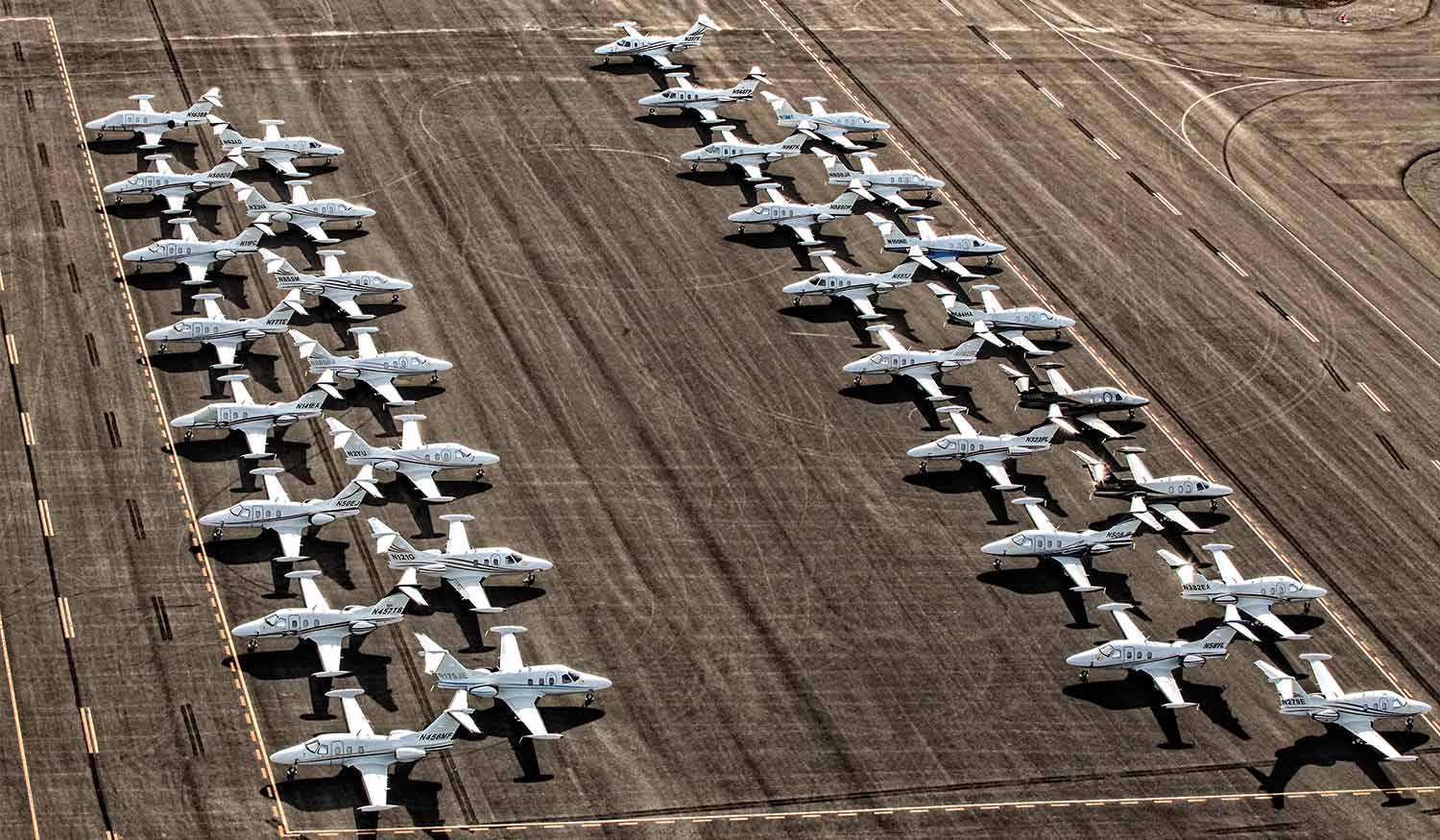
Attendees flew nearly 50 Eclipse jets to the annual owners meeting last year in Coeur d'Alene, Idaho. EJOPA
Gemini Sparkle

Key Takeaways:

  • Attempting to fly through narrow gaps in hazardous weather ("shooting the gap") is extremely risky, frequently leading to severe turbulence and spatial disorientation, as illustrated by a fatal accident.
  • Even when a pilot rationalizes a clear path or believes they have exited precipitation, unexpected turbulence can still occur on the "back side" of storms.
  • In-cockpit weather radar, like Nexrad, has significant limitations, including potential outdated data and the inability to depict turbulence, making it an unreliable tool for safely navigating close to thunderstorms.
  • The safest strategy for pilots facing adverse weather is to avoid it entirely, even if it means substantial detours or delaying the flight by landing and waiting for conditions to clear.
See a mistake? Contact us.

Poor weather has always topped my list of potential aviation hazards. But after earning the instrument rating, I was much more willing to go out and tackle low ceilings and visibility, which inevitably led to poking around thunderstorms and frontal activity. I quickly learned there were no iron-clad rules or procedures for safely penetrating them and that the best strategy was to remain in visual conditions and avoid getting too close.

Every now and then, however, I was sorely tempted to poke through a narrow gap between storms. Invariably, doing so “violated” the FAA’s admonition to remain at least 20 miles away from such weather. But, I rationalized, if I could see through the gaps to blue sky on the other side, how bad could it be?


Ready to Sell Your Aircraft?

List your airplane on AircraftForSale.com and reach qualified buyers.

List Your Aircraft
AircraftForSale Logo | FLYING Logo
Pilot in aircraft
Sign-up for newsletters & special offers!

Get the latest stories & special offers delivered directly to your inbox.

SUBSCRIBE