









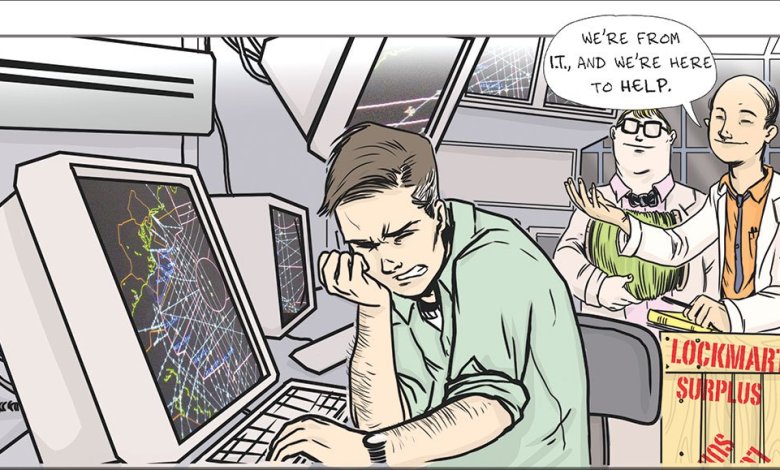
Nexgens Missing Link
For an industry where speed is measured in hundreds of knots, changes in technology do not arrive quickly or easily to aviation.


For an industry where speed is measured in hundreds of knots, changes in technology do not arrive quickly or easily to aviation.

As I write this editorial, the pilot community is buzzing with the news that Aeronav (a.k.a., the government chart folks) is going to start charging for the digital chart downloads after April 5, 2012. Well cover the fallout of this for IFR pilots in the next issue, as much of that fallout hinges on a meeting that wont happen until after we go to press.
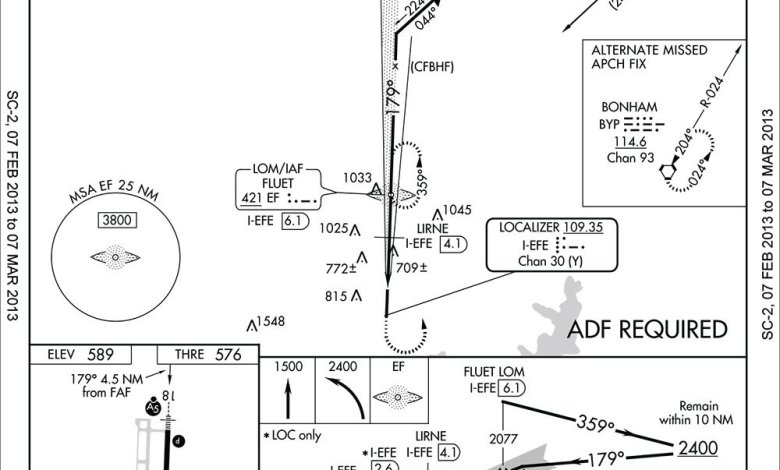
Where’s the Runway?In December’s Readback, reader Mark Spencer asked about localizer offsets. In the answer, you said the offset value is not published for LDA approaches. That’s true for now. However a change to policy for the FAA will require charting the amount of offset for any ILS, LOC, MLS, LDA, LDA w/GS, RNP, LPV, […]
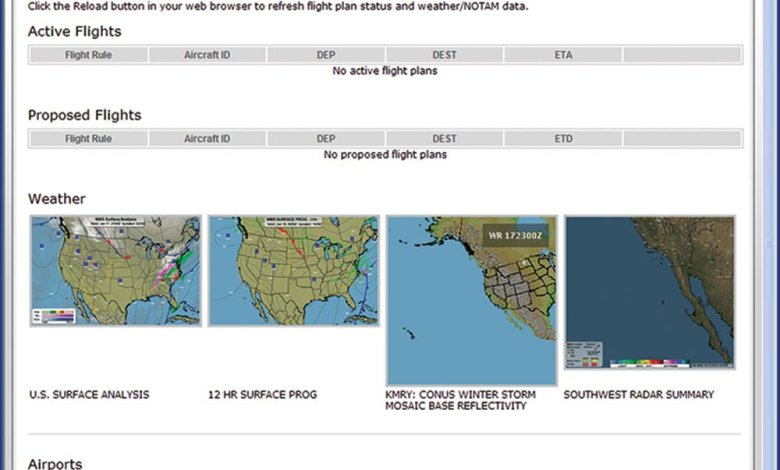
At the AOPA Summit in October 2012 Lockheed Martin had a large and impressive display to announce the rollout of Flight Services (LMFS). Sigh…another flight planning app. Why bother? We took a look and concluded that the site has a lot to offer, but a lot to improve. telephone. Quickie BriefingWe particularly liked the feature […]
The FAA told air traffic controllers to stop using a procedure that allows airplanes to land and take off in the opposite direction from normal, after a mix-up with three commuter jets in Washington on July 31. The FAA didnt blame the incident on the procedure, however, saying it was due to a communication lapse between Reagan Tower and Potomac Approach. Acting FAA administrator Michael Huerta emphasized that, At no time were the aircraft on a head-to-head course and the aircraft remained at different altitudes.
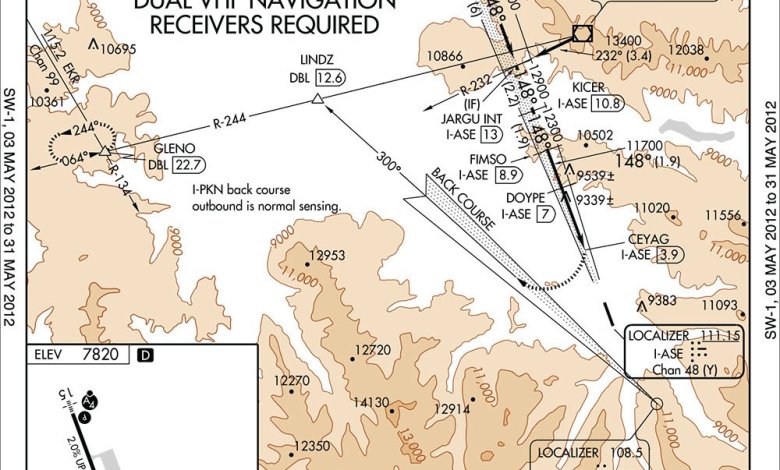
Recently during an approach to an uncontrolled airport, I asked the Approach controller for a telephone number I could use to contact Approach directly if necessary after landing to cancel the IFR clearance. I am the chief instructor at a busy 141 flight school. I have been flying for over 40 years. I get a […]
Under the Unleaded Avgas Transition-Advanced Rulemaking Committee (ARC)s recommendations, it will be at least 11 years before a suitable replacement (or replacements) for 100LL is approved. Total cost could reach $73 million with $60 million having to be approved by Congress. Despite the many pitfalls outlined in the report, the authors try to strike a hopeful tone: We are in fact very encouraged that a satisfactory solution will be deployed in a timely manner and…
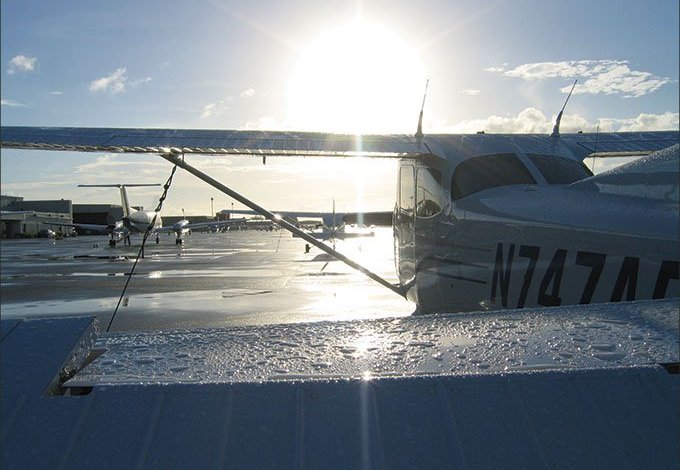
Every pilot is inspired to fly for different reasons—personal and technical challenge, freedom and new perspectives, civilian or military professional career paths. During my flight training and active flying, I calculated weight and balance and plotted cross countries on a daily basis. It was nothing to bang out wind correction angles, fuel burn, and time […]
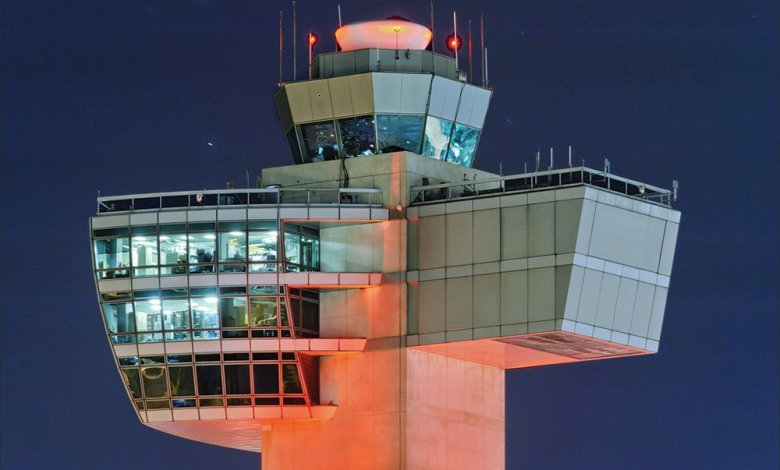
Just as we put this issue to bed, the US legislature passed a bill funding ATC by allowing the FAA to raid our airport funds. We welcome the stay, but we fear politics and budgetary constraints may yet curtail ATC, so this article will help you be ready if/when the other shoe drops. —FB In […]
In aviation as in life, there are often multiple ways to accomplish a single task. I learned that lesson early in my training as a radar approach controller.

Get the latest stories & special offers delivered directly to your inbox.
SUBSCRIBE