Search Results for: DC-3

Features

Smile, if You Dare

In March 1997, our unit was going through recurrent ground school and reassembling from the lunchtime break when the former chief pilot walked in with a pale face and grimly announced to the room, Hey guys, the factory just had an accident. They were taking pictures and collided. They lost both aircraft and everyone on board.

The news hit us in the stomach. We all looked at each other with dismay. The aircraft collided during a photo shoot. Given the beauty of the DC-3s turboprop conversion, I could hardly blame them for wanting to take some airborne promotional pictures.

Witnesses saw the aircraft at approximately 500 feet to 700 feet agl flying close together headed north. The D…

Read More »
Features

Negative Charge

Its crucial to learn the right habits from your very first flights because they form the foundation of your skills for the rest of your flying career.

When the proverbial fertilizer hits the fan, people tend to revert to their earliest patterns of responses. The problem is, sometimes thats not the right response.

During a badly bounced landing for example, the pilot has very little altitude and airspeed to use in trying to execute a go around or other recovery. In most aircraft, a go-around requires bringing the nose up to about 5 degrees above the horizon and adding full power.

Thats apparently what the crew of a Twin Otter tried to do after a bounced landing. This tale isnt…

Read More »
Airmanship

Wheelie or Three?

Some tailwheel pilots believe there are two kinds of landings: wheel and three-point (also called full-stall landing, even though most pilots make them above stalling speed). But just as you dont see airshow pilots wheeling their high-performance mounts onto the runway, you dont see Ford Trimotors touching down on all three simultaneously.

For some taildraggers, theres only one kind of landing. Unfortunately, which kind of landing that is depends on both the pilot and the airplane, but more on the airplane.

The key to understanding tailwheel dynamics is to recall that the center of the airplanes gravity resides behind the main landing gear. This means that when the aircraft is dece…

Read More »
Features

Nowhere to Hide

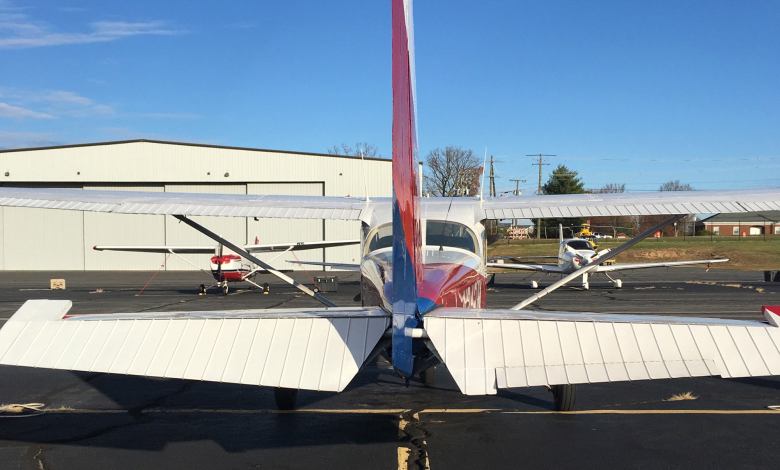
[IMGCAP(1)]If the lure of exploration is strong, those magazine pictures of the backcountry airstrips, such as those in the Northern Rockies, are an irresistible lure. Vast areas in the United States are designated as wilderness area and are accessible only by horseback, hiking, drift boat – or airplanes.

Most wilderness areas contain a system of airstrips ranging from nice grass airstrips with plenty of width and length to strips that are barely wide enough for the landing gear of a STOL aircraft. This is a very challenging aviation environment that must be flown by the right pilot, with the right equipment, training, experience and weather.

The safety margins are very thin in thes…

Read More »
General

Fun Back in Flying

The FAA has got it right this time with publication of its sport pilot and light-sport aircraft rules. These new rules finally recognize the crucial differences in the type of general aviation airplanes people want to fly, and how they want to use them. Categorizing airplanes and pilots by intended use is actually an old, […]

Read More »
Pilot in aircraft
Sign-up for newsletters & special offers!

Get the latest stories & special offers delivered directly to your inbox.

SUBSCRIBE