











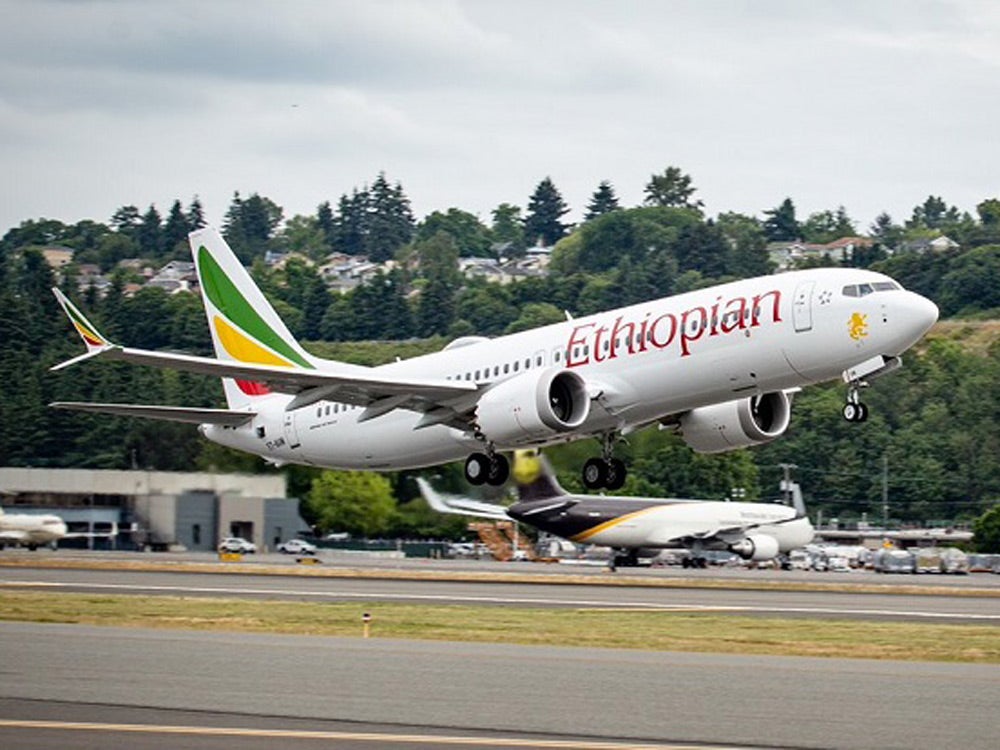
Resembling a military flight operations standdown, last week’s grounding of Boeing’s 737 Max 8 & 9 aircraft have given many parties a few moments to absorb a wealth of information already gathered and reflect on the best ways to move ahead while awaiting the FAA approval needed to allow those aircraft back into the air. All 737 Max aircraft operating in the U.S. were grounded last Thursday following an announcement from the White House that newly uncovered evidence seemed to prove similarities between last year’s crash of an Indonesian MAX 8 and last week’s crash of an Ethiopian Airlines 737 Max 8.
Safety Topics Emerge Following Grounding of Boeing’s 737 Max

Key Takeaways:
- The Boeing 737 Max 8 & 9 aircraft were globally grounded following two fatal crashes, with investigations focusing on similarities related to Boeing's flawed MCAS (Maneuvering Characteristics Augmentation System) design and analysis.
- Boeing's internal safety analysis of the MCAS system understated its power and failed to account for critical failure modes, including its activation based on input from a single sensor.
- The FAA is under intense scrutiny for potentially delegating excessive safety oversight to Boeing during the 737 Max certification process, raising concerns about the agency's "gold standard" reputation.
- All grounded aircraft await a software patch from Boeing and subsequent re-approval from regulatory bodies, with no set date for return to service.
Key takeaways sponsored by Aviator Pro | Start Your Training ->
See a mistake? Contact us.

