











I recently rented a Cherokee for a short flight. When I went up to the rental office, I was handed the book for the plane containing all of the pertinent information particular to it. On the books cover I found a notice stating in large bold print: “After flight please 288
Rock The Prop?
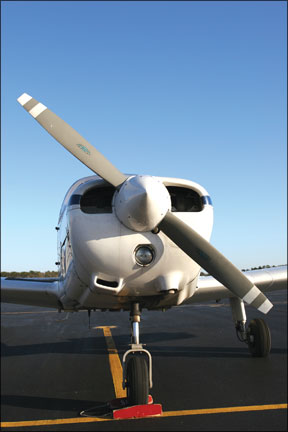
I recently rented a Cherokee for a short flight. When I went up to the rental office, I was handed the book for the plane containing all of the pertinent information particular to it. On the books cover I found a notice stating in large bold print: "After flight please place the propeller in the vertical position." I understand the reasoning behind that request is to signal fuel truck drivers to fill the tanks of any aircraft with a vertical propeller. One of the very first things I do as a renter after opening the door of an airplane I intend to fly is to make certain all switches are in their proper place. Afterward, I begin the in-cockpit portion of my pre-flight: Engage the battery to ensure all lights and beacons are working.

Key Takeaways:
- The author encountered a rental aircraft policy requesting pilots to position the propeller vertically after flight to signal for fuel service.
- He views this practice as extremely dangerous due to the potential for a "hot magneto."
- A hot magneto, possibly from a loose p-lead, could cause the engine to unexpectedly start when the propeller is moved, risking severe injury or death.
Key takeaways sponsored by Aviator Pro | Start Your Training ->
See a mistake? Contact us.

