Relaying One Pilot’s Cautionary Tale

Imagine the terror of losing control of an airplane moments after takeoff.

[Illustration: Joel Kimmel]
Gemini Sparkle

Key Takeaways:

  • An experienced pilot survived a severe airplane crash on August 19, 2024, when his recently restored Piper Super Cub unexpectedly rolled uncontrollably shortly after takeoff, leading to extensive injuries.
  • The NTSB investigation concluded the probable cause was a loss of lateral control due to water accumulation in the wings, discovered during his extrication from the wreckage.
  • This critical issue arose because mandated drain grommets, necessary to prevent water buildup and specified by the aircraft's restoration STC, were never installed, prompting the pilot to advocate for heightened aviation safety awareness.
See a mistake? Contact us.

On August 19, 2024, I experienced an airplane crash that will forever shape my life.

With nearly 15 years of flying experience, primarily in Cessnas, I had spent years owning and frequently flying throughout the remote backcountry of Idaho. It’s an amazing state that offers pilots incredible flying opportunities throughout its vast and varied landscapes.

This Article First Appeared in FLYING Magazine

If you're not already a subscriber, what are you waiting for? Subscribe today to get the issue as soon as it is released in either Print or Digital formats.

Subscribe Now

Eventually, I sold my beloved Cessna taildragger and fulfilled my goal by purchasing a Piper PA-18 Super Cub. This airplane had been completely restored a year earlier with every available supplemental type certificate (STC) by a highly experienced, reputable company. It was a beautifully restored aircraft that was a dream come true.

On the weekend of August 17-18, my family and I enjoyed a delightful weekend in Island Park, Idaho. The weather was perfect, with warm temperatures and clear skies, making it an ideal time for outdoor activities and relaxation. By Sunday evening, cooler temperatures started to settle in, signaling an impending shift in the weather.

 Around 7 p.m. MDT, I returned to my airplane to begin my flight home. However, as I prepared for departure, I noticed a massive storm rapidly approaching eastern Idaho. Its intensity and speed made it clear that attempting to fly home that evening would be unsafe. Prioritizing safety, I made the prudent decision to delay my flight. I called my wife to inform her of the situation and decided to wait until the following morning to fly home.

 As the evening progressed on August 18, the anticipated storm front arrived with full force. By 8 p.m., the rain began to fall steadily, and it continued until shortly after 4 a.m. the next morning. The storm was accompanied by a spectacular display of thunder and lightning. The intensity of the storm woke me multiple times throughout the night, each time reminding me that I had made the right decision to stay.

 By the time morning arrived on August 19, the storm had passed, leaving behind a beautiful landscape. The temperature was a crisp 54 degrees Fahrenheit, and the sky was a brilliant blue without a cloud in sight. It was the kind of morning that pilots dream of—perfect flying conditions that promised a smooth and enjoyable flight.

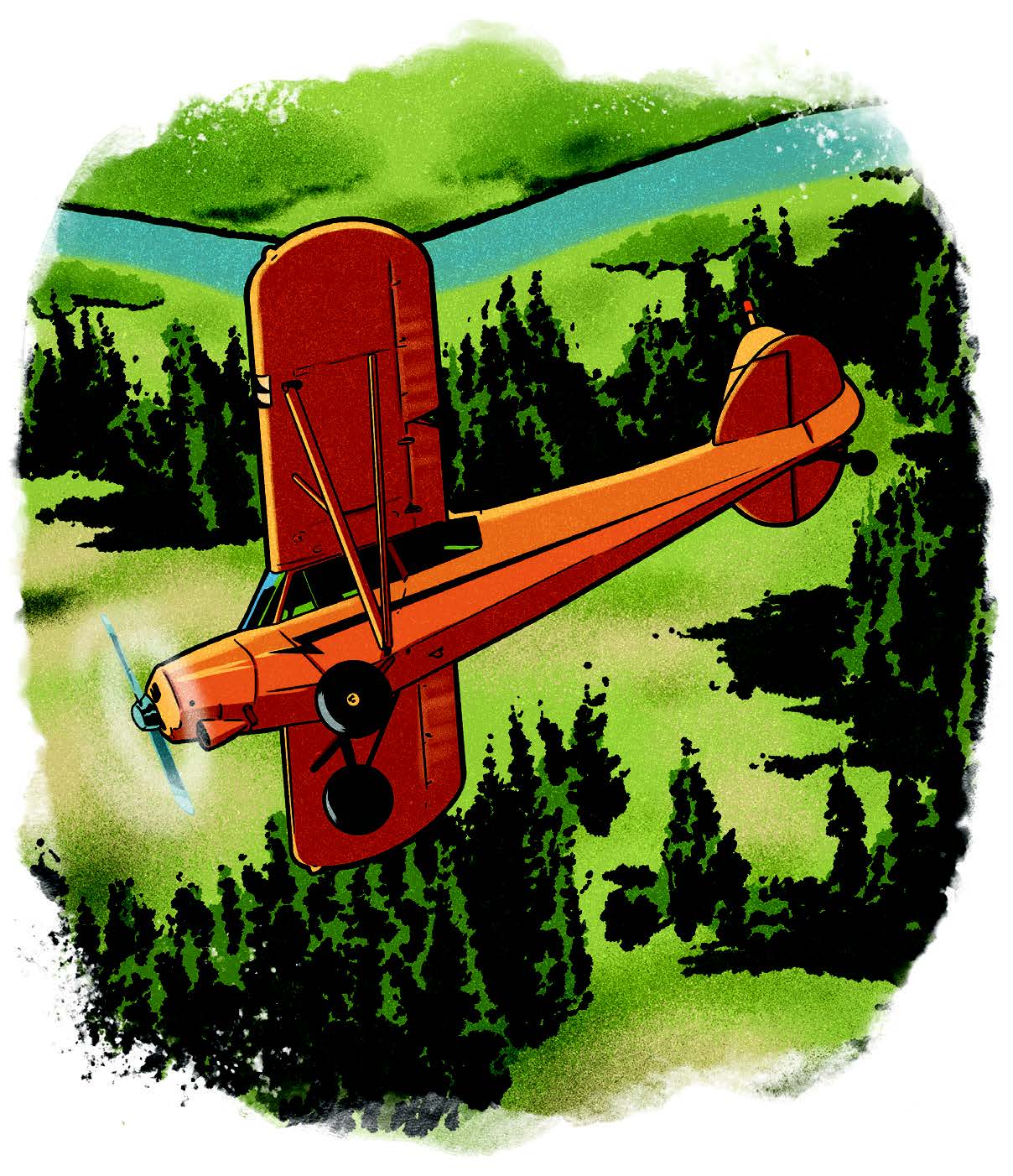
 After packing up and performing my preflight check, I meticulously went through my checklist and waited for the engine oil to reach the correct temperature. I taxied over, finished my run-up, and then pushed the throttle forward in my 1979 Super Cub. Within a few seconds, I pushed the stick forward to lift the tail, providing better visibility down the strip. Shortly after taking off and as I started my initial climb, I noticed the airplane started to roll to the right.

 Despite my efforts to correct the situation, it continued to roll uncontrollably. The more it rolled, the faster it seemed to accelerate, defying all my attempts to stabilize it. In that moment, I vividly recall questioning whether there had been a failure in the flight control cables. Everything transpired so rapidly, yet I distinctly remember glancing out of my right window and seeing the small wire fence directly below, running parallel to the airstrip. Although I was only about 100 feet off the ground, the sight filled me with an overwhelming sense of terror.

 I was engulfed by a whirlwind of emotions—helplessness as the aircraft refused to respond to my input, dread as the ground loomed ever closer outside my window, and sheer terror as the reality of a crash became inevitable. I could feel the entire weight of the aircraft shifting around me. In that critical moment, I channeled every ounce of my strength and determination into controlling the aircraft until the very end. My hands and feet moved with a precision I didn’t know I possessed, as my mind raced through every possible solution. I recall the intense impact of the control stick hitting against my left leg amid the chaos.

 The airplane continued to roll and impacted the ground nose first. My last memory before the crash was of the sagebrush rushing up rapidly into view through the windshield—a sight that I may never be able to forget. The impact was so severe that it took nearly two hours for paramedics and firefighters to free me from the wreckage. They ended up having to disconnect the left wing of the airplane to create a clear path for my extrication. Their dedication and skill were instrumental, and I will always remain deeply grateful for their efforts.

 Once the wing was removed, rainwater began to pour out, revealing that water had penetrated the structure—this was the first clear indication of what had caused the crash. I was then airlifted to the hospital in Idaho Falls, where I remained unconscious for an extended period. Upon regaining consciousness, I was in excruciating pain as doctors drilled pins into my leg to provide traction and prevent it from slipping out of the hip socket.

 My hospital stay lasted nearly three weeks, during which I underwent intensive treatment for multiple severe injuries, including a shattered hip, broken pelvis, shattered ankle, two fractured vertebrae, and traumatic brain injury (TBI) with associated bleeding. The recovery process has been a very humble experience and marked by significant physical and emotional challenges.

 After returning home, I was still grappling with the reality of what had happened. Determined to understand the cause, I immersed myself in researching my airplane and delving into how water could infiltrate the wing. I found that it is somewhat common for airplane wings to get water in them, and that water needs to get out through drain grommets installed on the trailing edge of the wings. Essentially, these holes act to “bleed” water out of the interior of the wing.

 Although the STC for the Poly-Fiber used on my Piper PA-18 Super Cub mandated the installation of drain grommets, none were installed during the restoration process. Furthermore, no holes were burned through to allow water to escape from the wings. Upon discovering this oversight, I was utterly horrified. It was inconceivable that such a critical detail could be overlooked on a Super Cub, the quintessential bushplane. Neglecting to install drains in an aircraft specifically designed for backcountry flying seemed absurd and irresponsible.

 The National Transportation Safety Board (NTSB) has since concluded its investigation into my crash and finalized its report. Its findings determined that the probable cause of the accident was a loss of lateral control shortly after takeoff, attributed to the accumulation of water in the wings. This conclusion provided me with a sense of closure, as it confirmed the technical reasons behind the crash.

However, it also left me with a deep sense of frustration.

 The knowledge that such a preventable oversight led to the accident is profoundly disheartening. The NTSB’s report highlighted the critical importance of proper maintenance and adherence to safety protocols, underscoring the necessity of installing drain grommets to prevent water accumulation in aircraft wings. While the report validated my concerns and provided clarity, it also intensified my resolve to raise awareness about this issue within the aviation community.

 Regaining my strength and healing from my injuries has required immense time and effort. The aftermath of the crash left me grappling with severe mobility issues and the lingering effects of PTSD. The trauma of the event has been a constant companion, affecting both my physical capabilities and mental well-being. However, my determination to prevent others from experiencing a similar fate has been a driving force in my recovery.

 My story serves as a cautionary tale. Through increased awareness and education, I believe we can prevent similar accidents and enhance the overall safety of aviation. The unwavering support of my family, friends, and the aviation community has been invaluable, offering me the encouragement and motivation to keep moving forward. I remain hopeful and resolute in my determination to continue flying.

 Aviation has been a lifelong passion of mine, and I am hopeful that one day I will return to the skies with renewed safety and confidence, recapturing the joy of flying.


This column first appeared in the July Issue 960 of the FLYING print edition.

Scott Boling

Scott Boling is a lifelong aviation enthusiast, who has spent years flying all over the backcountry of Idaho with family and friends. He is always eager to share lessons learned and insights with fellow pilots.


Ready to Sell Your Aircraft?

List your airplane on AircraftForSale.com and reach qualified buyers.

List Your Aircraft
AircraftForSale Logo | FLYING Logo
Pilot in aircraft
Sign-up for newsletters & special offers!

Get the latest stories & special offers delivered directly to your inbox.

SUBSCRIBE