













Register

Readback—November 2024

Gemini Sparkle

Key Takeaways:

  • GPS spoofing, though rare, can be detected by sudden jumps in reported time and position, requiring verification with independent sources like a wristwatch or VOR/DME.
  • Professional pre-flight planning often includes making difficult but necessary "No-Go" decisions, and clear communication, such as using N numbers in non-towered airspace, enhances safety.
  • While specific regulations (e.g., FAR §91.503 for checklists) may not apply to all general aviation pilots, the common-sense practice of having checklists readily accessible is still paramount.
  • Complex instrument approaches can offer flexible navigation options, allowing pilots to choose between GPS-based (e.g., 4-NM legs) or conventional (e.g., 1-minute DME/LOC legs) methods for holds.
See a mistake? Contact us.

Spoofing Confusion

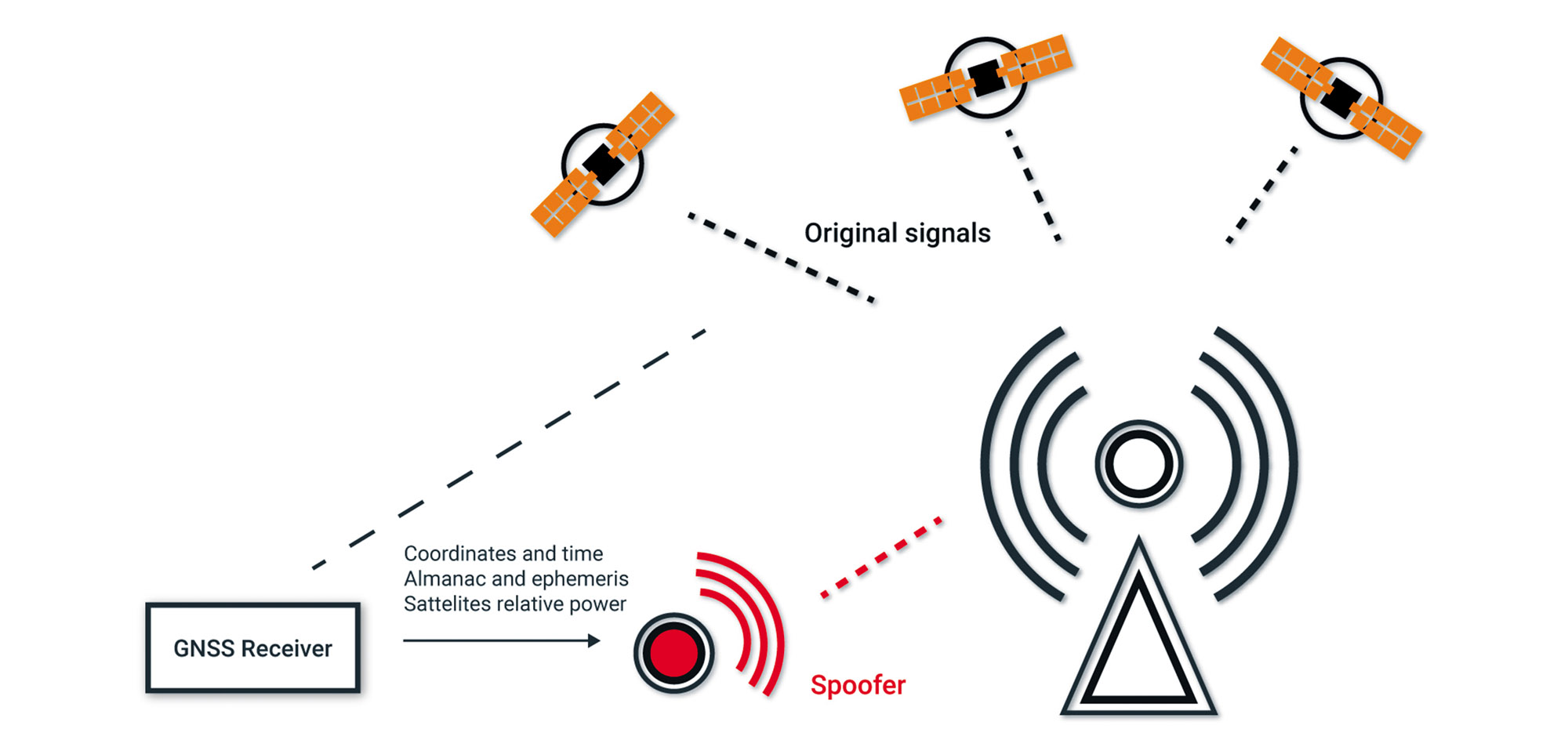
I enjoyed your “GPS Jamming, Spoofing” article in June 2024. Would you please expand on your comment that “GPS satellite spoofing attacks are often detected by a jump in the time reported from the GPS.”? 

Where would I check to see if there was a “jump in the GPS time”? Does that mean that the time shown on the GPS status page won’t match the current time? We currently have a WAAS-enabled Garmin GNS 530 but are planning to upgrade the entire panel in six months.


Ready to Sell Your Aircraft?

List your airplane on AircraftForSale.com and reach qualified buyers.

List Your Aircraft
AircraftForSale Logo | FLYING Logo
Pilot in aircraft
Sign-up for newsletters & special offers!

Get the latest stories & special offers delivered directly to your inbox.

SUBSCRIBE