













Register

Radar Contact: Dealing with Air Traffic Control Without A Transponder

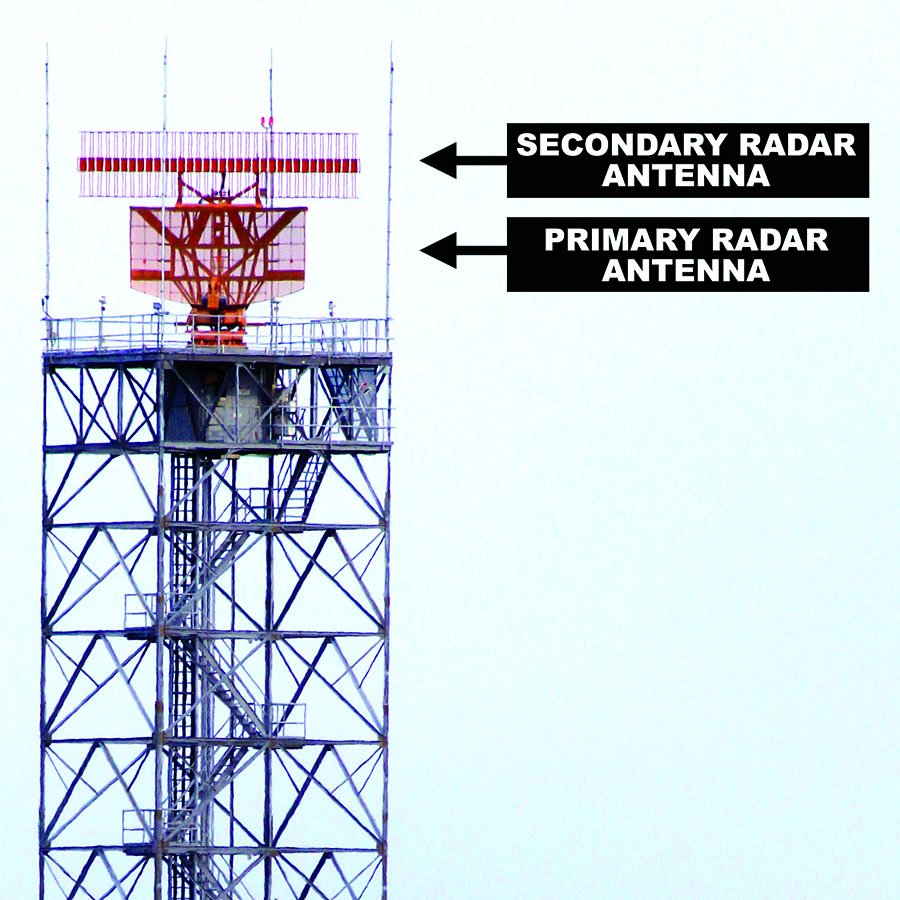
There are two types of radar used in air traffic control: primary and secondary. Primary is commonly referred to as skin paint. Radio waves shoot out from a rotating radar antenna, bounce off the skin of whatever they hit, and return to the antenna. These only determine a targets location via its range and bearing from the antenna. The distance that location changes in the time between antenna sweeps is used to calculate its speed.

Gemini Sparkle

Key Takeaways:

  • When an aircraft's transponder fails, Air Traffic Control (ATC) loses crucial secondary radar data like altitude and squawk code, requiring them to rely solely on primary radar for basic location.
  • ATC employs several methods to identify aircraft without a functioning transponder, including coordination with control towers for departures, matching primary targets to pilot-reported positions and headings, or instructing the pilot to perform an "identifying turn."
  • Once identified, managing these flights requires pilots to continuously report altitude changes and ATC to use manual, verbal handoffs between sectors, increasing coordination effort but ensuring continued service.
See a mistake? Contact us.

The runway is a blur as you ease back on the controls. Your wheels leave the earth. The GPS is programmed with your filed IFR route to a Class C field a couple hundred miles away. Tower tells you, “Contact departure.”

You switch frequencies and check in with Departure. “Departure, N234AB. Leaving 800, climbing 3000. Heading 180.” You’re hoping for a quick turn on course and a climb to your filed altitude.


Ready to Sell Your Aircraft?

List your airplane on AircraftForSale.com and reach qualified buyers.

List Your Aircraft
AircraftForSale Logo | FLYING Logo
Pilot in aircraft
Sign-up for newsletters & special offers!

Get the latest stories & special offers delivered directly to your inbox.

SUBSCRIBE