Register

Pilot Proficiency

Poor Boy Over Richfield

Richfield was forecast to be overcast 2000 or better all day, so you didnt file an alternate and didnt carry alternate fuel. So thats the situation: 12,700 MSL at EBOVE, no GPS, no DME. Even turn off GPS location on your iPad if you have that. (In ForeFlight, this is in settings, scroll to the bottom, and set Enable Ownship to Never.) Give yourself 45 minutes of fuel at normal cruise. No one said you were good at planning.

Read More »

Pilots vs. Controllers

When average Americans wake up and go to work every day, they expect to see mostly the same faces, same routine, the same stuff-like the expression same stuff, different day suggests. When pilots and air traffic controllers go to work, its often the same coworkers in the room or cockpit, but we both work with people on a daily basis that we have most likely never met. In fact, the chance that a center controller has met a pilot that they talk to on the radio is miniscule. Tower and TRACON controllers might have a somewhat higher chance.

Read More »

Its Raining Regs

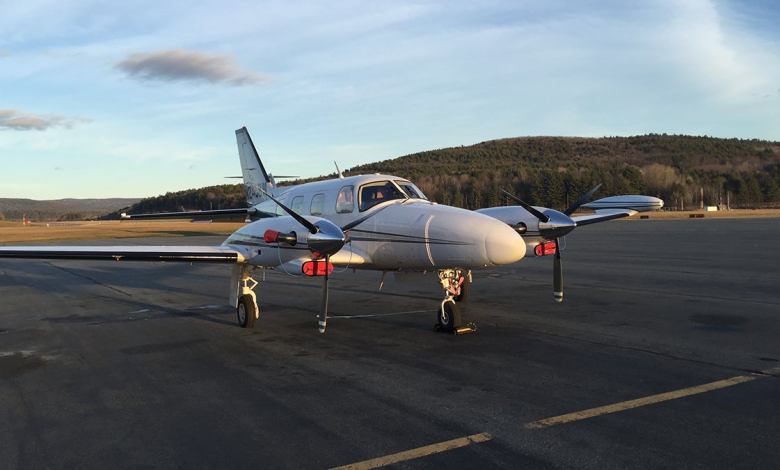
The day starts in Mansfield, Ohio by stuffing your Piper Arrow to its max gross weight. The plan is to stop for fuel at Queen City Municipal in Allentown, Pennsylvania on the way to Massachusetts. You load three other people, bags and as much fuel as weight permits-25 gallons. Meticulous flight planning shows 1.7 hours to get to KXLL, burning 9.2 gph. This leaves one hour of reserve, slightly buffering the legal minimum 45-minutes of 91.167(a)(3). And, youve diligently followed 91.103 as far as knowing all available information for the flight, including weather, runways and some backup airports should you need to stop en route.

Read More »

Weather Accidents #7

Flying brings pilots into all kinds of unexpected meteorological hazards. Normally we present you with introductory articles about these topics so you can understand what they are, where they occur, and how they work. But sometimes presenting an actual case study from NTSB reports really drives the point home. We see the hazard vividly from the perspective of those who faced this same sort of trouble. We can see actual data reconstructed from that day, challenging us to ask questions for, hopefully, a safer outcome for ourselves.

Read More »

On The Air: August 2018

At my home field in Farmindale, NY, (KFRG), one Sunday I was entering the pattern after a long trip. A student soloing in a Cessna 172 was in the pattern doing touch-and-goes. I heard the following exchange.Republic Tower: Cessna Two Six Seven Three Bravo, cleared for touch and go. Make right traffic and report the downwind.

Read More »

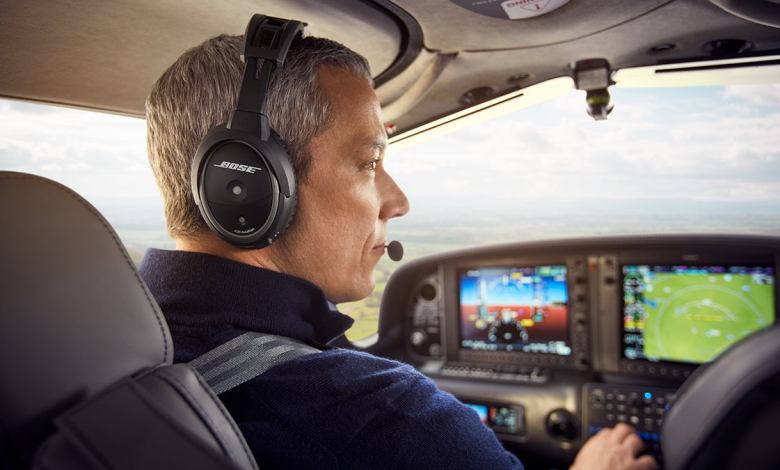
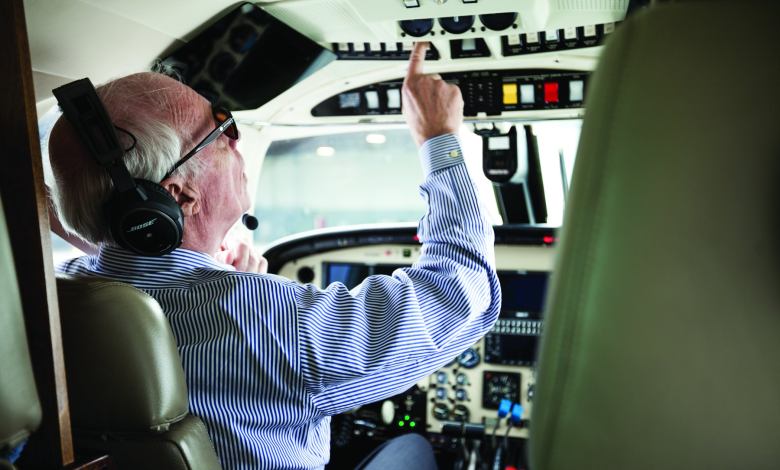
Why the Hearing Protection ANR Delivers is So Important

In the early days of airborne communications, earphones were created to make deciphering radio conversations for pilots easier above the roar of the engines and wind. Some of the first earphones crafted from hard Bakelite used no padding and were extremely uncomfortable to wear for long periods of time. Advances in acoustical research improved the wearing […]

Read More »

Memories of Interesting Airline Moments

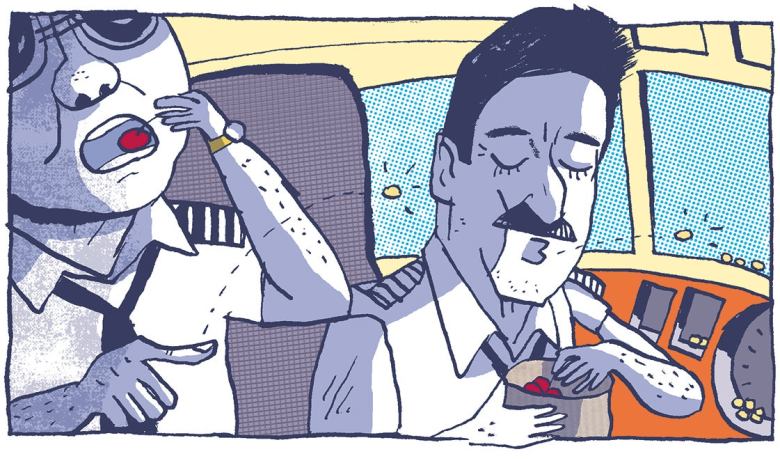
During a recent recurrent training period in our human factors class, the check airman instructor asked for a show of hands for those who had experienced an engine failure during their careers at the airline. The classroom consisted of about 30 well-seasoned pilots. Barely a quarter of the class raised their hands. The same question […]

Read More »

Comparing Two Remarkable Airplanes

OK, I’ve whined enough about the new jet. I’ve moaned about the speedbrake-spoiler failure that occurs every time I get above Flight Level 300; about the fact that I will have to pay Williams for 150 hours per year on the engine program even though I won’t fly that much; about the ridiculous wait to […]

Read More »

Readback: August 2018

Thank you for a great publication. It really helps knock some rust off. My question is for Tim Vasquez: Where did you get that chart shown on page 22 of the April issue?As a SPIFR EMS helicopter pilot, icing is my Achilles heel. Not only do I have the same problems as the fixed wing community-weight, reduction of lift etc.-but I also have asymmetric shedding that will tear the aircraft apart rather quickly. Also, as an EMS aircraft, my flights are not very long so I never get above about 3 to 4000 feet.

Read More »

Personal Minimums

Perhaps its my airline background, or perhaps Im just arrogant. But I would never think of planning an IFR flight unless I felt proficient enough to fly any reasonable approach all the way to published minimums. Sure, something might happen on the day of the flight or even on the way that might cause me to increase the margins a bit-and recognizing and reacting to that is a good thing-but planning to fly and simply excusing a lack of proficiency by increasing minimums seems to miss the point.

Read More »
Pilot in aircraft
Sign-up for newsletters & special offers!

Get the latest stories & special offers delivered directly to your inbox.

SUBSCRIBE