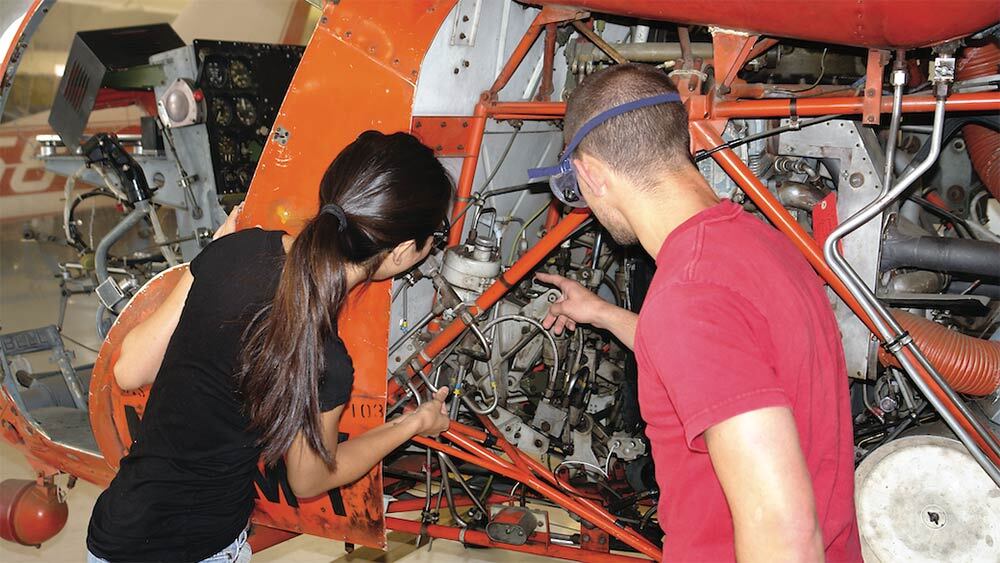
Aspiring aircraft mechanics can choose from three main training paths: apprenticeships, dedicated maintenance schools, or university programs offering aviation-related degrees.
When selecting a training institution, it's crucial to consider its reputation, how well it aligns with desired specializations, and the availability of resources like job partnerships or diverse training aircraft.
University degree programs offer distinct advantages, including comprehensive resources, exposure to a wider range of aircraft, and stronger industry connections, all contributing to a more marketable and well-founded career in aviation maintenance.
Picking the right training school to become an aircraft mechanic is crucial to starting your career off on the right foot.
High-quality training at different locations can ensure a good start to a long career. New mechanics must know not only the right information to pass a test but also gain a certain amount of intuitive experience to have a fulfilling long-term career.
CREATE A FREE ACCOUNT
Sign up to keep reading
Create a free account to continue. Already a member? Sign in below.
John McDermott is a student at Northwestern University. He is also a student pilot with hopes of flying for the airlines. A self-proclaimed ""avgeek,"" John will rave about aviation at length to whoever will listen, and he is keen to call out any airplane he sees, whether or not anyone around him cares about flying at all. John previously worked as a Journalist and Editor-In-Chief at Aeronautics Online Aviation News and Media. In his spare time, John enjoys running, photography, and watching planes approach Chicago O'Hare from over Lake Michigan.