













NTSB: Pilot Ignored Night Takeoff Warning in Fatal Catalina Crash

Incident unfolded after a flight instructor and two student pilots became stranded at the airport due to a magneto malfunction in their rental aircraft.

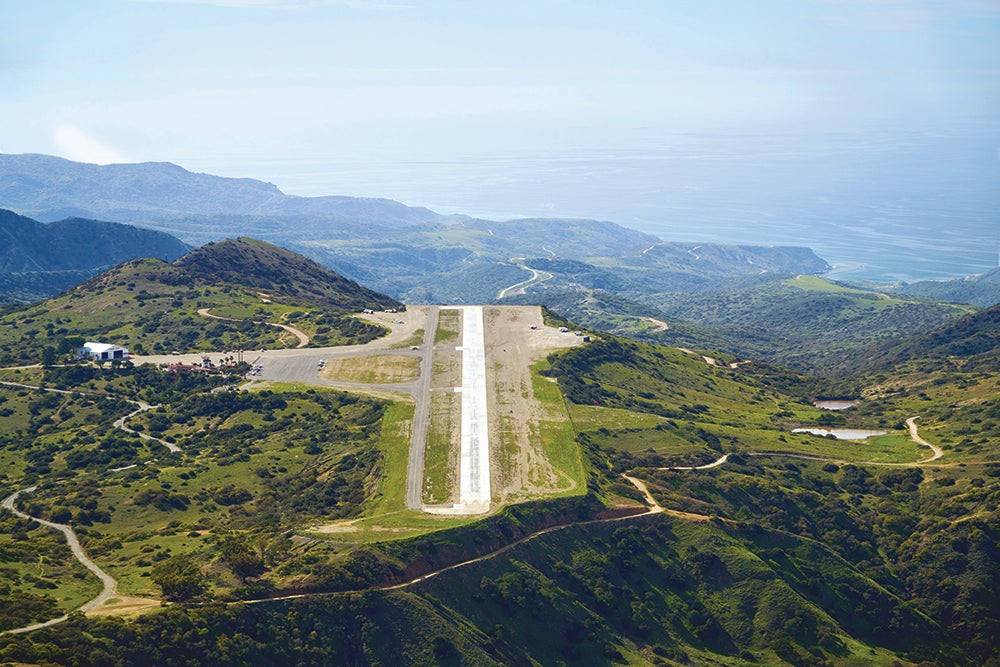
Catalina Airport (KAVX), also known as the Airport in the Sky. [Photo: Jeff Berlin]
Gemini Sparkle

Key Takeaways:

  • A fatal Beechcraft 95-B55 crash at Catalina Airport occurred after the pilot explicitly ignored multiple warnings against taking off after dark.
  • Catalina Airport lacks runway lighting and prohibits night operations; the airport manager had permitted landing after hours but stressed departure before sunset.
  • Despite mechanical issues causing a delay and repeated warnings about the unapproved night departure, the aircraft took off over two hours after sundown and crashed shortly thereafter.
  • The NTSB's preliminary report highlights the pilot's disregard for safety protocols, but the official cause of the crash remains under investigation.
See a mistake? Contact us.

Investigators released new details surrounding the fatal crash of a Beechcraft 95-B55 at Catalina Airport (KAVX) in California on October 8, revealing that the pilot ignored warnings about not taking off after dark.

The National Transportation Safety Board’s (NTSB) preliminary report states that the incident unfolded after a flight instructor and two student pilots became stranded at Catalina due to a magneto malfunction in their rental aircraft. They contacted the flight school, and another aircraft was dispatched from Santa Monica Municipal Airport (KSMO) to pick them up.


Catalina Airport, which operates from 8 a.m. to 5 p.m. PDT, has a single runway (4/22) but no runway lighting, and night operations are prohibited. The airport manager gave the pilot permission to land after closing hours, emphasizing that they needed to depart before sundown at 6:31 p.m.

According to the report, the pilots encountered additional trouble when the right engine failed to restart due to insufficient battery power. They attempted to recharge the battery, but the airport manager warned that departing after sunset would be unapproved, though he could not stop them.

The aircraft took off at around 8:04 p.m. from Runway 22 in dark conditions. Security video footage showed the plane descending shortly after takeoff, and ADS-B data suggested it may have become airborne around the runway’s midpoint, maintaining a low altitude until reaching the departure end.

The plane continued a slight descent, followed by a right turn, before the data ended about 0.6 miles west of the runway at an elevation of approximately 1,230 feet. The wreckage was found about 450 feet farther down a ravine, with the landing gear extended.

According to the NTSB, the cause of the crash remains under investigation.


Editor’s Note: This article first appeared on AVweb.

Amelia Walsh

Amelia Walsh is a private pilot who enjoys flying her family’s Columbia 350. She is based in Colorado and loves all things outdoors including skiing, hiking, and camping.

Ready to Sell Your Aircraft?

List your airplane on AircraftForSale.com and reach qualified buyers.

List Your Aircraft
AircraftForSale Logo | FLYING Logo
Pilot in aircraft
Sign-up for newsletters & special offers!

Get the latest stories & special offers delivered directly to your inbox.

SUBSCRIBE
