Learn to Fly: Turboprop Aircraft

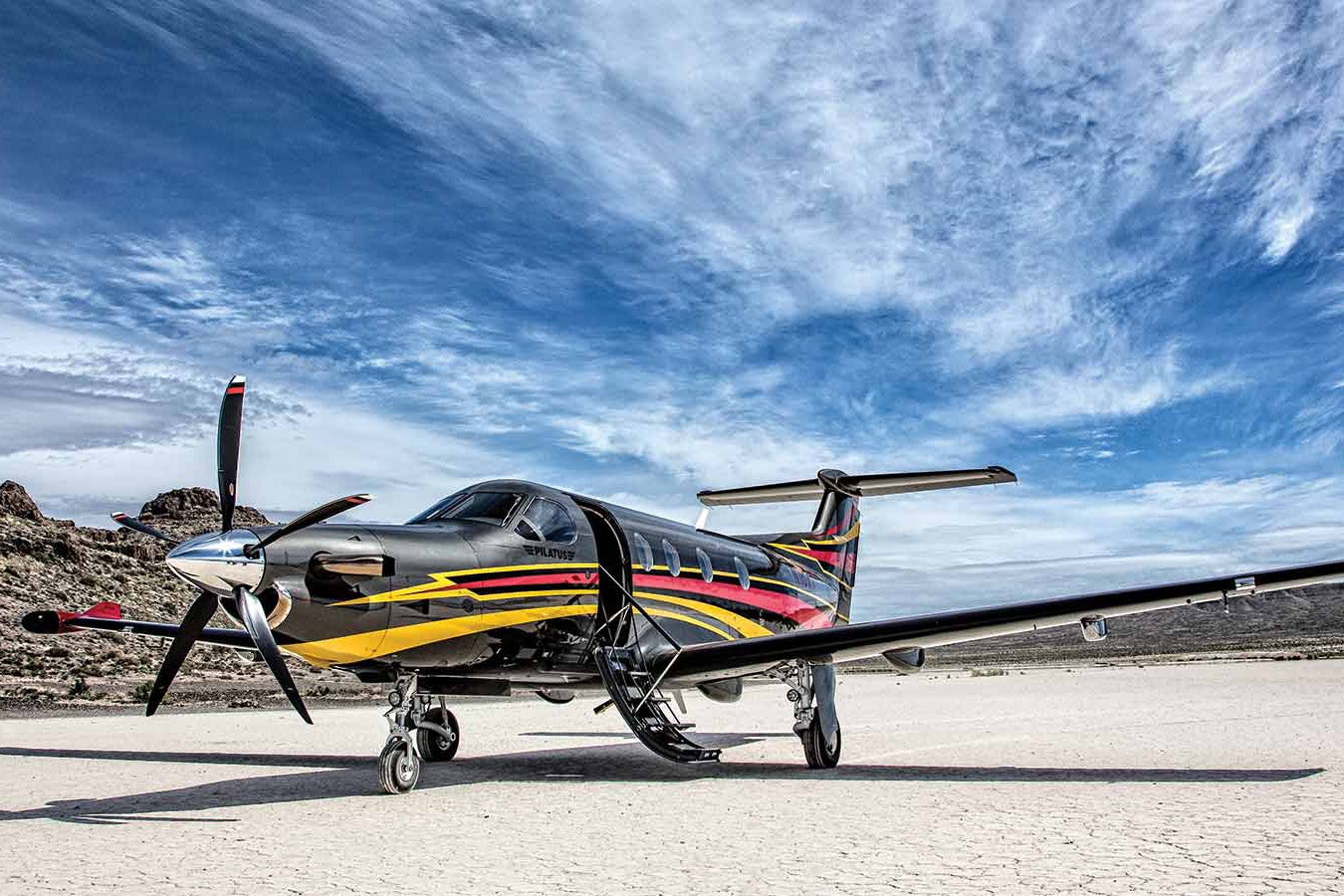
The Pilatus PC-12 represents a class of single-engine turboprops with great capability. Pilatus Aircraft
Gemini Sparkle

Key Takeaways:

  • Turboprop aircraft provide enhanced performance, safety, and mission capabilities, representing a significant upgrade from piston-powered airplanes.
  • Transitioning to single-engine turboprops is simpler but typically requires standardized type training for insurance and safety compliance.
  • Multi-engine turboprops offer greater redundancy and load capacity, but training is more complex, requiring a multi-engine rating and comprehensive type-specific instruction.
See a mistake? Contact us.

Learning to fly a turboprop aircraft takes you the next step up in your capability. Turboprop airplanes offer a number of performance and safety enhancements that allow you to fly a wide variety of missions not possible in piston-powered airplanes.

Single-engine turboprop airplanes make for the simplest transition, though you’ll probably need to complete a standardized type training course in order to meet insurance and safety requirements. These aircraft include the TBM 800 and 900 series, the Piper M500 or Meridian, the Pilatus PC-12, the Quest Kodiak, and the Cessna Caravan.

Multi-engine turboprops give the added redundancy, performance, and load-carrying capability of (most often) two engines, but add complexity to the training. You’ll need to obtain your multi-engine rating on whichever certificate you hold (private, commercial, or ATP), and complete type-specific training in a flight simulator and the airplane. Common twin turboprops include the King Air series, the Cessna 421, and the Turbo Commander.

Ready to Sell Your Aircraft?

List your airplane on AircraftForSale.com and reach qualified buyers.

List Your Aircraft
AircraftForSale Logo | FLYING Logo
Pilot in aircraft
Sign-up for newsletters & special offers!

Get the latest stories & special offers delivered directly to your inbox.

SUBSCRIBE