In Detention

I am a moderately experienced pilot, having amassed approximately 3500 hours over 30 years of flying. This occurrence is one Im not particularly proud of, but is instructive nonetheless. I was flying a PA-32-301T Saratoga to our home in Missoula, Mont. Fortunately I was alone; my wife might have decided right then and there to not fly with me in the future if she had been a passenger on this flight. I was over the valley, north of Bozeman. After reading a recent article in Aviation Safety discussing the pros and cons of the operation, I decided to run all the fuel from the right tank before switching to the left. As the last drops flowed from the right side, the engine coughed. I reached down and slammed the fuel selector to the left tank, hit the fuel pump and the engine died! I went through the emergence procedure by memory.

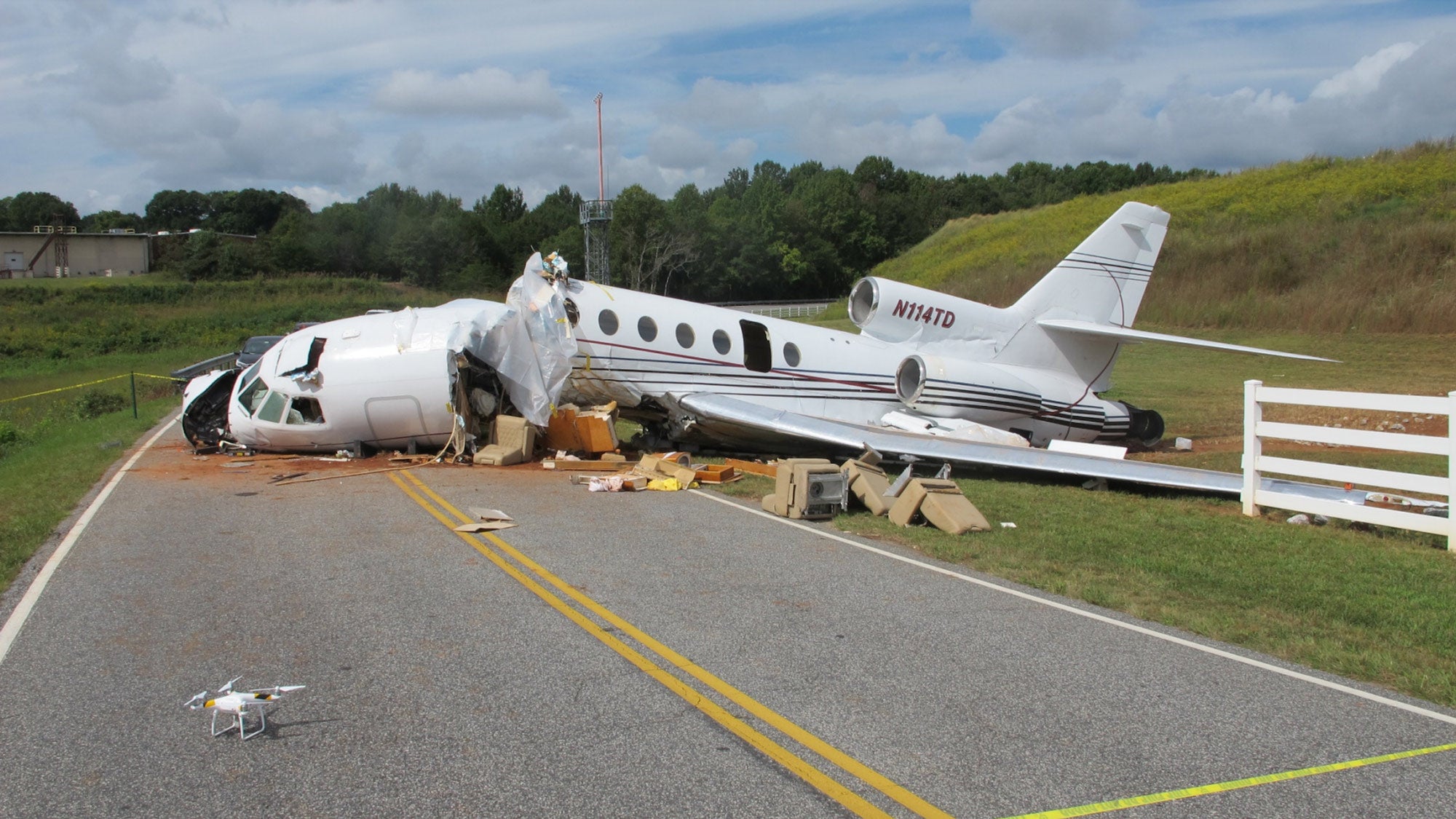
The Falcon 50 broke into two parts after leaving the runway. NTSB
Gemini Sparkle

Key Takeaways:

  • An experienced pilot inadvertently caused an engine failure by misoperating the fuel selector into a subtle detent between the "left tank" and "off" positions after attempting to run a fuel tank dry.
  • The incident highlights that even experienced pilots can make critical errors in fuel management, especially when trying new techniques or encountering non-"idiot-proof" fuel selector designs.
  • Key lessons include immediately reversing the last action during an engine failure, performing tank changes over friendly terrain, and thoroughly knowing the specific mechanics and potential quirks of one's aircraft fuel system.
  • The pilot learned that practicing new techniques like running a tank dry should be avoided in hazardous areas, and awareness of specific selector detents is crucial for safe operation.
See a mistake? Contact us.

I am a moderately experienced pilot, having amassed approximately 3500 hours over 30 years of flying. This occurrence is one Im not particularly proud of, but is instructive nonetheless.

I was flying a PA-32-301T Saratoga to our home in Missoula, Mont. Fortunately I

288

was alone; my wife might have decided right then and there to not fly with me in the future if she had been a passenger on this flight.

I was over the valley, north of Bozeman. After reading a recent article in Aviation Safety discussing the pros and cons of the operation, I decided to run all the fuel from the right tank before switching to the left.

As the last drops flowed from the right side, the engine coughed. I reached down and slammed the fuel selector to the left tank, hit the fuel pump and the engine died! I went through the emergence procedure by memory.

Highway 90 was below me, I established best glide speed and put the engine controls full forward, all to no avail. I was at 12,000 feet, so I had time. I got out the manual and read the emergency procedures; I had done them all. So lets start over! Look at the fuel selector, which as I said I slammed into the left tank position….

There is a small detent to the left of the left tank position between it and off position. Rectify that, the power returned instantly and I am on my way. The lessons I learned?

1. Immediately undo the last thing that you did: When your engine stops or anything else results in unforeseen consequences, change tanks when the engine quits.

2. It is a good policy, if possible, to change tanks over friendly terrain, near a suitable airport, a flat area, etc. Just in case.

3. Know your aircraft: If you are going to run a tank dry in a Saratoga, do the left one. That way, the urgent switch to the right tank is opposite from the “off” position.

4. Its probably not a good idea to practice new techniques like this in mountainous areas.

5. The detent between “left” and “off” is not “idiot-proof.”

Ready to Sell Your Aircraft?

List your airplane on AircraftForSale.com and reach qualified buyers.

List Your Aircraft
AircraftForSale Logo | FLYING Logo
Pilot in aircraft
Sign-up for newsletters & special offers!

Get the latest stories & special offers delivered directly to your inbox.

SUBSCRIBE