













Register

In A Hurry To Get Down

Gemini Sparkle

Key Takeaways:

  • Descending through "sucker holes" in an undercast is perilous due to unknown cloud base conditions, terrain hazards, and the risk of the hole closing, often leading to spatial disorientation.
  • To mitigate risks during an unavoidable descent through clouds, pilots should prioritize slowing down and deploying flaps/gear to stabilize the aircraft and prevent uncontrolled speed build-up or a "graveyard spiral."
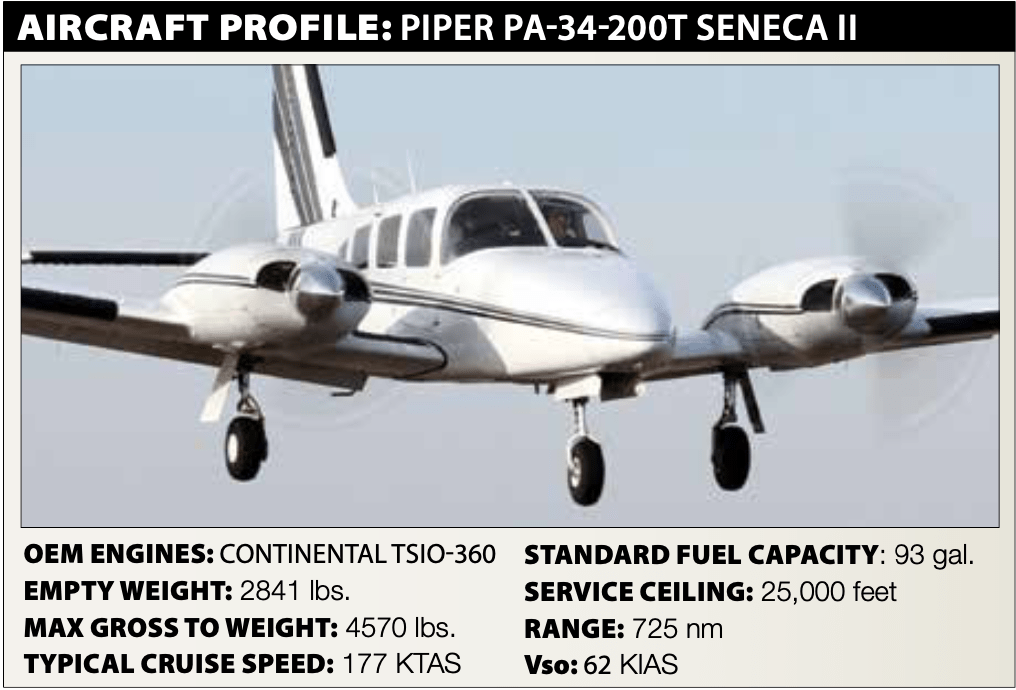
  • A fatal Piper Seneca II accident exemplified these dangers, where the pilot, impaired by a sedating antihistamine, experienced spatial disorientation during a cloud descent, resulting in an uncontrolled spiral, overstress, and in-flight breakup.
See a mistake? Contact us.

Fly long enough, and you’ll eventually find yourself on top of a broken or solid undercast, wanting to be beneath it. To get there, you either need to obtain an instrument clearance, find a hole, wait for one to appear or divert, perhaps far out of your way, to an area with better weather. If your destination is reporting good VFR underneath the clouds and you can’t get an IFR clearance to descend, it’s very tempting to find a hole and pull the plug, descending to visual conditions.

But here be dragons. For one, it’s impossible to know the exact height of the cloud bases, and therefore how much moderately clear air will be under and around you at the bottom. Another concern is the terrain, and you could come out the bottom of the hole in a box canyon, with no maneuvering room. A third concern is that the hole can close up around you during your descent, leaving you with nothing but poor choices. That’s one reason they’re called “sucker holes.”


Ready to Sell Your Aircraft?

List your airplane on AircraftForSale.com and reach qualified buyers.

List Your Aircraft
AircraftForSale Logo | FLYING Logo
Pilot in aircraft
Sign-up for newsletters & special offers!

Get the latest stories & special offers delivered directly to your inbox.

SUBSCRIBE