IFR Magazine

Its Raining Regs

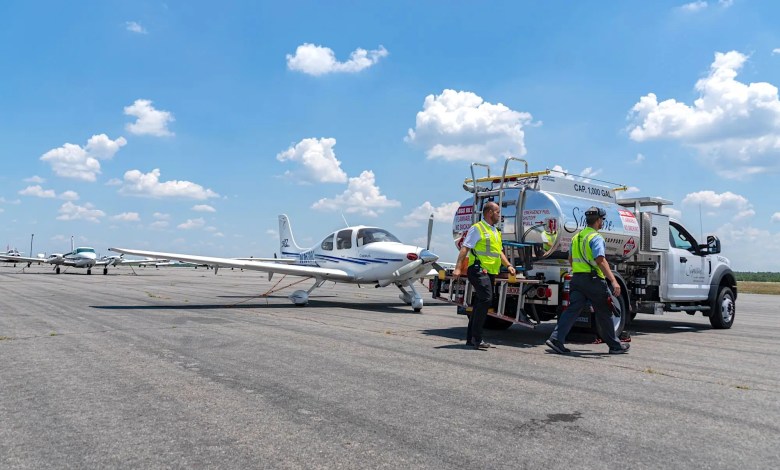
The day starts in Mansfield, Ohio by stuffing your Piper Arrow to its max gross weight. The plan is to stop for fuel at Queen City Municipal in Allentown, Pennsylvania on the way to Massachusetts. You load three other people, bags and as much fuel as weight permits-25 gallons. Meticulous flight planning shows 1.7 hours to get to KXLL, burning 9.2 gph. This leaves one hour of reserve, slightly buffering the legal minimum 45-minutes of 91.167(a)(3). And, youve diligently followed 91.103 as far as knowing all available information for the flight, including weather, runways and some backup airports should you need to stop en route.

Read More »

Weather Accidents #7

Flying brings pilots into all kinds of unexpected meteorological hazards. Normally we present you with introductory articles about these topics so you can understand what they are, where they occur, and how they work. But sometimes presenting an actual case study from NTSB reports really drives the point home. We see the hazard vividly from the perspective of those who faced this same sort of trouble. We can see actual data reconstructed from that day, challenging us to ask questions for, hopefully, a safer outcome for ourselves.

Read More »

On The Air: August 2018

At my home field in Farmindale, NY, (KFRG), one Sunday I was entering the pattern after a long trip. A student soloing in a Cessna 172 was in the pattern doing touch-and-goes. I heard the following exchange.Republic Tower: Cessna Two Six Seven Three Bravo, cleared for touch and go. Make right traffic and report the downwind.

Read More »

Readback: August 2018

Thank you for a great publication. It really helps knock some rust off. My question is for Tim Vasquez: Where did you get that chart shown on page 22 of the April issue?As a SPIFR EMS helicopter pilot, icing is my Achilles heel. Not only do I have the same problems as the fixed wing community-weight, reduction of lift etc.-but I also have asymmetric shedding that will tear the aircraft apart rather quickly. Also, as an EMS aircraft, my flights are not very long so I never get above about 3 to 4000 feet.

Read More »

Autopilot Basics

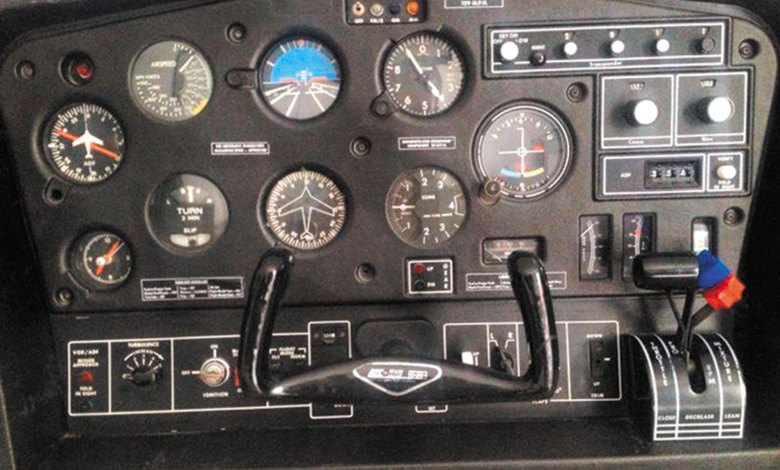
As you enter a bank, the attitude indicator shows it immediately, but it takes a moment for a turn to show on the turn gyro. Try it. You dont even have to look at the instruments. Sharply roll into, say, about a 30-degree bank. Your nose is most likely still pointing in the same direction it was before the roll. Then, the plane starts to turn. This is why its more difficult to maintain a heading on instruments without an attitude gyro, just using the turn gyro.

Read More »

Briefing: July 2018

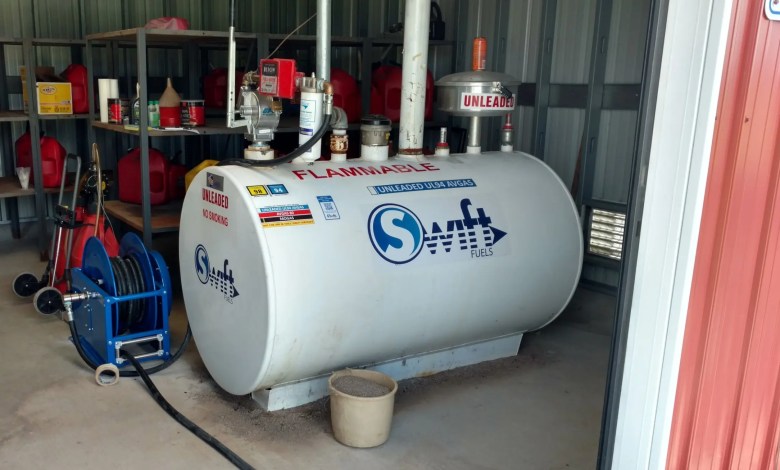
In June, the FAA put on hold its flight testing for the Piston Aviation Fuels Initiative (PAFI) unleaded 100LL replacement fuels program. The FAA said it would assess issues related to the differences between the two PAFI fuels and 100LL. Both fuel producers, Shell and Swift, are currently evaluating options to mitigate the impacts that these differences will present in fuel production, distribution, and operation in the GA fleet, said the FAA. The FAA also said it will also assess alternative fuels developed outside the PAFI program. Meanwhile, General Aviation Modifications Inc. (GAMI) said its close to completing testing on its own 100-octane unleaded fuel. GAMI sidestepped PAFI in favor of a more streamlined STC approval process.

Read More »

Personal Minimums

Perhaps its my airline background, or perhaps Im just arrogant. But I would never think of planning an IFR flight unless I felt proficient enough to fly any reasonable approach all the way to published minimums. Sure, something might happen on the day of the flight or even on the way that might cause me to increase the margins a bit-and recognizing and reacting to that is a good thing-but planning to fly and simply excusing a lack of proficiency by increasing minimums seems to miss the point.

Read More »

Download the Full July 2018 Issue PDF

The Saratoga suddenly requested a climb. He was getting knocked around by turbulence in the cloud bases. Unfortunately, there was nothing I could do at that moment. Passing 1000 feet directly over him-my minimum vertical separation-were a string of climbing airliners. I couldnt bend the jets away from him, as I had another line of descending jets ten miles west of them. It would be an impromptu air show.

Read More »
Pilot in aircraft
Sign-up for newsletters & special offers!

Get the latest stories & special offers delivered directly to your inbox.

SUBSCRIBE