Download The Full May 2019 Issue PDF
- Three IFR Curveballs
- Cockpit Stress
- Disorientation
- Nationwide Roaming
- Cockpit Comms
Click the preview image below to take our new and improved Killer Quiz from IFR Magazine!
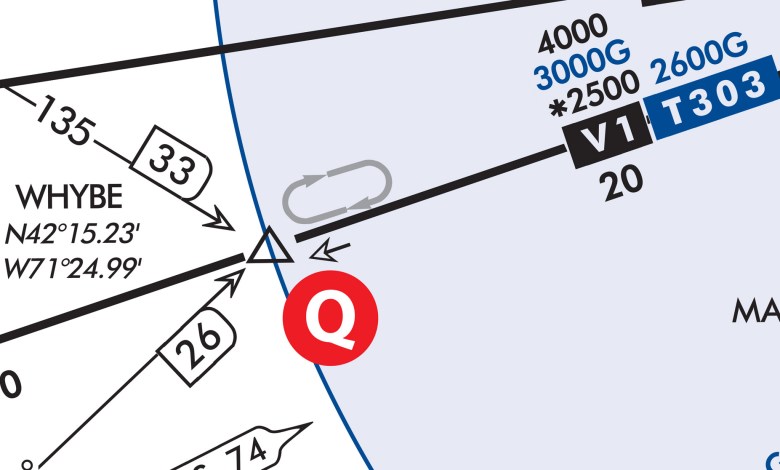
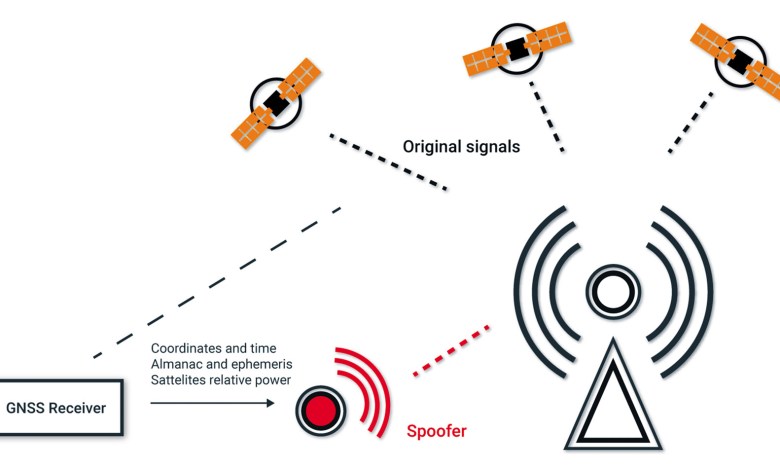
Various government agencies think its necessary to potentially render GPS useless throughout hundreds of square miles of the NAS nearly every single day. We who live in the West have experienced this for years. From my home in Santa Fe, NM, I get at least one, sometimes a few, notices of nearby GPS outages every week. But, more recently, those of you in the East have begun to feel more of the same pain.
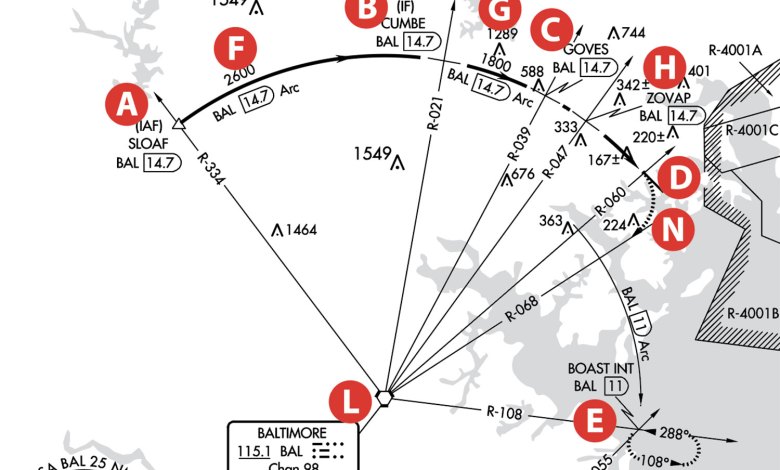
Naturally, you want blue skies and full sun to get the most out of such a trip. Theres usually no issue with that, but the Gulf region and Florida Keys have their share of showers and thunderstorms. Hurricanes and tropical storms not withstanding, weather here is dynamic, so youre going to start familiarizing yourself with this new territory early. Little do you know that its the mapping, not the weather, that will catch you by surprise.
One of simulations greatest strengths is flying parts of the world where you might never make it in person. Alaska calls to the hearts of many a pilot, so well take you there today. Nothing too strenuous: Just a jaunt from Anchorage (PANC) down south to Seward (PAWD) on the ocean and then over to Kenai (PAEN) on Cook Inlet. Yeah, ICAO Alaskan airports start with a P not a K. Hmm… if you put the I-meaning you-in PANC you get Panic. Coincidence?
One Sunday morning my home airport was forecast to have low clouds and drizzle until around 10 a.m., when the rain would stop. I got an early start to the airport to do some approaches before the clouds lifted. I check in with my sister on Sunday mornings, so this day I called her on my way to the airport. She knows that when I call early it usually means Im going flying.
A fter a record winter where temperatures fell below -30 degrees F in some parts of the Midwest, its hard to believe summer is approaching again. That means a rapid increase in thunderstorm activity across the country. In this issue our goal is to help you not only understand the parts of a storm but also whats going on underneath the hood and what it means for the forecast. The information also might help save your bacon when things go downhill unexpectedly and all the data you have is whats out the window.
Boeing took the first steps to get its 737 MAX aircraft back in the air in March with a software update to reduce the influence of an automated pitch control system and reduce the chances that it will trigger spuriously. The focus of the update is the Maneuvering Characteristics Augmentation System, which was chiefly designed to counter the MAXs tendency to pitch up at high angles of attack while being hand flown and push the nose over in the case of an impending stall. In the original design, MCAS used data from one of two angle of attack indicators to determine the deflection angle of the horizontal stabilizer. Its believed faulty data from an AOA played a role in the fatal crashes of a Lion Air MAX 8 last October and an Ethiopian Airlines MAX 8 in March. The new software is reported to draw data from both AOAs and limit the MCAS to moving the tail feathers only once, instead of repeatedly countering pilot inputs. Implementation of the software was expected in April after FAA review.
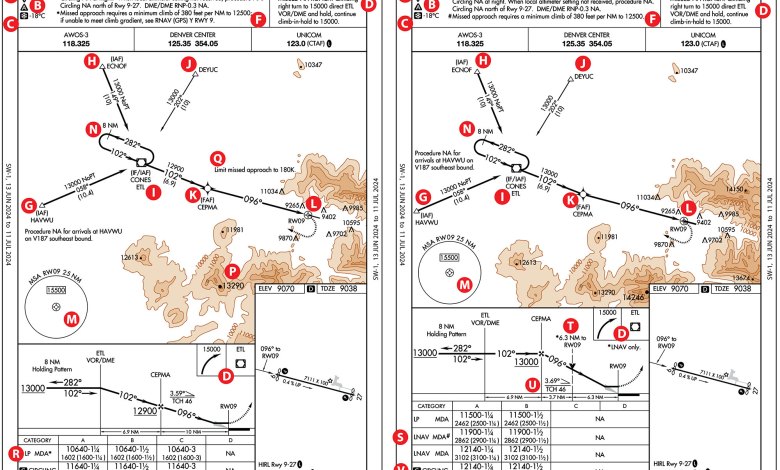
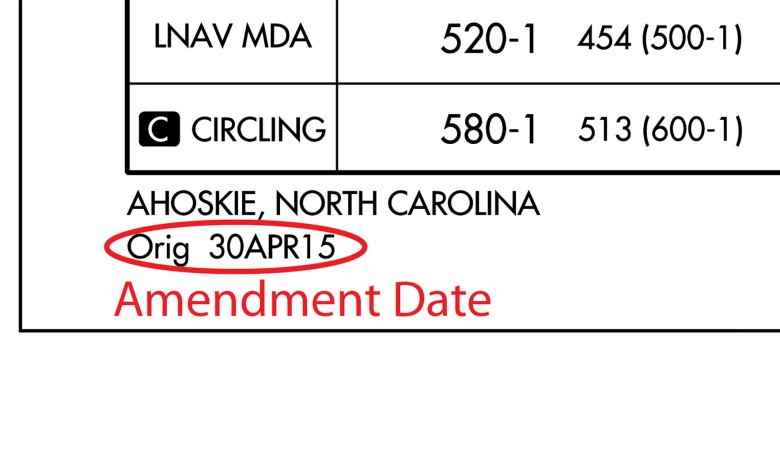
Your home field is non-towered, and the AWOS says the winds are fierce out of the west. If it was VFR, Runway 27 would rock. However, theres nasty precipitation starting five miles east of the airport. The RNAV 27 approach would drive you right through it. Youve already been beaten up enough for one day. Instead, the reported 800 foot ceiling inspires you request an RNAV approach to Runway 36 with a circle to Runway 27. The circling mins are 600 feet for your aircraft category. Youll stay close to the airport and once you get underneath, you can bring it around to land into the wind on 27.
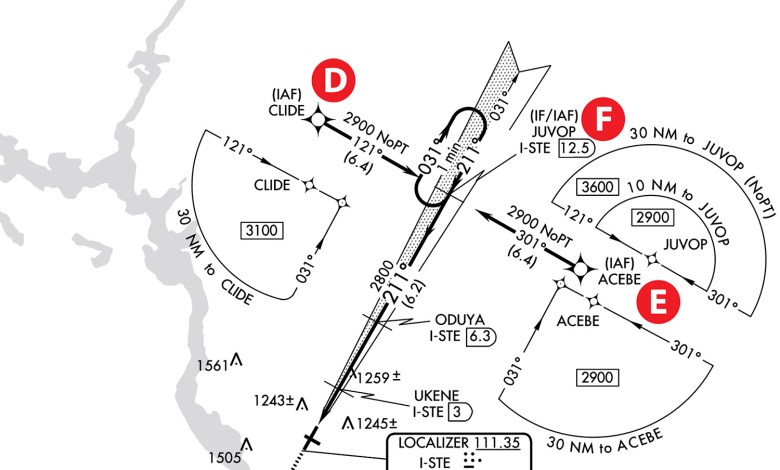
Operations take place daily in uncontrolled airspace. Paynesville, MN (KPEX) is a typical non-towered airport with the familiar vignette depicting Class E beginning at 700 feet AGL. Departing Paynesville, any time we spend in the clouds below the Class E floor is IFR in uncontrolled airspace. Of course, as you should recall, lacking that magenta vignette, the 700-foot limit becomes 1200 feet. Instrument approaches begin with an ATC clearance in controlled airspace, but often take us into uncontrolled Class G airspace. At Paynesville, the RNAV (GPS) RWY 11 approach LPV mins take us to 200 feet AGL, 500 feet into the surface Class G airspace.