IFR Magazine

Old Vs. New ILS

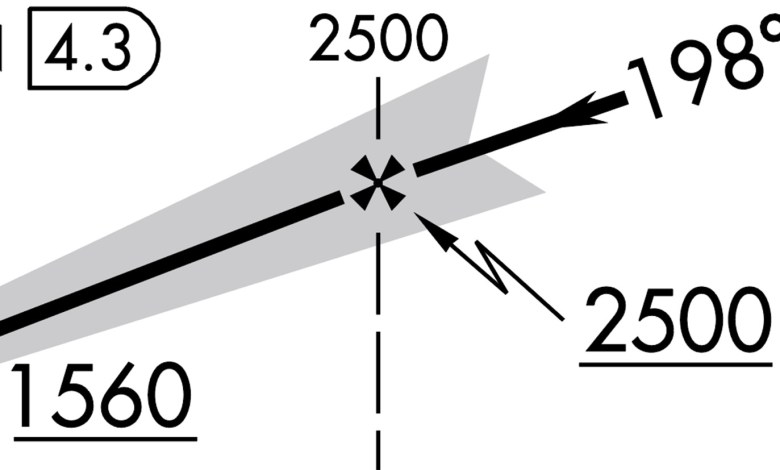
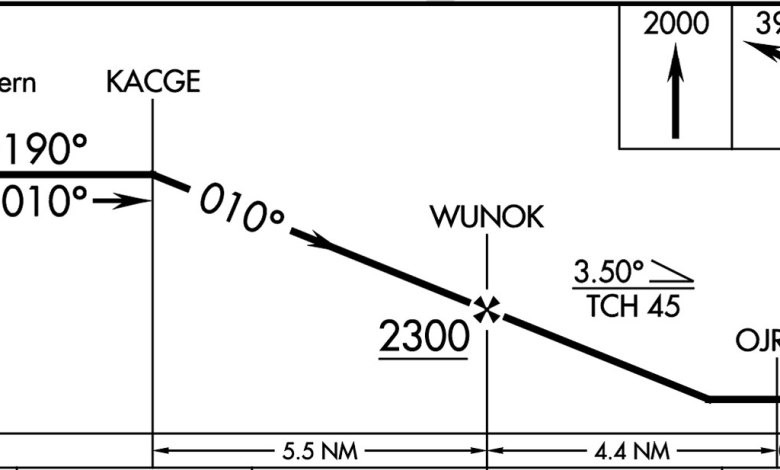
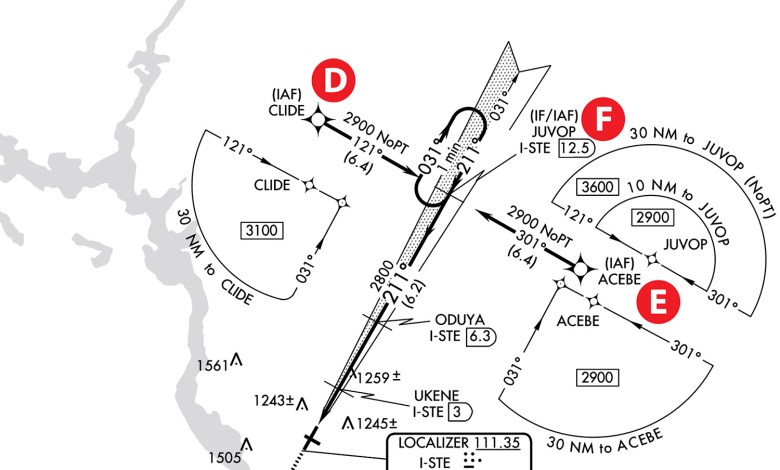
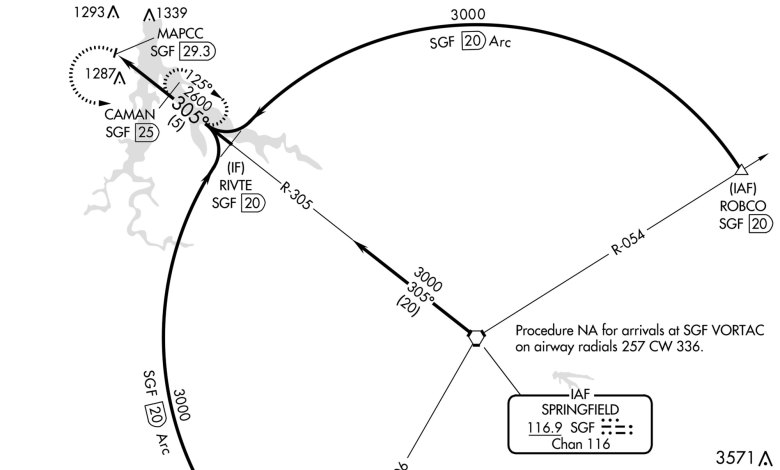
When I first saw the approach chart for the ILS Y or LOC Y RWY 3 at Raleigh Executive Jetport at Sanford-Lee County, South Carolina (KTTA), I thought I was seeing something unusual. I was. It’s an ILS approach with a Terminal Arrival Area (TAA). Yes, these are possible and we’re starting to see more, […]

Read More »

Quiz: June 2021

In a recent hangar session with a group of instructors, we discussed common weaknesses seen in IPCs. This quiz is the result of our collective experience.   

Read More »

In The Zone

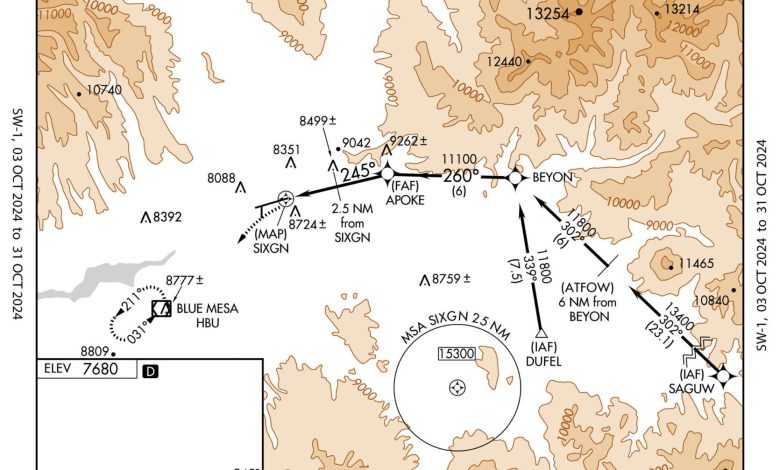
Thanks to some typical spring weather in the air, it’s cloudy, hazy, and breezy at Chadron Muni, Nebraska. But you’re well briefed on what to expect while flying the RNAV (GPS) RWY 21 approach procedure. Given the conditions and this being a new destination for you, it turned out to be a smart move to […]

Read More »

On The Air: June 2021

Controllers at New York TRACON are known for being all business and taking no prisoners. Likewise, “unable, remain on the airway,” is the typical reply to a request for a shortcut. I was about 80 miles from my destination, on the preferred routing, which involves a couple of victor routes and passage through two more […]

Read More »

NA At Night

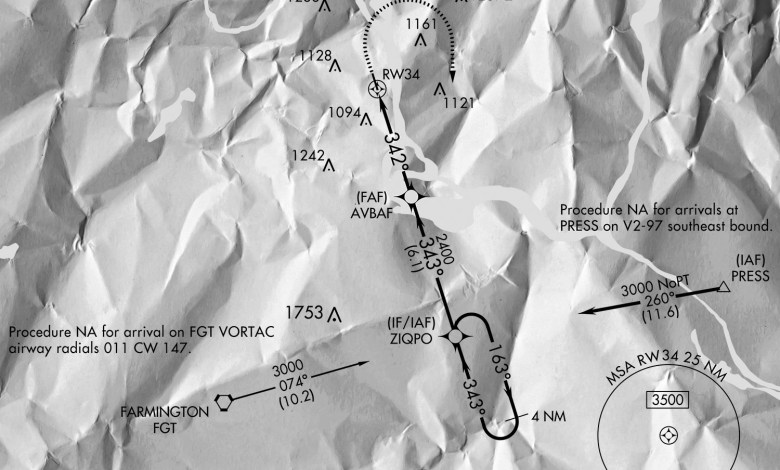
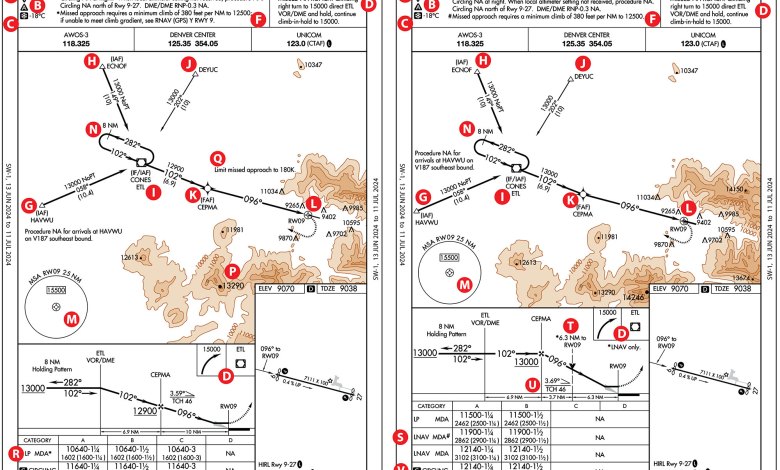
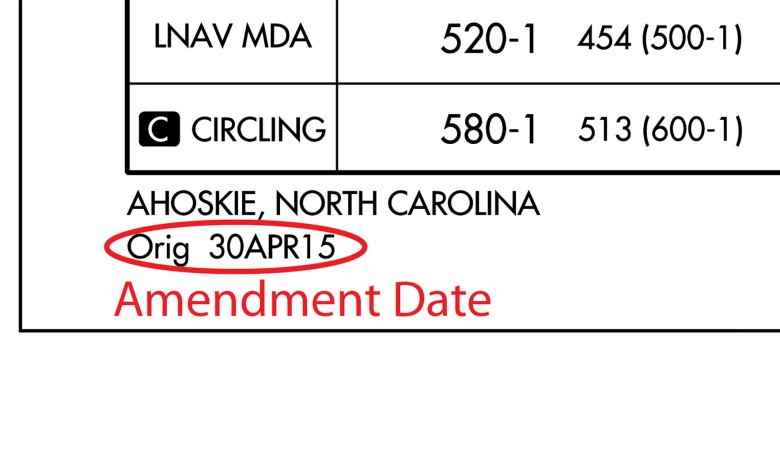
You planned this getaway weekend to Wise County, Virginia months ago. A cabin is ready. A rental car awaits you when you land at Lonesome Pine airport (KLNP). It’s good to be instrument rated. The reported ceilings are comfortably high at 1500 AGL. It’s nice to have the protection of an instrument approach when going […]

Read More »

Readback: June 2021

Oxygen If You’re Tired? I enjoyed Victor Vogel’s “Managing Fatigue” in your April issue. I have asked many people and read many articles. No one has ever said, “Why yes, supplemental oxygen will help keep you wide awake.” This has included AME’s, IFR instructors, et. al. Is there an FAA rule against saying that? Or […]

Read More »

Briefing: June 2021

APPS BETTER THAN FLIGHT SERVICE The FAA says pilots are better off getting preflight information electronically than from Flight Service briefers. Updated guidance on preflight information gathering in the new AC 91-92, says, “By self-briefing, pilots can often improve their knowledge of weather and aeronautical information,” and “Flight Service personnel are available should a pilot […]

Read More »

Remarks: Consistency

There are a few reasons airlines are safer than general aviation. Now, airline pilots commonly fly at least 50 to 80 hours a month or more. Of course, mere frequency doesn’t necessarily make one better at performing a task, but that frequency when coupled with rigorous performance and a desire to improve one’s skill does. […]

Read More »
Pilot in aircraft
Sign-up for newsletters & special offers!

Get the latest stories & special offers delivered directly to your inbox.

SUBSCRIBE