











It doesn’t much matter whether Boeing intended to set off a revolution in cockpit instrumentation when it delivered the first 767 in the early 1980s. That, of course, was the result when the new jetliner unleashed the first computerized cockpit displays destined to forever change the way pilots control and navigate aircraft. The new instrumentation quickly came to be called the glass cockpit.
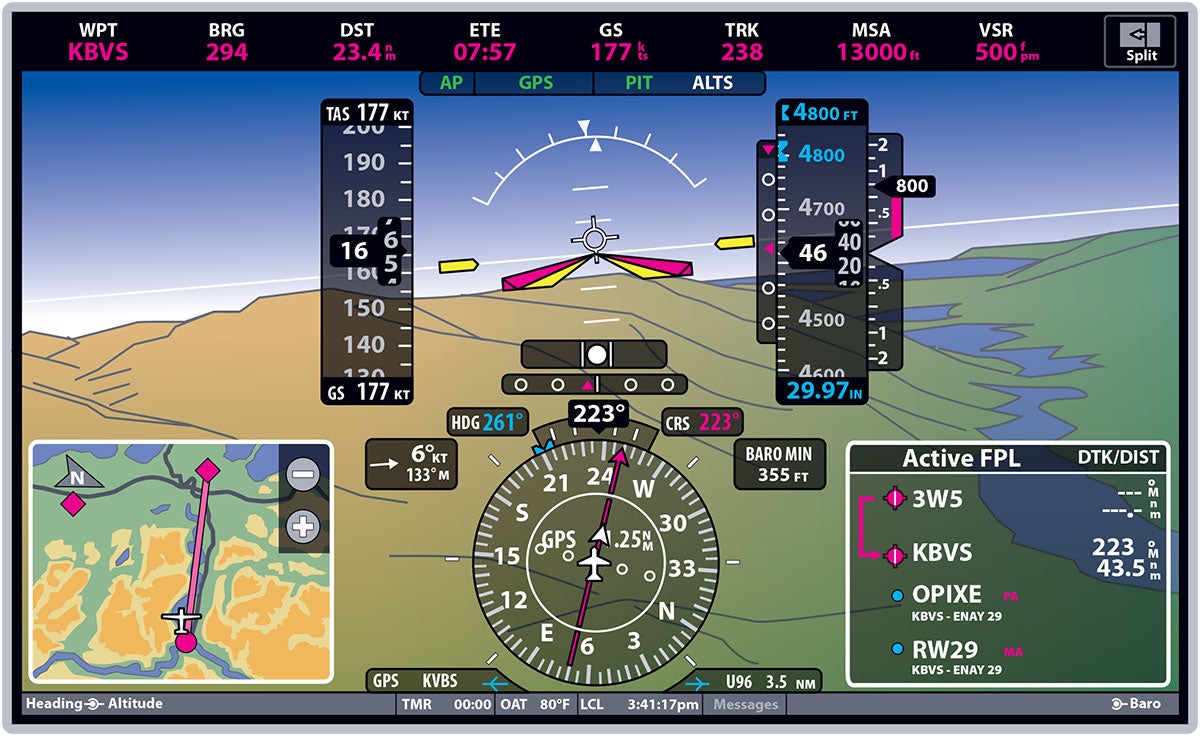
How a Primary Flight Display Works

Key Takeaways:
- The glass cockpit, introduced by the Boeing 767 in the 1980s, revolutionized aircraft instrumentation by replacing traditional analog gauges with computerized, color graphical displays (Primary Flight Displays and Multifunction Displays).
- These systems provide precisely organized digital information, colorized symbology, and integrated navigation data, while being highly reliable due to fewer moving parts.
- Glass cockpits significantly reduce pilot workload and the need for constant instrument scanning, making flight information easier to interpret and profoundly changing pilot training.
Key takeaways sponsored by Aviator Pro | Start Your Training ->
See a mistake? Contact us.

