













Register

How High Will It Go?

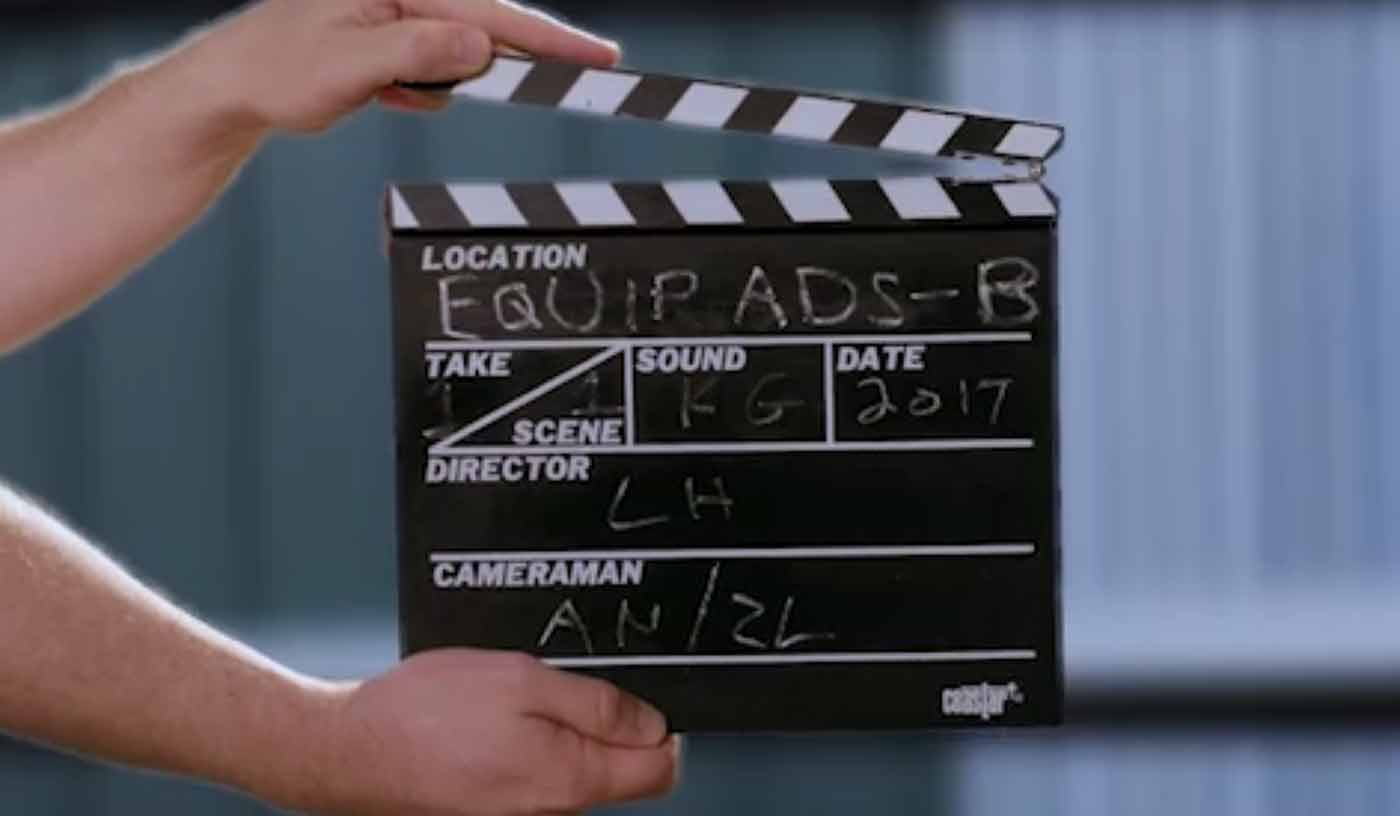
The FAA's Equip 2020 Team is hosting a live Twitter chat to address general aviation questions and concerns over the deadline for ADS-B. FAA
Gemini Sparkle

Key Takeaways:

  • The NTSB determined the probable cause of the accident was the instructor's decision to conduct a visual flight rules (VFR) flight into instrument meteorological conditions (IMC) with a known flight instrument anomaly, leading to spatial disorientation and loss of airplane control.
  • Operating at altitudes up to 19,400 feet without supplemental oxygen was a significant contributing factor, leading to hypoxia which degraded the instructor's airplane control and decision-making abilities.
  • Further contributing factors included the instructor's lack of recent instrument flight experience, failure to obtain a preflight weather briefing or file a flight plan, and a history of regulatory non-compliance.
See a mistake? Contact us.

I’m a firm believer in using supplemental oxygen; there’s a portable O2 tank in my airplane right now. For a variety of reasons, I usually go on oxygen when I’m going to be at 10,000 feet or higher for any length of time. I typically fly long legs, and when I use oxygen, I’m not as fatigued as I might have been after the same amount of time at, say, 7500 feet. But higher usually is better for long flights, and O2 is part of my plan. 

And there really needs to be a plan for any flight out of the local area. With the tools we have these days, there’s no excuse not to get a full preflight briefing, even if you don’t read or understand it. If you don’t get one before launching on a three-plus-hour flight with passengers, you’re not treating the situation or the passengers with respect.


Ready to Sell Your Aircraft?

List your airplane on AircraftForSale.com and reach qualified buyers.

List Your Aircraft
AircraftForSale Logo | FLYING Logo
Pilot in aircraft
Sign-up for newsletters & special offers!

Get the latest stories & special offers delivered directly to your inbox.

SUBSCRIBE